




What is Intuitive Eating, Really?
First, let's clear the air. Intuitive eating is not a diet. It's the anti-diet. Coined in the 1990s by dietitians Evelyn Tribole and Elyse Resch, it’s a framework designed to help you heal your relationship with food. The core idea is simple: reject the diet mentality
that tells you what, when, and how much to eat. Instead, you learn to listen to your own body. It’s about honouring your hunger, feeling your fullness, and making peace with all foods. There are no 'good' or 'bad' foods, only choices that make you feel good physically and mentally. It encourages you to tune into your body’s natural hunger cues and cravings, trusting it to tell you what it needs without guilt or complex calorie-counting apps.
The Desi Wisdom We Forgot
This might sound revolutionary, but for many of us, it’s deeply familiar. Think about it. Our grandparents didn't follow fad diets; they followed seasons. Their plates changed with the weather. They ate what the land offered, and their bodies were attuned to it. This is the essence of Ritucharya, the ancient Ayurvedic practice of living and eating in sync with the seasons. They ate cooling cucumbers and melons in the summer, immunity-boosting ginger during the monsoons, and warming bajra and ghee in the winter. This wasn’t a 'lifestyle choice'; it was just life. By applying a seasonal Desi lens to intuitive eating, we’re not just adopting a trend; we’re reclaiming a powerful piece of our own heritage.
Tuning In: The Summer Season
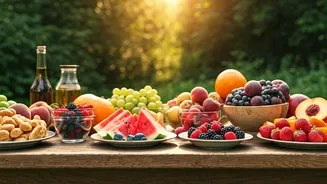
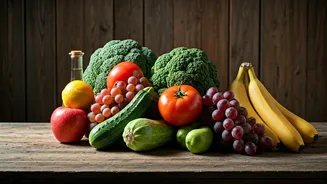
When the summer heat beats down, what does your body crave? Likely not a heavy, oily curry. It craves hydration and coolness. This is your body’s intuition at work. Aligning with it is simple. Think hydrating fruits like watermelon, muskmelon, and juicy mangoes. Incorporate cooling vegetables like cucumber, lauki (bottle gourd), and tori (ridge gourd) into your meals. A glass of refreshing buttermilk (chaas) or nimbu pani is far more satisfying than a fizzy drink. These foods are not just 'light'; they are packed with water and electrolytes to help your body combat the heat. A simple dal with rice and a side of cucumber salad is a perfect intuitive summer meal—it’s what our bodies naturally ask for.
Navigating the Monsoon Cravings
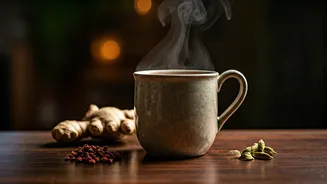
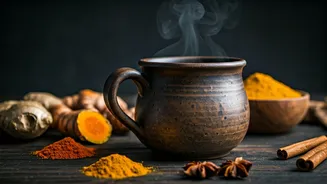
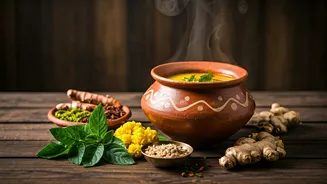
The arrival of monsoon brings relief, but also a spike in humidity and water-borne illnesses. Your body’s intuition often shifts towards warm, comforting, and immunity-boosting foods. This is the season for hot bowls of soup, khichdi with a dollop of ghee, and cups of adrak wali chai. Cravings for fried snacks like pakoras are also common. Intuitive eating says: don't forbid them. Have them, enjoy them mindfully, and notice how you feel. The key is balance. Our ancestors knew to incorporate warming and digestive spices like turmeric, ginger, and black pepper to counteract the dampness of the season. They also advised against consuming too many leafy green vegetables during this time, as they could harbor germs in the moist weather—a practical piece of wisdom that aligns perfectly with staying healthy.
Winter Warmth on Your Plate
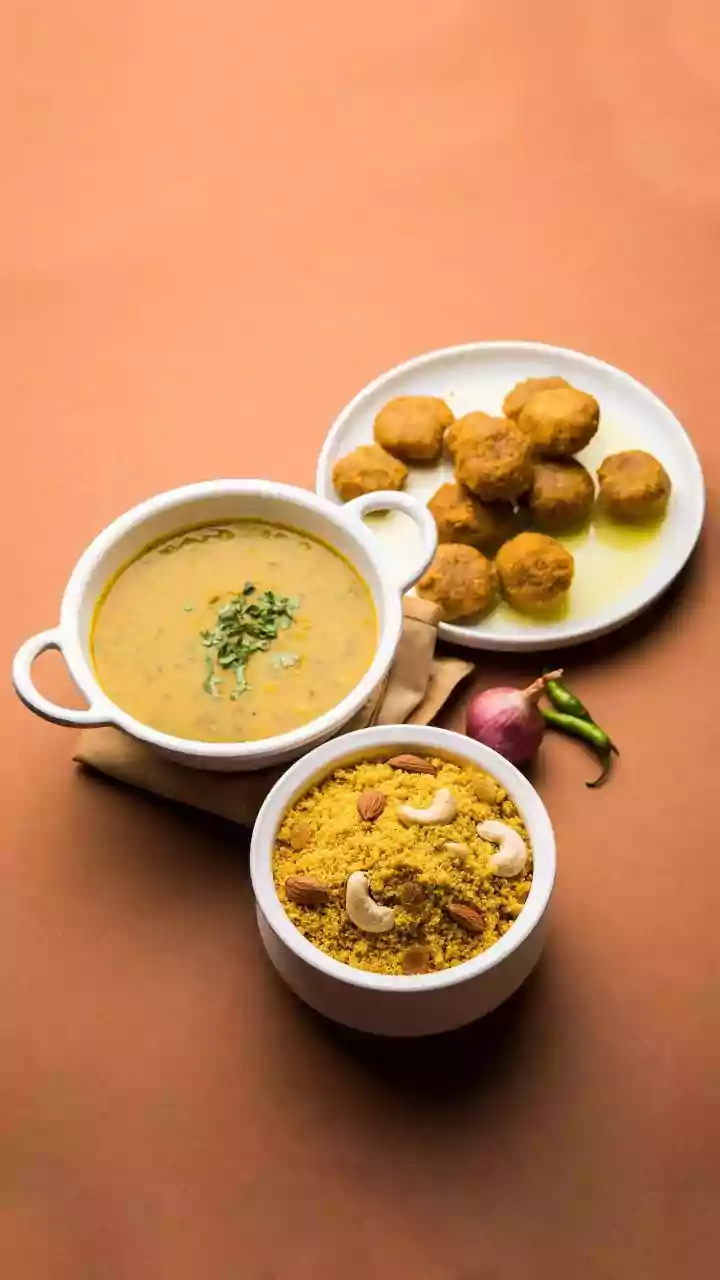
As temperatures drop, the body’s metabolic rate increases to stay warm, leading to a natural desire for denser, more nourishing foods. This is the time for wholesome, energy-rich meals. Think bajra ki roti with white butter, sarson ka saag topped with ghee, and hearty dals made from lentils that have been harvested in the preceding months. Root vegetables like carrots, radishes, and sweet potatoes are at their peak, offering grounding and nutrient-dense options. Even the traditional gajar ka halwa or panjiri, often seen as 'indulgent', serve a purpose. They are made with ghee, nuts, and seasonal produce that provide the exact kind of warmth and energy our bodies need to thrive in the cold. It’s not an indulgence; it's seasonal intelligence.
How to Start Your Journey
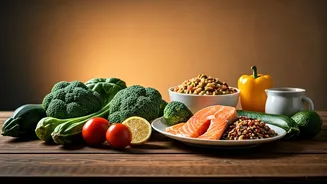
Beginning this journey doesn't require a complete overhaul. Start small. The next time you go grocery shopping, visit the local sabzi mandi and see what's fresh and abundant—that's what's in season. Pick one meal a day where you try to eat without distractions like your phone or TV. Pay attention to the taste, texture, and how the food makes you feel. Ask yourself, 'Am I actually hungry?' before reaching for a snack. And most importantly, be kind to yourself. There will be days you eat past fullness or choose convenience over a seasonal meal. That's okay. This isn't about perfection; it's about connection.