


The Hidden Danger in the Downpour
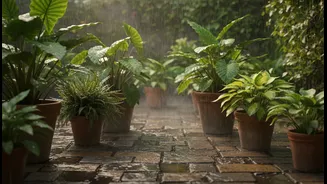
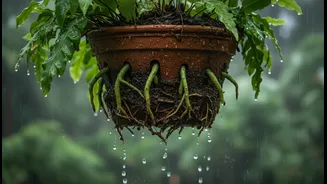
While rain feels like a blessing, for a plant in a hanging basket, it can be a curse. Unlike plants in the ground, hanging baskets have a limited volume of soil and are completely dependent on their drainage holes to get rid of excess water. During prolonged
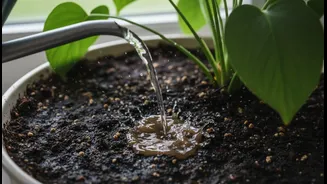
monsoon showers, this soil can become completely saturated, a condition known as waterlogging. The primary danger is root rot. Plant roots need oxygen to survive, which they get from air pockets in the soil. When these pockets are filled with water for days on end, the roots effectively suffocate and begin to die. This creates an inviting environment for fungal diseases, which thrive in damp, low-oxygen conditions. The result is a plant that looks droopy and sick, even though it's surrounded by water.
Step 1: The All-Important Lift
The first and simplest diagnostic tool you have is weight. Make it a habit to gently lift your hanging baskets every day or two, especially after a heavy downpour. A well-watered but properly drained basket will feel moist and have some heft. A waterlogged basket, however, will feel unusually and alarmingly heavy. This weight is a direct indicator that the soil is holding far too much water and the drainage system is failing or overwhelmed. Don’t rely on the appearance of the topsoil alone; it can be misleading. A quick lift tells you the true story of what's happening at the root level, allowing you to act before the signs of distress, like yellowing leaves, become obvious.
Step 2: A Thorough Visual and Physical Check
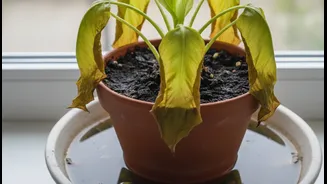
Beyond just lifting, a regular check-up is crucial. Your eyes and fingers are your best friends here. First, look at the leaves. Are the lower leaves turning yellow or brown? Is the whole plant drooping despite the wet soil? These are classic signs of overwatering.
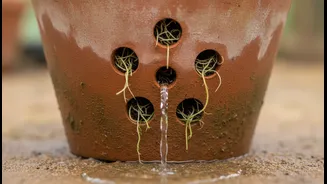
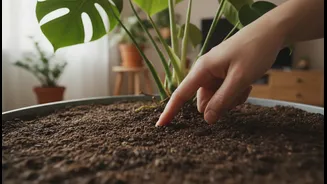
Next, perform the finger test. Poke your index finger about an inch or two into the soil. If it feels cool and damp, your plant is fine. If it feels soggy, sodden, or muddy, there is too much water. Also, take a moment to inspect the base of the stems for any mushiness and check for pests like slugs and fungal gnats, which are more common in constantly damp conditions. Finally, look at the drainage holes at the bottom of the pot. Are they clear, or are they clogged with soil, roots, or debris? A blocked drainage hole is often the primary culprit.
Step 3: Taking Action to Drain
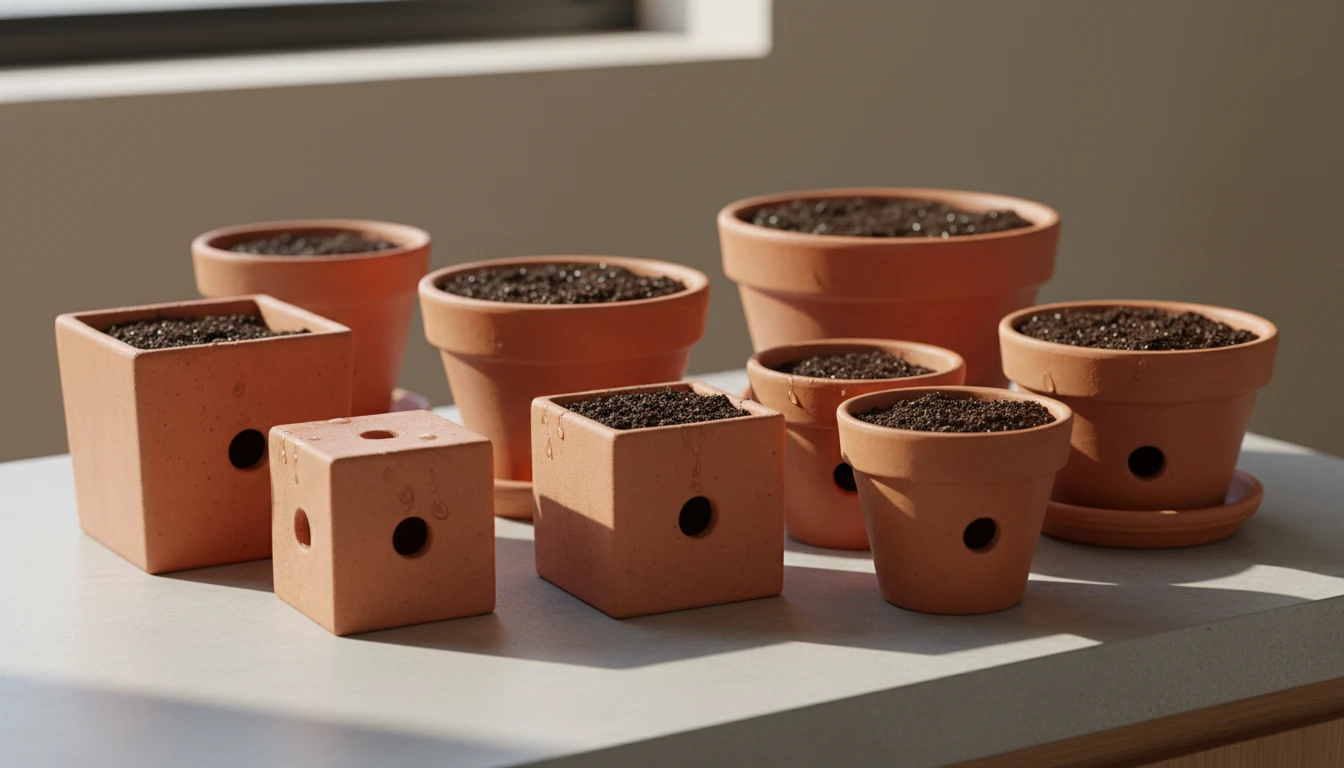
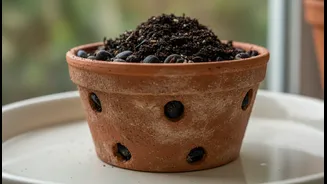
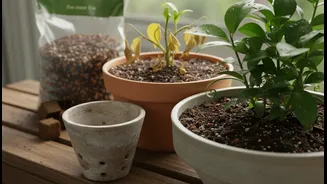
If you've determined your basket is waterlogged, you need to act fast. The first step is to gently tip the basket to a 45-degree angle to allow excess water to run out of the drainage holes. You might be surprised how much water escapes. If the holes are blocked, use a small stick or a screwdriver to carefully clear the obstruction. For long-term health, ensuring good drainage from the start is key. Before the monsoon, it's wise to repot hanging plants in a well-draining mix, often containing ingredients like cocopeat, perlite, or coarse sand, which create air pockets and prevent compaction. Also, make sure your hanging baskets are not sitting in a saucer or tray that collects water; they need to drip freely.
Essential Monsoon Care Beyond Draining
Keeping your hanging baskets alive during the monsoon involves more than just drainage. First, reduce your manual watering. Only water when the finger test tells you the soil is beginning to dry out. Second, hold back on fertilizer. Heavy rains wash nutrients from the soil, but waterlogged roots cannot absorb them. Fertilizing a stressed, wet plant can burn its roots. Wait for a dry spell when you see signs of new, healthy growth before feeding your plants again. Prune any yellowing or damaged leaves and stems. This not only makes the plant look better but also improves air circulation around the base, discouraging fungal growth. If possible, temporarily move very sensitive plants to a spot with an overhang to protect them from the heaviest downpours.