



Beyond the Curry-in-a-Hurry Stereotype
For decades, the global perception of Indian food was often reduced to a few familiar dishes: chicken tikka masala, saag paneer, and generic curries. But 2026 marks a significant graduation. Diners, both in India and abroad, are moving past the 'safe'
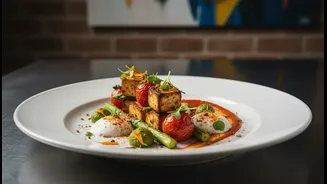
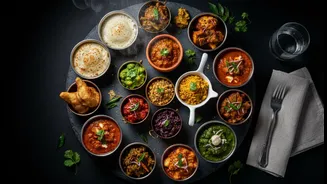
introductory dishes. In the US market, for instance, data shows a decline in interest for classics like chicken tikka masala (-7%) and saag paneer (-16%), while dishes like dal makhani (+10%) and biryani (+10%) are surging. This isn't a rejection of the past, but an embrace of depth. Chefs and diners are collectively moving away from heavy, creamy gravies toward lighter, refined presentations that allow the core ingredients to shine. As one chef notes, the trend is toward making the "ingredient the hero" rather than masking it. This shift signifies a consumer base that has graduated from novelty to true appreciation, seeking authenticity and comfort in the vastness of Indian cuisine.
A Renaissance of Regional Flavours
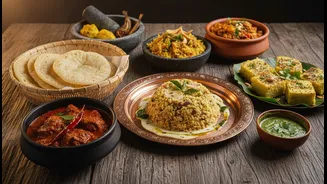
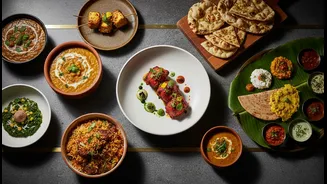
Perhaps the most significant driver of this 'louder' movement is the fervent revival of regional Indian food. Chefs and diners are now championing the incredible diversity that exists from state to state, and even village to village. There's a growing curiosity about lesser-known culinary traditions, from Nagaland's smoked pork with bamboo shoots to Kerala's coconut-rich, veggie-forward dishes. At the recent NDTV Food Awards 2026, the win for Best Indian Restaurant in the Regional Category went to Ethnic Table from Dimapur, a testament to the growing national recognition of Naga cuisine. This isn't just about authenticity; it's about storytelling. Experiential dining that weaves in cultural narratives, like a traditional Kashmiri Wazwan, is gaining momentum, transforming meals into immersive lessons in history and community. This focus on micro-regionality is allowing the true, multifaceted identity of Indian food to finally take the main stage.
Chefs as Confident Storytellers
Leading this culinary charge is a new generation of confident, vocal chefs. Figures like Manu Chandra, who was named Chef of the Year at the NDTV Food Awards 2026, are redefining contemporary Indian dining by combining innovation with a deep respect for local ingredients. They are breaking the rules and shattering the 'horrible' box of a stereotypical Indian restaurant. This new guard is moving beyond just paneer and chicken, giving centre-plate respect to a wider protein vocabulary that includes jackfruit, banana stem, and artisanal cheeses. They are also masters of technique, focusing on processes like fermentation, curing, and precise heat control to deepen flavour without gimmicks. This technique-first approach, coupled with a mission to tell stories through food, has elevated chefs from cooks to cultural ambassadors who are unapologetically presenting their heritage on a global platter.
A 'Louder' Voice on the Global Stage
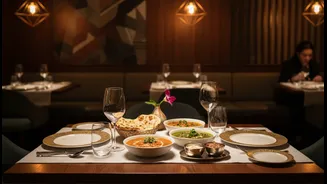
This newfound confidence at home is echoing powerfully across the world. In markets like the US, Indian food is no longer a niche category but a mainstream player, with consumer demand expanding rapidly. The motivation for eating Indian food has shifted from adventurous experimentation to a desire for comfort, authenticity, and craving. This shift is mirrored by the evolution of other global cuisines like Italian and Mexican, which saw 'gateway' dishes give way to more specific, regional alternatives as consumer familiarity grew. Acclaimed restaurant concepts are expanding, and pop-ups centered on regional Indian menus are gaining ground from New York to Prague, helping diners understand that Indian cuisine is as diverse and nuanced as Europe's. The global narrative is changing from one-note curry houses to a vibrant spectrum of dining experiences, finally matching the reality of the subcontinent's culinary richness.