



A Record-Breaking Rebound
Against a backdrop of economic uncertainties, India's retail sector has shown remarkable resilience. In the first half of 2026, the leasing of retail space across the country's top seven cities soared to its highest level in four years, reaching an impressive
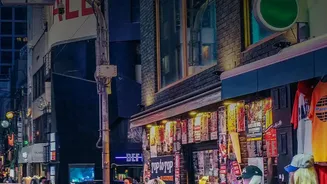
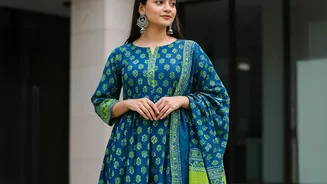
6.27 million square feet. This surge wasn't driven by a single category but a broad-based expansion. Fashion and apparel retailers were at the forefront, accounting for approximately 40% of the new space. They were followed by a strong showing from food and beverage (F&B) outlets, which took up around 14% of the space, and entertainment concepts, which claimed another 9%. This data paints a clear picture: brands are not retreating from physical streets; they are actively expanding their footprint.
The Undeniable Online Juggernaut
This physical expansion is happening alongside, not in spite of, the continued explosion of e-commerce. India’s e-retail market, which grew robustly in 2025, is projected to see further double-digit growth in 2026. With smartphone penetration on the rise and digital payments becoming second nature, the online retail market size is forecasted to potentially double to nearly $2 trillion by 2030. The convenience of quick commerce, the variety of online marketplaces, and the rise of direct-to-consumer (D2C) brands online create a formidable digital ecosystem. This parallel growth makes the boom in physical leasing all the more intriguing.
From Versus to And: The Omnichannel Shift
The narrative of 'online versus offline' is officially outdated. The most successful retailers today don't see it as a choice but as a necessity to be present in both worlds. This is the core of an omnichannel strategy, where physical stores and digital platforms work together to create a seamless customer journey. Research shows that a vast majority of Indian shoppers—around 77%—prefer to buy from brands that offer this integrated experience. A physical store is no longer just a point of sale. It's a marketing tool, an experience centre, a place for brand discovery, and a crucial hub for logistics, handling everything from customer returns to click-and-collect orders.
The Real Limit: A Scarcity of Quality Space
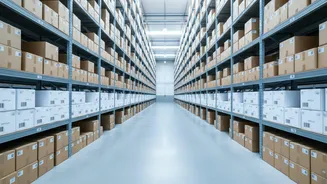
The headline's 'limits' on retail growth aren't coming from online competition as much as from a physical bottleneck: a chronic shortage of high-quality retail space. Demand from brands is dramatically outpacing the supply of new, well-located Grade A malls. In the first half of 2026, retailers leased nearly 4.5 times more space than was newly delivered. This supply-demand imbalance means brands are in a fierce battle not just for customers, but for the right physical locations. The biggest challenge for many top retailers is no longer drawing in shoppers, but simply finding an attractive storefront to open in the first place.
Who is Winning the Ground Game?
The charge for physical space is being led predominantly by domestic retailers, who accounted for over 70% of leasing activity in the first half of 2026. A fascinating trend within this is the physical expansion of D2C brands. These digitally native companies, having built a customer base online, are now opening brick-and-mortar stores to enhance brand presence and customer interaction, taking up a significant 28% of leased space. This expansion is also redrawing the map. While prime locations in metros like Mumbai, Delhi NCR, and Bengaluru remain hotspots, there is an aggressive push into Tier-II cities like Kochi, Jaipur, and Chandigarh as brands chase new consumer markets.