



The Underrated Protein Powerhouse
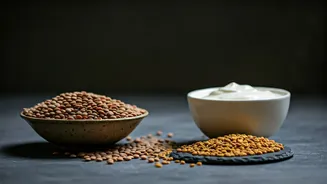
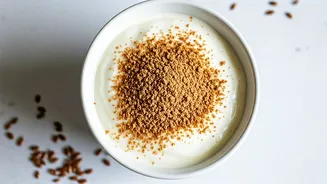
When we think of protein, our minds often jump to dals, paneer, or eggs. But a key benefit of incorporating millets like ragi (finger millet) into our diet is their impressive protein content. Ragi is a fantastic plant-based source of protein, essential
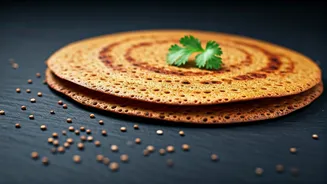
for building and repairing tissues, maintaining muscle mass, and keeping you feeling full and satisfied. Unlike a standard rice-based dosa, a ragi dosa provides a more sustained release of energy, preventing that mid-morning slump. The primary amino acid in ragi, methionine, is often lacking in diets that rely heavily on other cereal grains. By starting your day with a ragi dosa, you’re not just enjoying a tasty meal; you’re giving your body a solid foundation of high-quality protein to power through your day.
The All-Important Fiber Factor
If protein provides the building blocks, fiber is the unsung hero of digestive health. Ragi is loaded with dietary fiber, which plays a crucial role in maintaining a healthy gut. This fiber aids in smooth digestion, prevents constipation, and feeds the beneficial bacteria in your gut. But its benefits don't stop there. The high fiber content also helps in managing blood sugar levels. It slows down the absorption of carbohydrates, preventing the sharp spikes in glucose that often follow a meal made from refined grains. This makes ragi dosa an excellent choice for individuals with diabetes or anyone looking to maintain stable energy levels. This feeling of satiety it provides also helps in weight management, as you’re less likely to reach for unhealthy snacks between meals.
But Does It Taste Good?
This is the question that often stops people from trying healthier alternatives. The answer is a resounding yes. A well-made ragi dosa is a culinary delight. It has a deep, earthy, and slightly nutty flavour that is wonderfully distinct from a regular dosa. Its texture is typically a bit denser but can be made incredibly crisp and lacey, just like its rice-based counterpart. The robust flavour of ragi pairs beautifully with the traditional accompaniments. The tang of a spicy tomato chutney, the coolness of coconut chutney, and the warmth of a flavourful sambar all complement the ragi dosa perfectly, creating a symphony of tastes and textures. It doesn’t taste like a compromise; it tastes like a delicious, wholesome meal in its own right.
The Superfood's Other Secrets
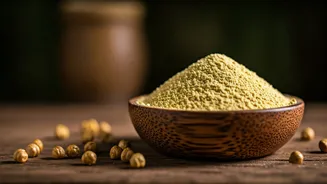
Beyond the big three of protein, fiber, and taste, ragi has a few more tricks up its sleeve. It is one of the best non-dairy sources of calcium, making it a champion for bone health across all ages. Regular consumption can help in keeping bones strong and may prevent conditions like osteoporosis. Furthermore, ragi is a rich source of iron and can help in preventing anemia. And for a growing number of people who are sensitive to gluten or have celiac disease, ragi is a godsend. It is naturally gluten-free, making it a safe and nutritious grain to include in their diet. This versatility makes it more than just a breakfast item; it's a functional food that addresses multiple nutritional needs.