



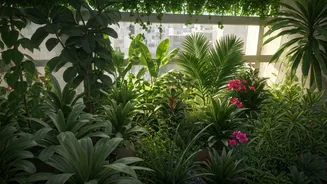


Why Go Native?
Before you rush to the nursery, consider a simple but powerful choice: go native. While exotic plants can be beautiful, native Indian species are the true superstars of sustainable gardening. They have evolved over millennia to thrive in our specific
climate, soil, and environmental conditions. This means they are naturally more resilient, requiring less water and fewer (if any) chemical pesticides or fertilisers. By planting native species, you are not just decorating your space; you are actively participating in ecological restoration. These plants provide essential food and shelter for local birds, bees, butterflies, and other pollinators, turning your small balcony into a vital node in your city’s urban ecosystem. It’s the easiest way to garden smarter, not harder, while making a tangible positive impact.
Setting Up Your Sanctuary
Creating your green haven starts with a few basics. First, become a sun detective. Observe your balcony throughout the day to understand how much direct sunlight it receives. Is it a sun-drenched spot perfect for flowering plants, or a shady nook ideal for foliage? Next, choose your containers. Terracotta pots are an excellent choice for Indian climates as their porous nature allows soil to breathe and prevents waterlogging. Ensure every pot has drainage holes. For your soil, a high-quality potting mix is key. A blend of garden soil, cocopeat (for moisture retention), and compost or vermicompost (for nutrients) creates a perfect foundation for healthy roots. This initial setup is your investment in a thriving, low-maintenance garden.
Sun-Loving Native Blooms
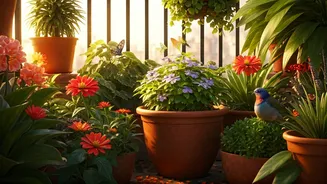
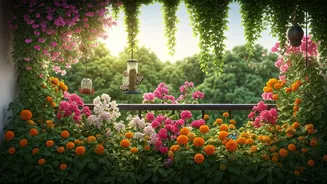
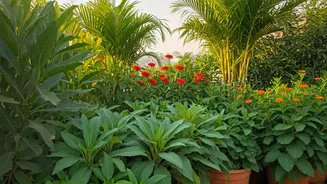
If your balcony gets at least four to six hours of direct sunlight, you have a prime spot for some of our country's most beautiful flowering plants. * **Marigold (Genda):** A cheerful and incredibly easy-to-grow classic. Their bright orange and yellow blooms are a common sight for a reason—they love the sun and their distinct scent is a natural pest repellent. * **Hibiscus (Gudhal):** With its large, dramatic flowers, the native hibiscus is a showstopper. It attracts sunbirds and butterflies, adding movement and life to your garden. * **Jasmine (Mogra/Chameli):** There is nothing quite like the fragrance of jasmine on a warm evening. Grow it in a pot with a small trellis and it will reward you with intoxicatingly sweet-smelling flowers. * **Crossandra (Kanakambaram):** Known for its unique, vibrant orange-yellow flowers often woven into garlands, this plant thrives in heat and humidity, making it a perfect, low-fuss choice.
Hardy Greens and Aromatic Herbs
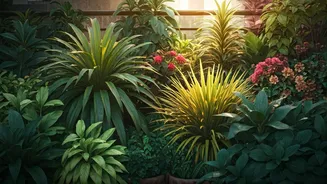
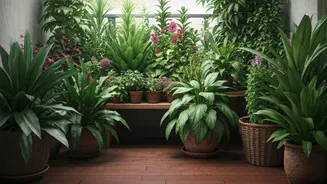
Not all balconies are blessed with abundant sun, but that doesn’t mean you can’t have a lush garden. Many native plants thrive in partial shade and bring texture, fragrance, and utility. * **Tulsi (Holy Basil):** A staple in many Indian households, Tulsi is revered for its spiritual and medicinal properties. It's a hardy plant that does well in pots and can handle a range of light conditions. * **Curry Leaf (Kadi Patta):** Fresh curry leaves elevate any dish, and the plant is surprisingly easy to grow. It enjoys sunshine but will tolerate partial shade, and its aromatic leaves are a delight. * **Spider Lily (Hymenocallis):** For a touch of drama, the Spider Lily offers striking white flowers and lush, strap-like leaves. It's remarkably tough and can handle neglect better than most plants. * **Lemongrass:** This clumping grass is not only easy to grow but also serves a dual purpose. Its fresh citrusy scent is a natural mosquito repellent, and the stalks are perfect for brewing tea or adding to Asian cuisine.
A Haven for Winged Visitors
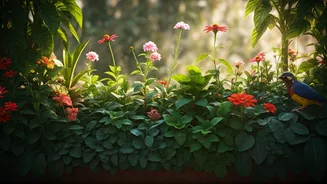
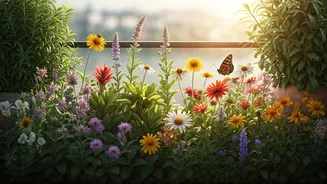
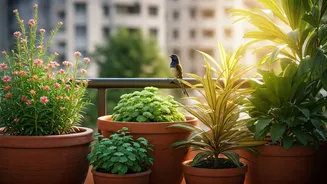
Your native balcony garden is more than just a collection of plants; it's an invitation. By choosing flowers like Hibiscus and Crossandra, you're rolling out the welcome mat for butterflies, bees, and tiny sunbirds that feed on their nectar. These pollinators are crucial for a healthy environment, and urban gardens provide them with much-needed rest stops and food sources in a concrete landscape. The presence of these creatures brings your garden to life, offering endless moments of observation and connection. To make your sanctuary even more inviting, consider adding a shallow dish of water. This simple bird bath will provide a lifeline for thirsty birds, especially during hot summer months, completing the mini-ecosystem you’ve so carefully created.
Your Eco-Friendly Care Routine
Caring for a native garden is simple and sustainable. The golden rule of watering is to check the soil first. Poke your finger about an inch deep; if it feels dry, it's time to water. Water plants deeply but infrequently, preferably in the early morning or late evening to reduce evaporation. Instead of chemical fertilisers, nourish your plants with nature's best. Use compost made from your own kitchen scraps or buy a bag of vermicompost to add to the soil every few months. For pests, avoid harsh chemicals. A simple solution of neem oil mixed with water and a drop of liquid soap is a powerful, organic way to keep common pests like aphids and mealybugs at bay without harming beneficial insects.