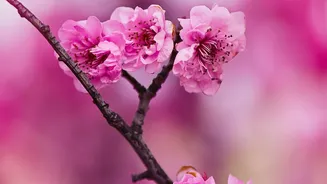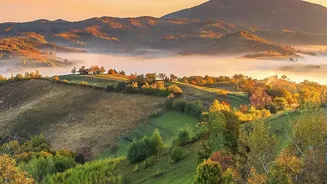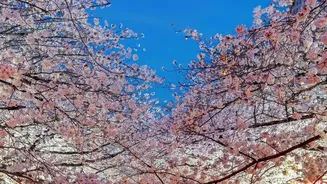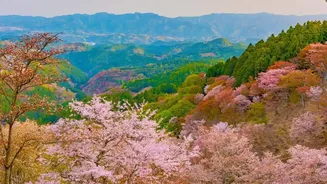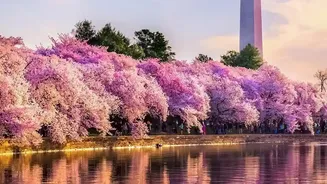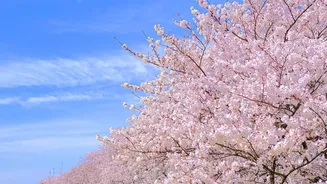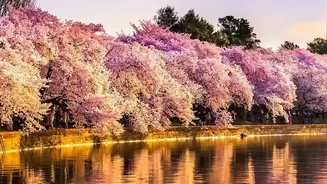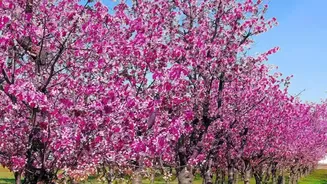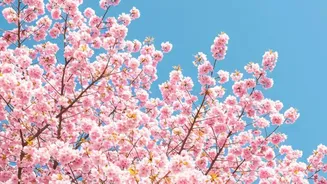


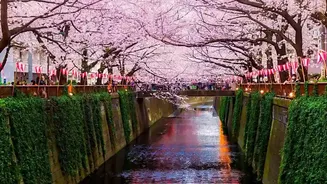
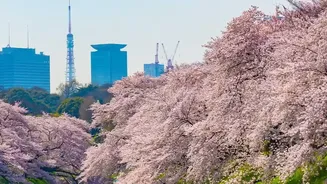
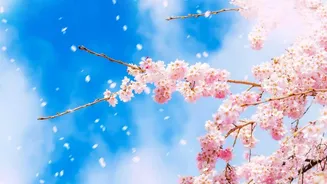
While the world associates cherry blossoms with spring, the hills of Meghalaya offer a breathtakingly unique twist. Every November, Shillong erupts in a sea of pink, not from Japanese Sakura, but from a native Himalayan species that blooms in autumn.
An Autumn Bloom Unlike Any Other
The magic of Meghalaya's cherry blossoms lies in their timing and origin. The trees, known as the Wild Himalayan Cherry or Prunus cerasoides, are native to the region. Unlike their famous Japanese counterparts which require a cold winter before blooming in spring, these hardy, wild trees have adapted to flower in the autumn months, typically from late October through November. This counter-seasonal spectacle transforms the post-monsoon green landscape into a canvas of soft pink and white, creating a visual that is exclusive to this part of the world. This unique ecological phenomenon puts India firmly on the global map for floral tourism, offering an experience that flips the conventional cherry blossom calendar on its head.
The Shillong Cherry Blossom Festival
The natural bloom is amplified by the Shillong Cherry Blossom Festival, an annual event that has grown into a major cultural and musical attraction. For 2026, the festival is scheduled for November 20 and 21 at the Highland Ground in New Shillong. While the blossoms provide a stunning natural backdrop, the festival itself is a vibrant, high-energy celebration. It blends Meghalaya's rich local culture with an international music lineup. In previous years, the festival has hosted major international artists, and the 2026 edition is set to continue this trend. Visitors can expect live concerts, food stalls offering authentic Khasi delicacies, traditional dance performances, art installations, and a bustling atmosphere that celebrates both nature and modern creativity.
Where to Find the Pink Paradise
While the main festival has a specific venue, the blossoms themselves are scattered across Shillong, turning the entire city into a viewing gallery. One of the most iconic and accessible spots is Ward's Lake, where the pink reflections on the water create picture-perfect moments. The Shillong Golf Course offers a different perspective, with blossoms set against wide-open green fairways and pine trees. Other key areas to witness the bloom include the roads around the Polo Grounds, Lady Hydari Park, and the scenic drive towards Upper Shillong. You don't need a festival ticket to enjoy the flowers; a simple walk or drive through these areas in early to mid-November will reveal the city's seasonal charm.
Planning Your Visit: Practical Tips
November in Shillong is generally cool and pleasant, with the monsoon having receded. However, evenings can be chilly, so packing warm layers is essential. Due to the festival's popularity, accommodations in Shillong get booked up quickly. It's advisable to book your hotels and flights several weeks, if not months, in advance. The nearest major airport and railway station are in Guwahati, Assam, about 100–110 km away, from where you can hire a cab or take a bus to Shillong. For the best experience, consider arriving a day or two before the festival to enjoy the blooms with fewer crowds. The peak bloom typically occurs in the first half of November, so the trees should still be in their full glory during the 2026 festival dates.
Beyond the Blossoms
A trip to Shillong for the cherry blossoms is also an excellent opportunity to explore the wider wonders of Meghalaya. The state is famed for its living root bridges, dramatic waterfalls, and pristine caves. You can easily plan day trips to Cherrapunji (Sohra) to see the majestic Nohkalikai Falls or visit Mawlynnong, once dubbed 'Asia's Cleanest Village'. The crystal–clear waters of the Umngot River in Dawki and the vast Umiam Lake on the way to Shillong are other must–visit destinations. Combining the fleeting beauty of the cherry blossoms with these natural marvels makes for an unforgettable journey into the heart of Northeast India.