




The New Festive Essential
In modern India, fragrance is no longer an afterthought but a core component of festive identity. During celebrations like Diwali, Durga Puja, and Eid, looking good is intrinsically linked to smelling good. This cultural association of scent with purity,
auspiciousness, and joy has deep roots. For centuries, fragrances have been used in spiritual rituals to create a sacred atmosphere. Today, that tradition has evolved. Consumers are now curating 'scent wardrobes' to express their personality, mood, and the spirit of the occasion. This shift from fragrance as a simple grooming product to a form of self-expression is driving significant growth, turning the Indian perfume market into one of the fastest-growing categories in personal care.
The Allure Of Global Luxury
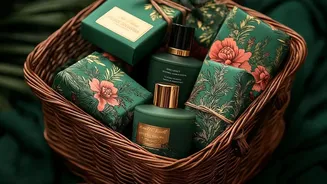
The desire for globally recognized luxury brands has firmly taken hold in the Indian market. The luxury perfume sector in India was valued at USD 1.3 billion in 2025 and is projected to grow steadily, reaching USD 1.9 billion by 2034. This growth is fuelled by rising disposable incomes, increased global exposure through travel and digital media, and a growing brand consciousness. For many, owning a perfume from a renowned international house is a status symbol, an accessible piece of luxury that aligns with global trends. During festivals, gifting a high-end perfume has become a modern tradition, signifying prosperity and sophisticated taste. This aspirational buying behaviour is expanding beyond metro cities into Tier-2 and Tier-3 markets, indicating a nationwide trend.
The Renaissance of Attar
At the same time, a powerful counter-trend is gaining momentum: the resurgence of attar. These traditional, oil-based perfumes, crafted through age-old distillation methods in places like Kannauj, are being rediscovered by a new generation. Younger consumers, in particular, are drawn to the authenticity, sustainability, and chemical-free nature of attars. Unlike alcohol-based sprays, oil-based attars are long-lasting, skin-friendly, and perform well in India’s climate. Homegrown brands are leading this revival, reinterpreting traditional single-note scents like jasmine and rose into complex, modern blends with notes of spice or wood, making them more palatable for contemporary noses. This reinvention transforms attar from a legacy product into a niche, artisanal choice.
A Tale of Two Fragrances
The most defining aspect of this trend is that consumers aren't choosing one over the other. Instead, they are embracing both. The modern Indian fragrance enthusiast might wear a light, fresh French perfume for a daytime gathering and a deep, resinous oudh attar for an evening celebration. This reflects a broader cultural identity: globally connected yet deeply rooted in heritage. This duality is also seen in the innovation from homegrown brands, which are creating 'modern attars' or alcohol-free perfumes that combine traditional Indian notes with contemporary scent profiles, effectively bridging the gap between the two worlds. The market is no longer a simple binary of East vs. West, but a fluid space where personal choice and olfactory storytelling reign supreme.
The Future Smells Bright
The Indian fragrance market is in the midst of a vibrant transformation. The co-existence of global luxury perfumes and traditional attars is not a contradiction but a reflection of the multifaceted modern Indian consumer. They appreciate heritage and craftsmanship just as much as they desire global luxury and status. As the festive season approaches, this trend is set to intensify, with scents playing a more significant role than ever in personal expression and celebration. The focus on fragrance layering and creating a personal 'scent signature' will continue to grow, encouraging both international giants and local artisans to innovate.