
More Than Just Flying Machines
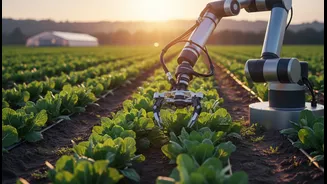
The 24th edition of Agri Intex, running from July 9th to 13th, has once again positioned Coimbatore as the epicenter of India's agricultural future. While the live demonstrations of advanced drone sprayers and automated harvesters draw crowds, the bigger
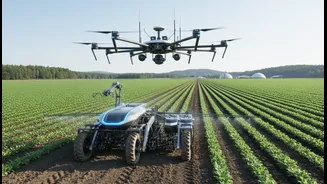
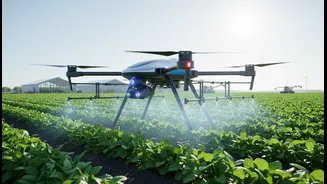
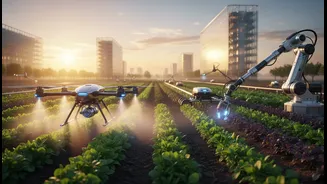
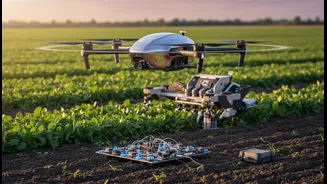
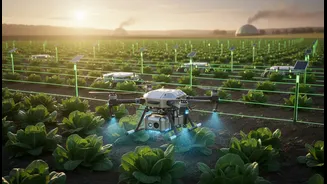
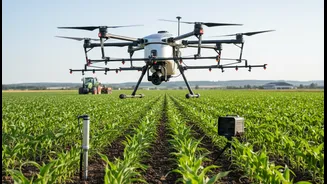
story lies in the infrastructure supporting them. For every drone that takes to the skies to monitor crop health or spray pesticides, a whole new value chain is emerging on the ground. These aren't just gadgets replacing labour; they are complex data-gathering tools. The sensors they carry collect vast amounts of information on everything from soil moisture to pest infestations, information that is useless without someone to manage, interpret, and act on it. This shift is transforming farming from a purely manual endeavor into a knowledge-based industry.
The New Faces of Farming
The headline-grabbing role is the drone pilot, and the demand is surging. With an estimated 1 lakh drones currently in operation in India—a number expected to hit 1 million by 2027—the country faces a significant shortage of certified pilots. But piloting is just the beginning. The data captured by drones needs to be processed by skilled analysts who can translate raw images and sensor readings into actionable insights for the farmer, like which specific patch of land needs water or nutrients. This creates a demand for data scientists and agricultural specialists with tech skills. Furthermore, these high-tech machines require regular maintenance and repair, giving rise to a network of service technicians who can keep the fleet operational. It's a 'drone-as-a-service' model that creates a host of new, well-paying rural and semi-urban jobs.
Why Coimbatore is Ground Zero
Coimbatore's emergence as a hub for this revolution is no accident. Hosted by the Coimbatore District Small Industries Association (CODISSIA), Agri Intex leverages the region's strong industrial and manufacturing base. The city is home to numerous pump manufacturers and agricultural engineering firms, creating a fertile ground for agri-tech innovation. Institutions like the Tamil Nadu Agricultural University (TNAU) further bolster this ecosystem by fostering research and supporting agri-tech startups. The presence of global players from countries like Japan, Italy, and the US at Agri Intex 2026 underscores Coimbatore's growing international importance as a place where agricultural technology and market needs converge.
Bridging the Critical Skill Gap
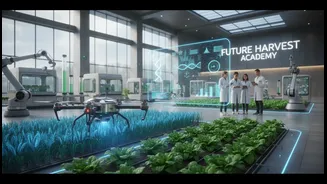
Despite the immense opportunity, a major hurdle is the shortage of a skilled workforce. There's a pressing need for trained pilots, maintenance crews, and data analysts who understand both technology and agriculture. Events like Agri Intex are vital because they serve as a meeting point for industry, academia, and farmers. They highlight the demand for these new skills, encouraging educational institutions to develop relevant training programs and curricula. By showcasing the career potential, these expos can attract a new generation to the agricultural sector, not for traditional farm work, but for high-tech roles that can offer lucrative salaries, sometimes upwards of ₹60,000 per month for a skilled pilot during peak season. Government initiatives like the Drone Shakti Mission aim to support this by enabling drone-as-a-service startups and upskilling workers, but industry-led platforms like Agri Intex provide the real-world context and connections that make it happen.