




Embrace Multi-Functional Furniture
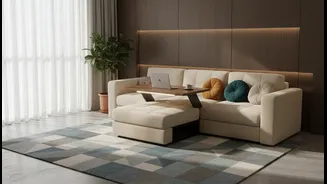
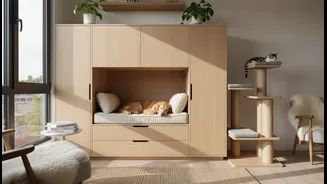
In a compact home, every piece of furniture should work hard. Look for items that serve both you and your pet. An entryway bench can have a lower shelf for a dog bed, while a stylish end table can be designed as a discreet dog crate. There are even ottomans
that double as a cozy cat house, providing a hidden nap spot and a place for you to put your feet up. This approach saves precious floor space by integrating your pet's needs into furniture you already use, ensuring their comfort without adding clutter. Some Indian brands now offer premium pet furniture designed to blend seamlessly with modern interiors, functioning as both a pet bed and a shared lounging space.
Think Vertically for Storage
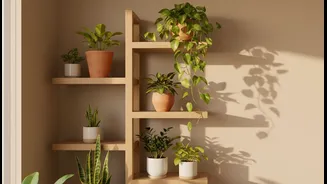
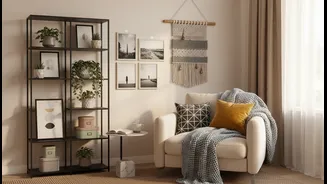
When floor space is limited, the only way to go is up. Use wall-mounted shelves to store pet food canisters, grooming supplies, and treats. Simple hooks near the door can create a 'walking zone' for leashes and collars. For cats, vertical space is a playground. Wall-mounted perches, steps, or even tall, slim cat trees satisfy their natural instinct to climb without taking over the living room. This strategy keeps essentials organised and accessible while freeing up the floor for a more open, airy feel.
Create a Discreet Feeding Station
Pet bowls can be a tripping hazard and an eyesore. Integrate them into your cabinetry for a clean, streamlined look. A low drawer in the kitchen can be converted to pull out with food and water bowls, which can be pushed back in when not in use. Another idea is to use the space under a laundry room counter or inside a cabinet by simply removing the door. For a less permanent solution, a stylish mat in a corner can define the feeding area and protect your floors. Choose bowls made of ceramic or hammered copper that match your decor, turning a necessity into a design element.
Conceal the Litter Box
The litter box is often the biggest design challenge for cat owners in small spaces. Thankfully, there are many stylish solutions to hide it in plain sight. Furniture designed specifically to enclose a litter pan can look like a modern side table or a storage cabinet. These pieces contain odours and keep the mess out of sight. For a DIY approach, you can repurpose a cabinet or a deep bench with a hinged lid. Simply cut an entrance hole in the side for your cat to access their private space. This keeps the litter box functional but completely hidden from guests.
Define a Cozy Nook
Even without a dedicated room, you can create a special corner that your pet knows is theirs. This helps reduce their anxiety and keeps their belongings contained. Use a small, stylish rug to visually define the space. Choose a pet bed with a washable cover in a colour and fabric that complements your existing decor. A cute wicker or wire basket can hold all their toys, keeping them tidy but within easy reach. This small, defined zone gives your pet a sense of security and demonstrates that they are an integrated part of the home, not an afterthought.
Repurpose and Get Creative
You don't always need to buy new. Look at your existing furniture with fresh eyes. A vintage trunk can become a stylish storage box for pet food and toys. An unused woven wastebasket, turned on its side and mounted on the wall, can become a chic cat bed. You can even build a simple corner feeding station with just a few pieces of plywood. By repurposing items, you not only save money but also create a unique and personal space for your pet that perfectly matches your home's aesthetic.