








The Dawn of a New Era
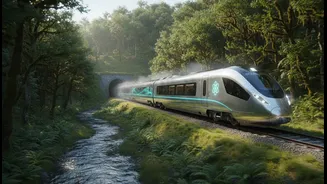
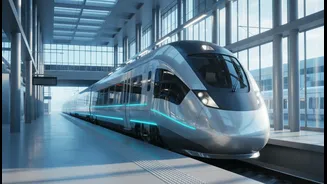
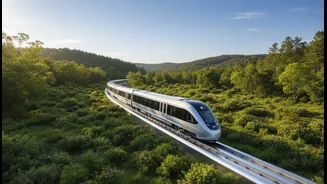
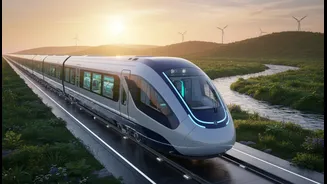
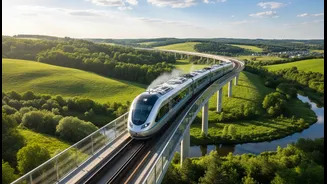
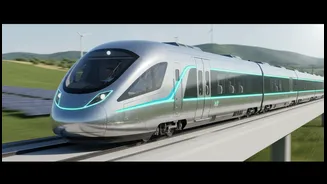
On July 17, India is scheduled to launch its first-ever hydrogen fuel cell-powered train, marking a significant leap in the nation’s push for clean and sustainable transport. This inaugural service is set to run on the 90-kilometre Jind-Sonipat corridor
in Haryana. Unlike conventional diesel trains that emit carbon, this next-generation train works by combining hydrogen and oxygen to produce electricity, with the only byproduct being water vapour. This process means a quieter, smoother, and, most importantly, zero-emission journey, aligning with Indian Railways' ambitious goal of achieving net-zero carbon emissions by 2030.
Technology for the People
For years, the 'eco-friendly' label, whether on cars, food, or fashion, has often come with a high price tag, making sustainable choices feel like a luxury reserved for the few. India's hydrogen train directly challenges this notion. By integrating cutting-edge green technology into the nation's most widely used mode of mass transit, the government is making a powerful statement. This is not about a niche product for the elite; it is about upgrading a system that millions of people rely on every day. The initial fare for the Jind-Sonipat route is expected to be highly affordable, with ticket prices ranging from just Rs 5 to Rs 25, making it a fast and cost-effective travel option for the public.
More Than Just a Train
The project is a significant achievement for the 'Make in India' initiative, showcasing domestically developed rail technology. The train was designed by the Research Designs and Standards Organisation (RDSO) in Lucknow and built at the Integral Coach Factory (ICF) in Chennai. The 10-coach train, which includes two power cars and eight passenger coaches, is being hailed as the world's longest hydrogen-powered train on a broad-gauge network. It has a total passenger capacity of around 2,600 and will cut the travel time between Jind and Sonipat from two hours to just one.
The 'Hydrogen for Heritage' Vision
The Jind-Sonipat pilot is just the beginning. This launch is a key part of a broader 'Hydrogen for Heritage' initiative. The plan is to roll out similar hydrogen-powered trains on several of India’s iconic heritage and narrow-gauge routes, such as the Kalka-Shimla Railway and the Darjeeling Himalayan Railway. The idea is to preserve the vintage charm of these historic lines while modernizing them with clean technology, eliminating the pollution from old diesel engines without the need for extensive and disruptive electrification work.
The Road Ahead
The journey to a fully hydrogen-powered rail network is not without its challenges. The initial cost of producing these trains and setting up the required infrastructure is high. A dedicated refuelling facility has been established in Jind to support the pilot run. Furthermore, the cost of producing 'green' hydrogen—using renewable energy for electrolysis—is currently higher than conventional fuels. However, experts believe that as the technology matures and scales up, these costs will fall, leading to long-term operational savings compared to diesel trains. The success of this pilot project will be crucial in determining the pace of expansion to other routes across the country.