







A Cool Answer to a Hot Problem
One of the biggest drivers behind the green roof trend is their incredible ability to combat the urban heat island effect. Cities, with their vast expanses of heat-absorbing asphalt and concrete, can be significantly warmer than surrounding rural areas.
A green roof, covered in vegetation, doesn't just provide shade; it actively cools the air through a process called evapotranspiration. This can dramatically lower the roof's surface temperature and, consequently, the building's interior. In a climate like India's, where cities regularly face scorching summer heat, this natural air conditioning is a game-changer. Studies have shown this can lead to a significant reduction in the energy needed for cooling, which translates to lower electricity bills for building owners.
More Than Just a Pretty Space
The benefits of a green roof extend far beyond temperature control. They are miniature ecosystems that bring a host of environmental advantages. They improve air quality by filtering pollutants and capturing carbon dioxide. They also provide crucial habitats for urban wildlife, such as birds and bees, boosting biodiversity in areas where it has been disrupted. Furthermore, green roofs are excellent at stormwater management. During heavy rainfall, especially during India's monsoons, they absorb a significant amount of water, reducing runoff and easing the burden on overburdened city drainage systems. This helps prevent flooding and filters pollutants from the water before it re-enters the system.
The Financial Green Light
While the initial installation cost of a green roof can be higher than a traditional one, they are increasingly seen as a sound long-term investment. The energy savings alone can be substantial over the life of the building. Green roofs also protect the underlying roofing membrane from harsh UV radiation and extreme temperature fluctuations, which can double or even triple the roof's lifespan, saving on future replacement costs. This durability, combined with lower utility bills and aesthetic appeal, can significantly increase a property's value. Recognizing these benefits, various government bodies in India are offering incentives like additional Floor Area Ratio (FAR) or tax rebates for certified green buildings, further strengthening the financial case for adoption.
Understanding the Types
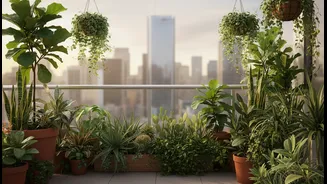
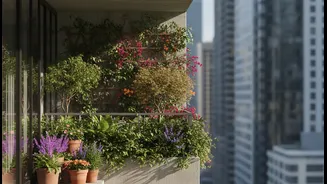
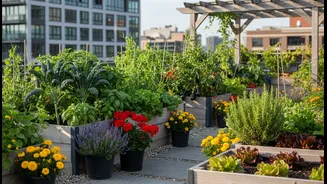
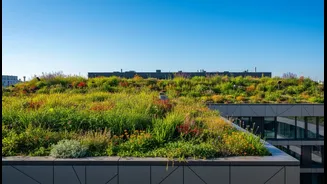
Not all green roofs are created equal. They generally fall into two main categories: intensive and extensive. Extensive green roofs are lightweight, have a shallow growing medium, and typically feature low-maintenance plants like sedums. They are chosen primarily for their ecological benefits and can often be retrofitted onto existing buildings without major structural changes. Intensive green roofs, on the other hand, are more like rooftop gardens. They have deeper soil, can support a wider variety of plants including shrubs and small trees, and are often designed as accessible amenity spaces for recreation. While heavier and requiring more maintenance, they offer greater aesthetic and social benefits. There are also semi-intensive and biodiverse options that offer a middle ground or prioritize habitat creation.
Challenges and the Path Forward
Despite the clear advantages, the widespread adoption of green roofs faces some hurdles. The upfront cost and the need for structural assessments to ensure a building can handle the weight are significant considerations. Maintenance, especially in the first few years, is also crucial for the roof's success and involves costs for weeding and potentially irrigation. However, as technology improves and more contractors specialize in green roof installation, costs are becoming more competitive. In India, organizations like the Indian Green Building Council (IGBC) are promoting adoption through rating systems, and research institutions are developing technologies suited to local conditions. With growing awareness and policy support, the future of India's urban landscape looks increasingly green.