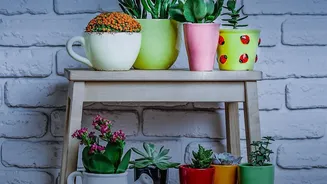

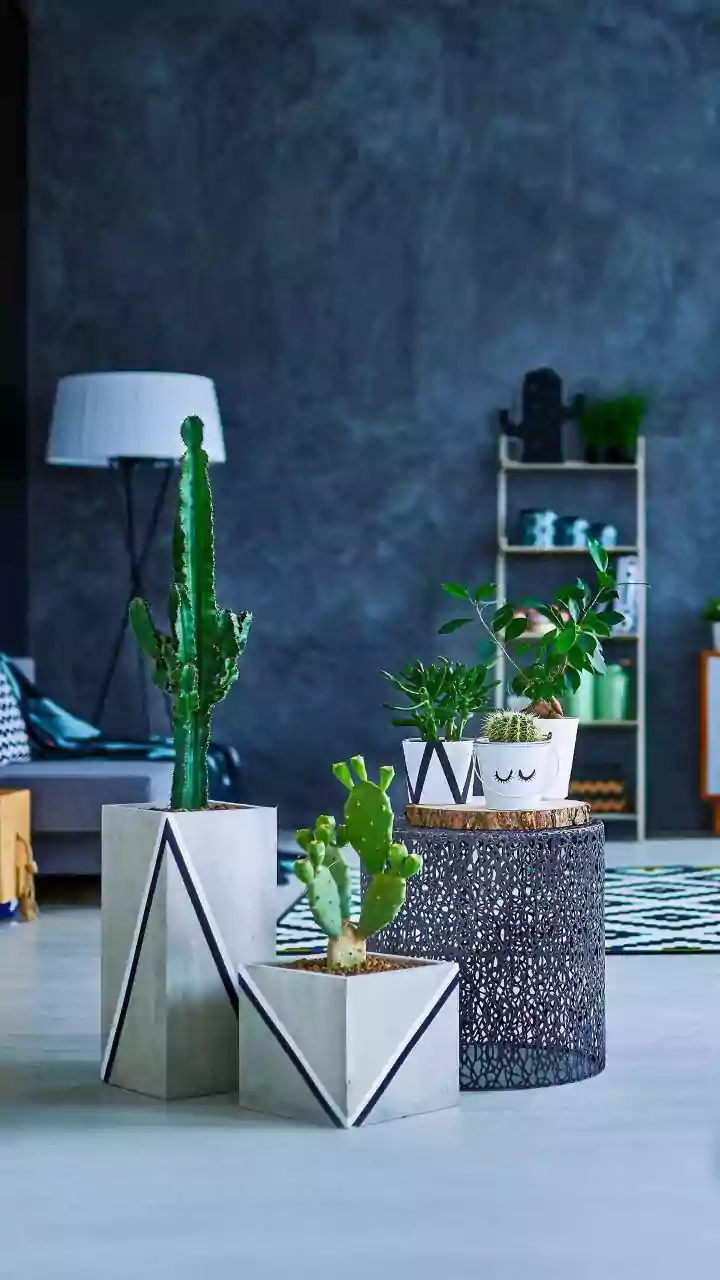
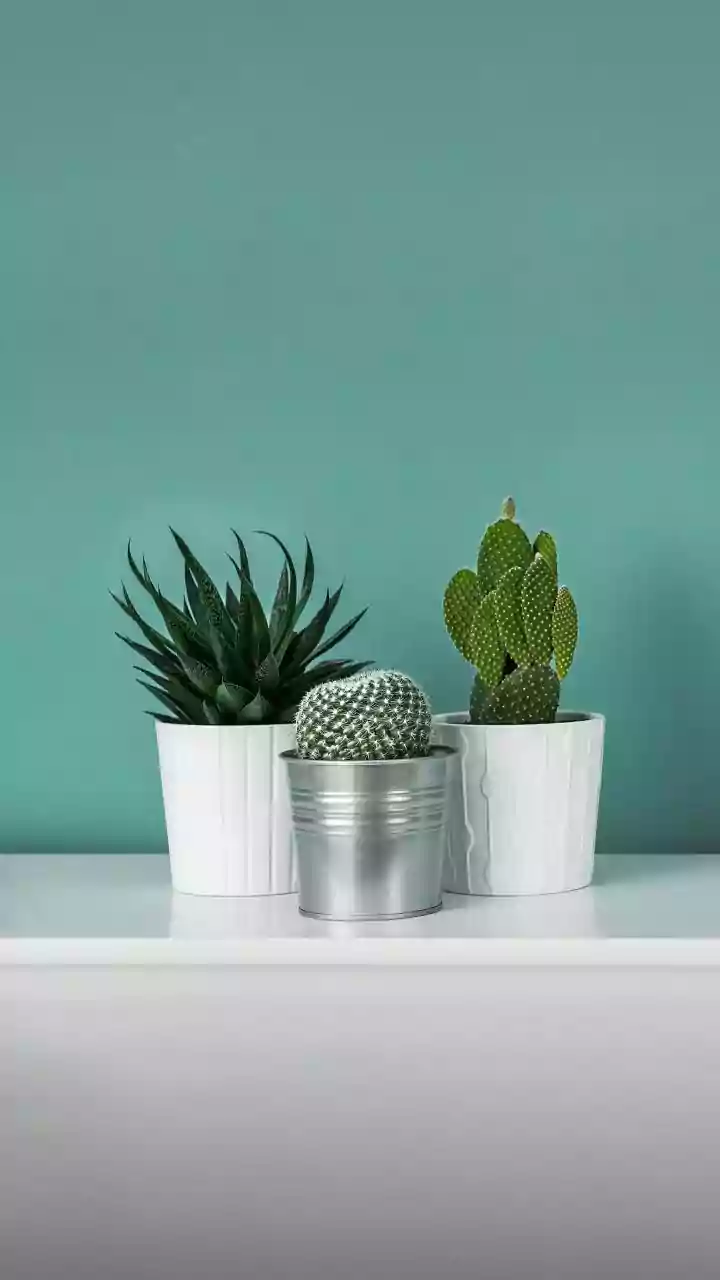



Living in a rented flat doesn’t mean giving up on your green thumb. Compact desert plants offer a stylish, low-effort way to bring nature indoors, transforming even the smallest spaces into a personal sanctuary with minimal fuss.
Why Desert Plants Are Perfect for Renters
The appeal of desert plants,
which include cacti and succulents, is simple: they are nature’s masters of resilience. Adapted to survive in harsh, arid environments, they store water in their leaves and stems, which means they are incredibly forgiving if you forget to water them. For busy apartment dwellers in India, this translates to less stress and more success. Their slow growth and compact nature make them ideal for small spaces like windowsills, desks, and shelves. Beyond their practicality, these plants offer stunning variety in texture, shape, and colour, acting as living sculptures that can elevate your home decor.
The Foundation: Pots and Soil
The single most important rule for keeping desert plants happy is ensuring excellent drainage. Without it, their roots can sit in water and rot, a common reason for failure. Always choose a pot with at least one generous drainage hole. Terracotta pots are a fantastic choice, as the porous clay helps the soil dry out faster, which is especially useful during humid monsoon seasons. Use a specialised cactus or succulent potting mix, which is gritty and drains quickly. You can also make your own by mixing regular potting soil with materials like perlite or coarse sand. The pot should be only slightly larger than the plant's root ball, as too much extra soil can hold excess moisture.
1. The Hardy Haworthia (Zebra Plant)
The Zebra Plant is a star for indoor conditions because it tolerates lower light levels better than many other succulents. Its dark green leaves are striped with white, resembling a zebra's pattern, and it stays neatly compact. It’s perfect for a desk or a north-facing window where direct sun is limited. Like its desert cousins, the Haworthia needs soil that dries out completely between waterings. Its architectural look adds a modern touch to any small space without demanding much in return.
2. The Classic Jade Plant (Crassula ovata)
Often considered a symbol of good luck in many Indian households, the Jade Plant is a sturdy and beautiful succulent. With its tree-like structure and glossy, fleshy oval leaves, it brings a sense of groundedness and prosperity. While it appreciates bright, indirect light to thrive, it is quite adaptable. A baby jade variety is even more compact for smaller spaces. Allow the soil to dry out before watering again. Over time, it can be pruned into a beautiful, bonsai-like shape, making it a long-term companion in your home.
3. The Cheerful Echeveria
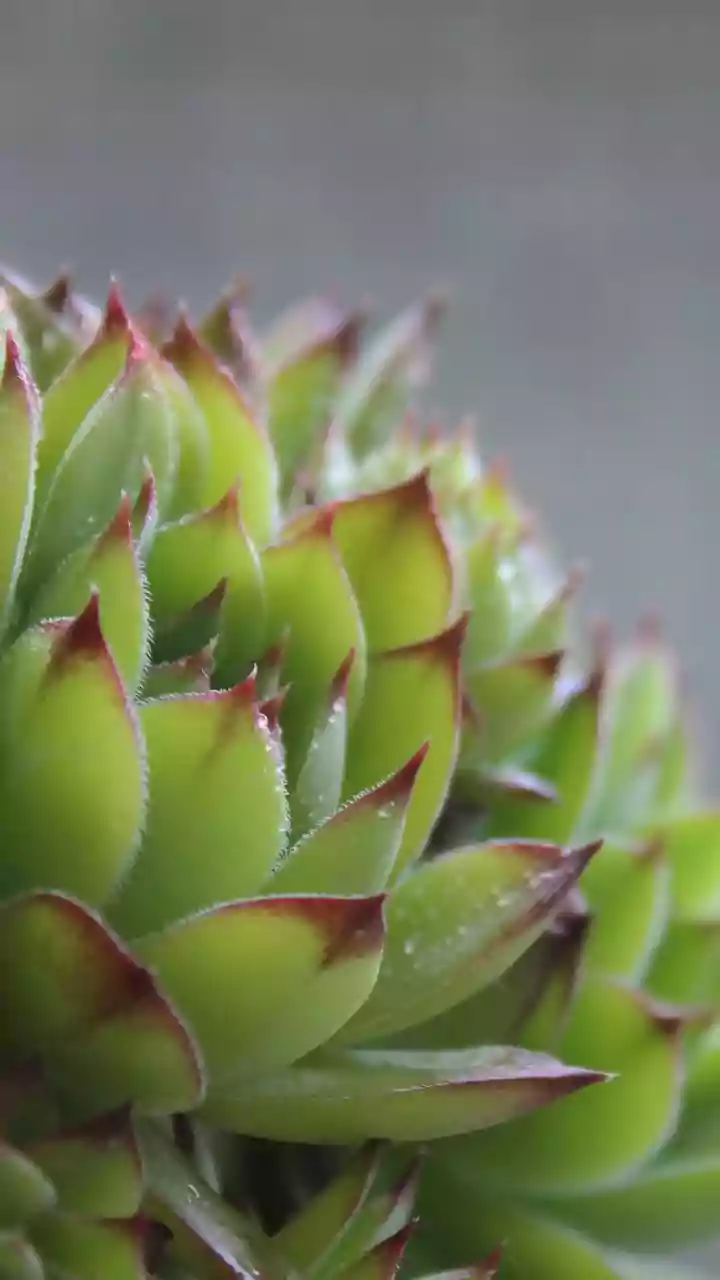
Known for their beautiful rosette shapes that resemble a flower in bloom, Echeverias come in a stunning array of colours, from pale greens and blues to deep purples and pinks. They are true sun-lovers and will show their best colours when given plenty of bright, indirect light, making a sunny windowsill an ideal spot. If they don't get enough light, they can stretch out and lose their compact shape. Water deeply but infrequently, only when the soil is bone-dry to the touch. Their sheer variety makes them highly collectible and a joy to group together.
4. The Quirky Panda Plant (Kalanchoe tomentosa)
If you're looking for a plant with a unique texture, the Panda Plant is an excellent choice. Its leaves are thick, fuzzy, and covered in soft, silvery hairs, with tips dotted in a reddish-brown that gives it a 'toasted' look. This plant is not only charming but also quite tolerant of indoor conditions and can handle less-than-perfect light. Be careful not to get water on its fuzzy leaves, as this can lead to rot; water the soil directly instead. Its slow growth and touchable texture make it a favourite for adding a playful element to a plant collection.
5. The Ever-Forgiving Snake Plant (Sansevieria trifasciata)
While not a classic 'desert' plant, the Snake Plant is a succulent that is virtually indestructible and thrives on neglect, making it perfect for beginners and renters. Its stiff, upright leaves make it a great choice for corners or areas where you want a bit of vertical height. It is renowned for its air-purifying qualities and is one of the few plants that release oxygen at night, making it ideal for bedrooms. Most importantly, it tolerates very low light, though it prefers medium, indirect light. Like other succulents, its main enemy is overwatering.