

The Undisputed King of Moons
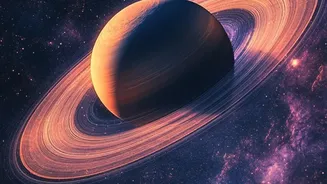
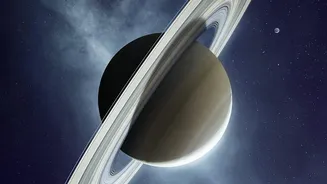
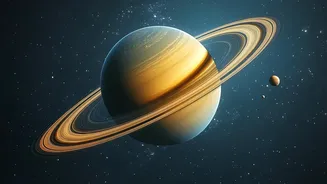
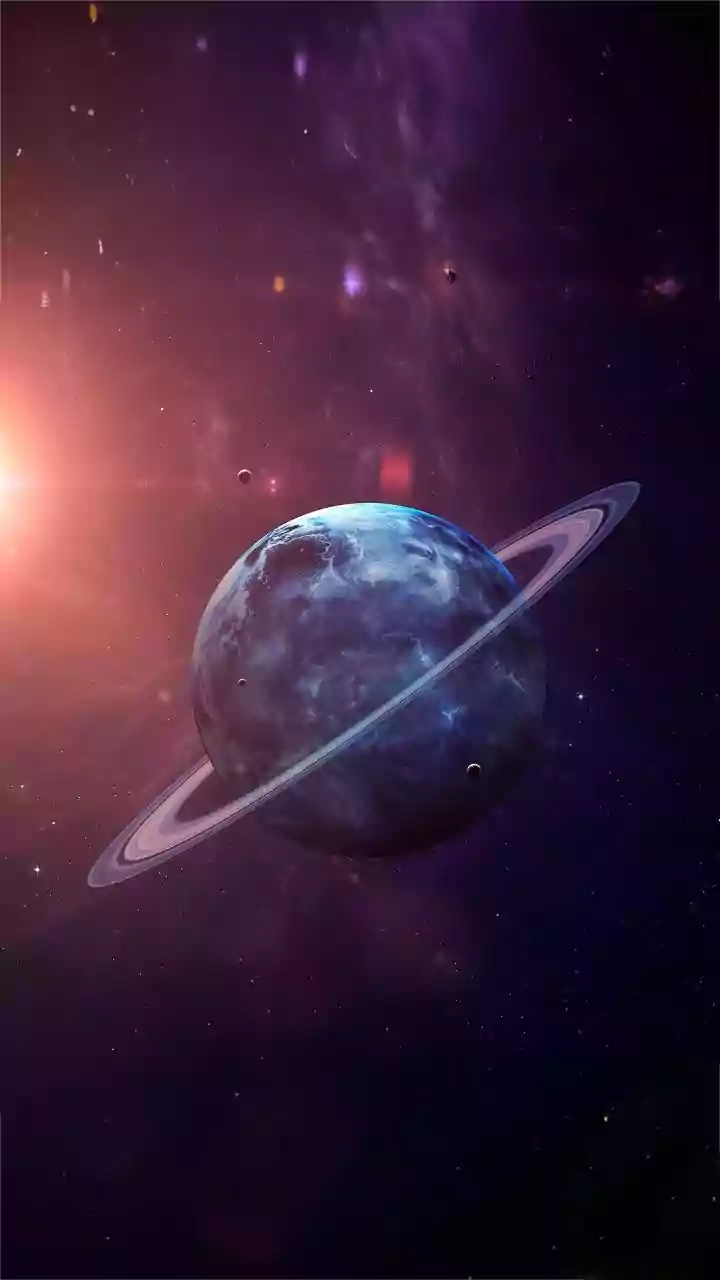
Not long ago, Jupiter held the title for the most moons in the solar system. Today, Saturn wears that crown, and its lead is only growing. As of mid-2026, the ringed planet has a confirmed count of over 290 moons, a number that has skyrocketed in recent
years. This flurry of discoveries hasn't come from a new space probe, but from powerful ground-based telescopes and clever new techniques for spotting faint objects. In just over a year, from early 2025 to mid-2026, astronomers officially recognized well over 100 new moons, making textbooks printed before then instantly out of date. This isn't because Saturn suddenly acquired new satellites; it's because our ability to see them has dramatically improved.
How to Find a Moon in a Haystack
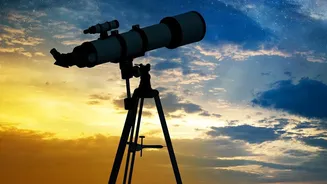
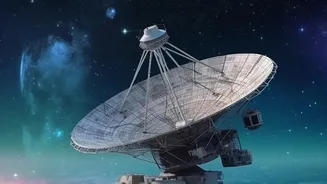
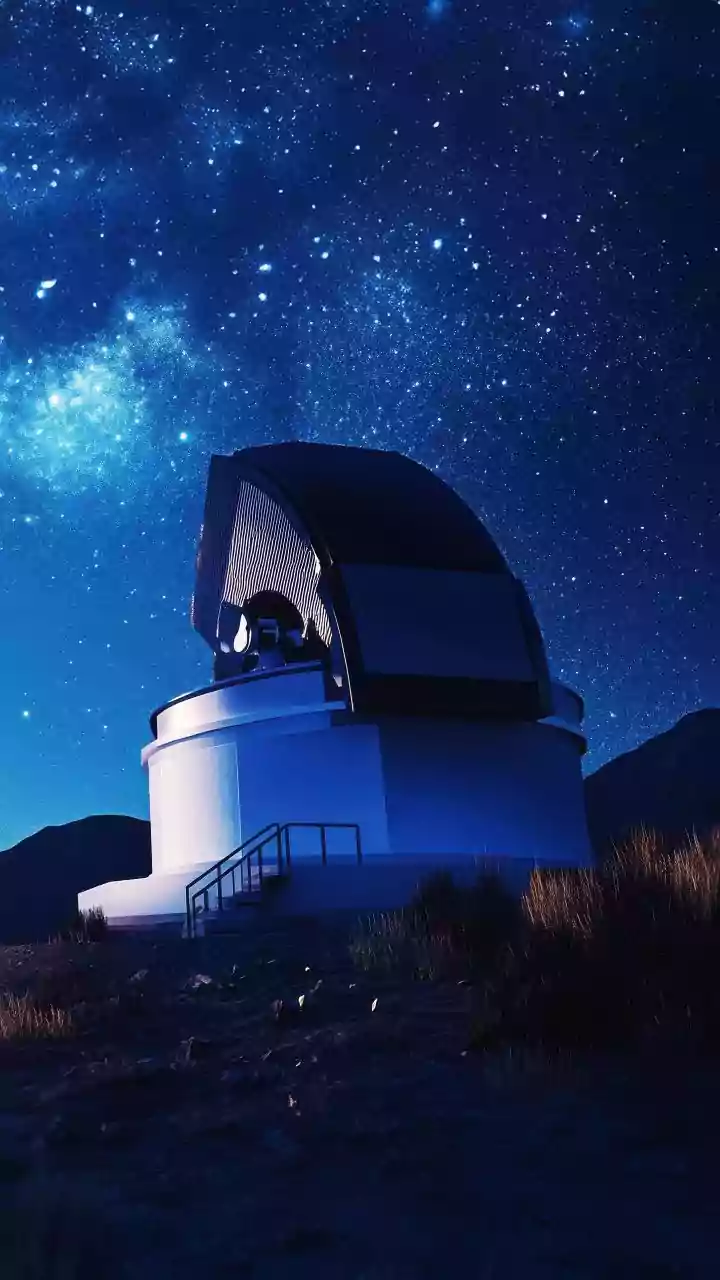
Finding these new moons is a monumental task. They are incredibly small, often just a few kilometres across, and fantastically distant. Scientists use powerful instruments like the Canada-France-Hawaii Telescope to take a series of images of the sky around Saturn over several years. The real magic happens in the analysis. Using a technique called "shift and stack," astronomers shift the series of images at the same rate they expect a moon to be moving. If a moon is there, its faint light gets amplified across the stacked images, revealing a point of light that was previously invisible. It takes years of follow-up observations to confirm that the object is indeed in a stable orbit around Saturn and not just a passing asteroid.
A Family of Irregulars
The vast majority of these recent discoveries are what scientists call "irregular" moons. Unlike the large, spherical moons like Titan and Enceladus that orbit in the same direction as Saturn's rotation and on the same plane as its equator, these newcomers are different. They travel on wide, tilted, and often elongated paths. Many are even in retrograde orbits, meaning they circle the planet in the opposite direction of its spin. These orbital quirks are strong clues that they are not homegrown. Instead, they are thought to be captured objects—passing asteroids or comets ensnared by Saturn's immense gravity billions of years ago. They are often grouped by their orbital characteristics, with names drawn from Inuit, Gallic, and Norse mythologies.
Legacy of a Grand Finale
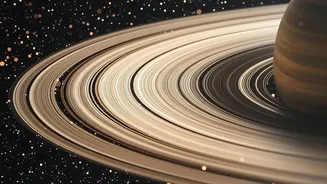
While ground-based telescopes are finding the distant irregulars, the legacy of NASA's Cassini mission continues to shed light on the small moons nestled within and near the rings. Before its dramatic final plunge into Saturn in 2017, Cassini made a series of daringly close flybys of tiny moons like Pan, Daphnis, and Atlas. Data revealed these moons are highly porous and have strange, ravioli-like shapes, with ridges of material accumulated around their equators. It appears they are actively scooping up ice and dust from the rings, essentially growing over time. The mission showed that this region is a dynamic and active system, where moons are both formed from ring material and sculpted by their constant interaction with it.
Why the Search Matters
Cataloguing these tiny worlds is more than just a numbers game. These small, irregular moons are like cosmic fossils. Because they are believed to be captured objects from the early solar system, their composition and orbits hold vital clues about the chaotic environment in which the planets themselves formed. They can help us understand the building blocks of planets and the history of collisions and migrations that shaped our solar system. The ongoing discoveries by missions like Cassini and powerful telescopes are revealing that the Saturnian system is a miniature laboratory for studying planetary formation, a complex and active world that still holds many secrets.