





Saag is more than just a dish; it's a winter tradition and a hug in a bowl for many across India. But have you ever wondered why your saag tastes different each time? The secret lies not just in the ingredients, but in how you cook it.
More Than Just Mustard Greens
First, let's clarify
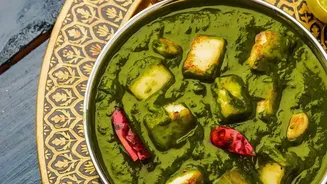
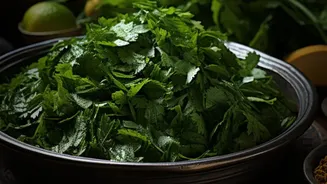
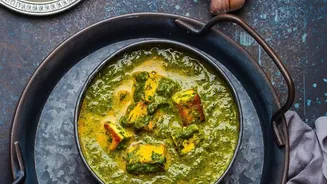
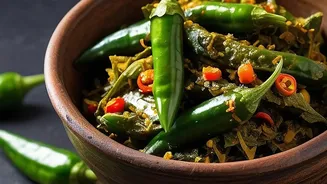
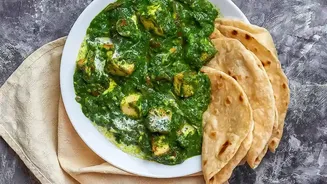
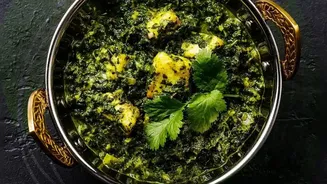
what 'saag' is. The word literally translates to 'leafy greens'. While Sarson ka Saag, made from pungent mustard leaves, is the most famous variant, saag can be made from a wide variety of greens like spinach (palak), fenugreek (methi), goosefoot (bathua), or amaranth (chaulai). Often, it's a mix of several greens, with mustard leaves providing a peppery kick and others like spinach balancing it with a milder flavour and creamier texture. The type of green you choose is the first step, but the cooking method is what truly defines the final dish.
The Slow Simmer: Flavour Over Speed
The most traditional method involves simmering the greens in a heavy-bottomed pot or a clay handi for hours. This 'slow and low' approach isn't just about making the leaves tender; it's about developing a deep, complex, and earthy flavour that you simply can't rush. As the greens cook down slowly, their flavours meld together with the ginger, garlic, and chillies, creating a rustic and robust taste. This method also results in a coarser, more textured saag, especially when mashed by hand with a wooden churner (ghotna). It’s a labour of love, but the resulting depth of flavour is unparalleled.
The Pressure Cooker: A Modern Time-Saver
For those who love saag but lack the hours to spare, the pressure cooker is a game-changer. This appliance drastically cuts down the cooking time, making tough greens like mustard leaves tender in a matter of minutes instead of hours. However, there is a trade-off. The high heat and speed can sometimes result in a less nuanced flavour profile compared to slow simmering. The greens also tend to become much softer, which often leads to a smoother, more puréed consistency once blended. It’s an efficient method perfect for a weeknight meal, delivering comfort without the long wait.
To Blend or Not to Blend?
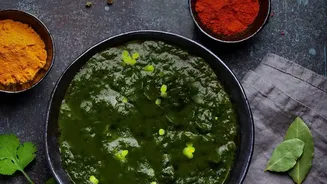
After the greens are cooked, the next choice is how to break them down. Using an immersion or jar blender will give you a very smooth, creamy, and almost uniform paste, similar to what you might find in restaurants. This method is quick and ensures no stringy bits are left. On the other hand, mashing the saag by hand with a potato masher or a traditional ghotna creates a more rustic, home-style texture. This leaves small, tender pieces of the greens intact, providing a varied and more interesting mouthfeel that many people prefer. Neither is right or wrong; it's purely a matter of textural preference.
Keeping it Green and Nutritious
One common challenge is preventing the vibrant greens from turning a dull olive colour. This colour change is a natural chemical reaction caused by heat and acids breaking down chlorophyll. To minimise this, you can blanch the greens in boiling water for a minute and then shock them in an ice bath before cooking. Cooking uncovered initially also allows some volatile acids to escape with the steam, helping preserve the colour. While some suggest adding a tiny pinch of baking soda to maintain the green hue, be cautious, as too much can affect the taste and make the greens mushy. From a nutritional standpoint, methods like steaming or using minimal water in a pressure cooker tend to retain more water-soluble vitamins, like Vitamin C, compared to prolonged boiling.
The Final Flourish: The Tadka
The cooking process isn't over when the greens are puréed. The final tempering, or 'tadka', is a crucial step that adds another layer of flavour. Sizzling ghee or oil with ingredients like chopped onions, garlic, ginger, and dried red chillies and pouring it over the saag at the end infuses it with a rich aroma and taste. Some recipes even call for a double tadka. This last step is not just a garnish; it's a final cooking method that brightens and elevates the entire dish, proving that even the finish can change everything.