




Lohagad Fort, Maharashtra: The Iron Fort in the Clouds
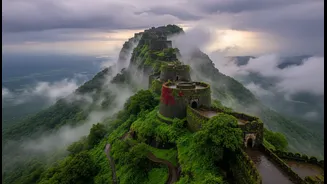
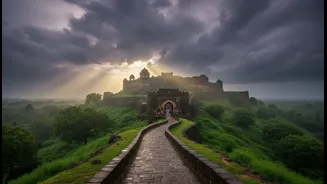
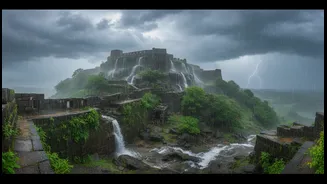
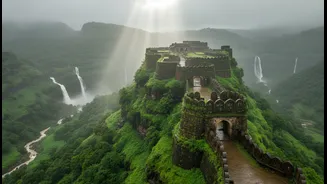
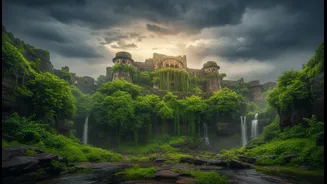
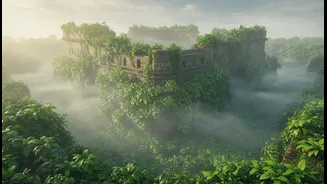
A classic for trekkers from Mumbai and Pune, Lohagad Fort becomes otherworldly during the rains. The name means 'Iron Fort', and it stands guard in the Sahyadri range near Lonavala. During monsoon, its winding paths and stone steps are often covered by
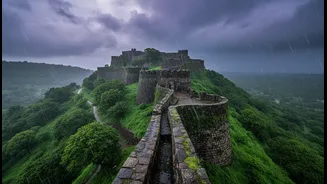
flowing water, and the entire structure is enveloped in a thick, moving mist. The highlight for many is the Vinchu Kata or 'Scorpion's Tail', a long, narrow ridge that offers breathtaking, if dizzying, views into the fog-filled valley below. The trek is considered beginner-friendly, making it one of the most popular monsoon getaways, but it's wise to wear shoes with good grip as the paths can get slippery. The reward is witnessing the hillsides turn a vibrant green, with small waterfalls appearing everywhere.
Rajmachi Fort, Maharashtra: A Trek Through Green Valleys
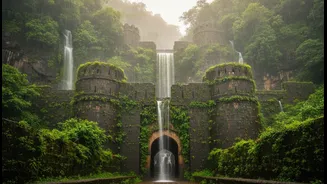
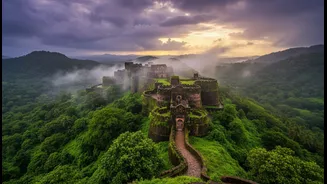
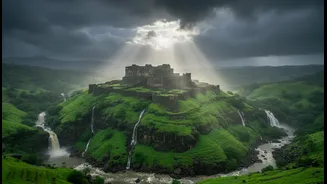
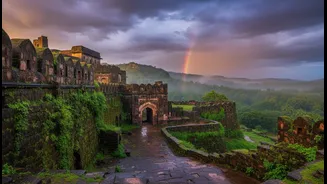
Rajmachi isn't just one fort but a twin structure—Shrivardhan and Manaranjan—perched above the village of Udhewadi. It's a beloved monsoon trek, accessible from both Lonavala and Karjat. The journey is as beautiful as the destination, with trails that wind through dense forests that come alive in the rain. Trekkers are greeted with gushing waterfalls, misty landscapes, and a profoundly serene atmosphere. While the trek is longer and can be muddy during the rains, the scenery is unparalleled. Rajmachi offers a complete monsoon experience, from its historic ramparts to the simple hospitality of the base village, making it a perfect escape into nature.
Kumbhalgarh Fort, Rajasthan: The Great Wall in the Sky
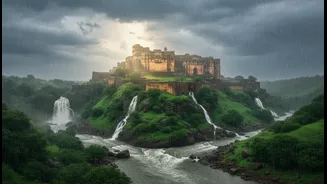
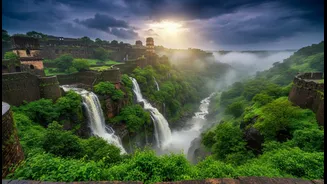
Often associated with its arid surroundings, Rajasthan reveals a different, greener side during the monsoon, and nowhere is this more evident than at Kumbhalgarh. This UNESCO World Heritage site is famous for its massive wall, the second-longest in the world, which snakes across the Aravalli Hills. In the rainy season, these hills shed their brown coat for a lush green one. The fort itself often seems to float above the clouds, earning its highest point the name 'Badal Mahal' or the Palace of Clouds. Standing on its ramparts, you can watch the mist roll through the valleys below, a surreal experience that completely redefines the popular image of Rajasthan.
Sajjangarh Palace, Rajasthan: The Monsoon Palace
As its name suggests, the Monsoon Palace, or Sajjangarh, was built with the rains in mind. Perched high on a hill in the Aravalli range overlooking Udaipur's lakes, Maharana Sajjan Singh built it in 1884 chiefly to watch the monsoon clouds roll in. It continues to serve this purpose beautifully for modern visitors. The journey up the winding road is an experience in itself, but the panoramic views from the top are the true prize. On a rainy day, you can see the clouds engulf the surrounding landscape, with stunning vistas of the rain-washed city and the shimmering Fateh Sagar Lake below, making it an essential stop for anyone visiting Udaipur during the monsoon.