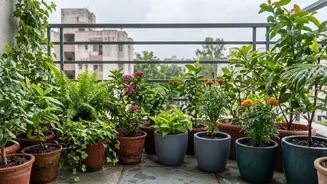








Start with the Roof and Terrace
Your home's first line of defence against rain is the roof. Before the first downpour, it is crucial to conduct a thorough inspection. Start by clearing the entire surface of debris like dried leaves, dust, and moss, which can block water flow and cause
pooling. Blocked drains are a leading, yet preventable, cause of leaks. Check all drainage outlets and pipes to ensure they are unclogged and sloped correctly to let water flow away freely. Pay special attention to the joints where parapet walls meet the roof slab, as these are common entry points for water. Look for visible cracks, however small, on the surface and in these joints. Sealing these hairline cracks with a quality waterproof sealant is an inexpensive but highly effective preventive measure. If your last waterproofing treatment was more than three years ago, consider applying a fresh coat.
Inspect Exterior and Interior Walls
Damp patches and peeling paint are often the first visible signs of water seeping through walls. Before the monsoon, carefully examine all exterior walls for cracks. Even hairline fissures can act as channels for rainwater, leading to moisture that damages your interiors and promotes mould growth. Filling these cracks is a priority. Applying a fresh coat of exterior-grade waterproof paint can provide a robust barrier against rain. Inside, look for any signs of bubbling paint or faint stains on ceilings, especially in rooms below a terrace or bathroom, as these indicate an existing leak that will only worsen during heavy rain. It's also wise to look for white, powdery deposits on lower walls, which signal rising dampness.
Secure All Doors and Windows
Wind-driven rain can easily find its way through small gaps around window and door frames, causing damage to walls and furniture. Check that all windows and doors shut properly and that there are no gaps in the sealant between the frame and the wall. Repainting metal frames and grills with an anti-rust coat can prevent corrosion and degradation. For wooden doors and windows that tend to swell in the humidity and get stuck, now is the time to have them serviced or planed for a snug fit. Consider installing durable awnings or sunshades over balconies and windows to provide an extra layer of protection, preventing water from splashing directly against them.
Prioritise Electrical Safety
The combination of water and electricity is a serious hazard during the monsoon. A pre-monsoon electrical check is non-negotiable. Have a professional electrician inspect your home's wiring for any frayed or exposed cables and ensure all connections are secure. Pay close attention to earthing, as proper grounding is vital to prevent shocks during power surges caused by lightning. Check that your Miniature Circuit Breakers (MCBs) and Residual Current Circuit Breakers (RCCBs) are functioning correctly; these devices are designed to cut off power in case of a fault and can be life-savers. It's also a good practice to unplug non-essential electronics during heavy thunderstorms to protect them from voltage fluctuations. Never touch switches with wet hands, and keep all electrical appliances away from open windows or areas prone to leaks.
Clear All Drains and Gutters
Clogged drains are a primary cause of waterlogging and flooding, both on your terrace and around your property. Before the rains, make sure to thoroughly clean all rainwater pipes, gutters, and drains. A mixture of leaves, plastic, and other debris can easily create a blockage, causing water to back up and overflow onto your roof or into your home. Stagnant water is also a breeding ground for mosquitoes, making this a crucial step for health and hygiene as well. Ensure that the drainage systems in your balconies and utility areas are also clear and functional. If you notice water accumulating in any flat areas, the drainage might be insufficient and may need re-evaluation.
Protect Indoor Spaces and Furniture
High humidity during the monsoon can wreak havoc indoors. Wooden furniture is particularly vulnerable, as moisture can cause it to swell, lose its shape, or develop mould. Applying a fresh coat of varnish or lacquer can help protect it. It's also a good time to wash and store heavy carpets and rugs, as they can trap moisture and develop a musty smell. Ensure proper ventilation throughout your home to combat humidity. When possible, open windows to allow fresh air to circulate. Use a dehumidifier if certain rooms feel particularly damp. Finally, conduct a pre-monsoon pest control treatment, as the damp weather encourages insects and termites to seek shelter in your home.