





The Science of a Smart Cool-Down
Stopping exercise abruptly can be a shock to your system. During a workout, your heart rate is high and your blood vessels are dilated to pump oxygen-rich blood to your muscles. If you suddenly stop, your heart rate can drop too quickly, causing blood to pool
in your lower extremities. This can lead to dizziness or even fainting. A cool-down, which involves about five to ten minutes of light activity like walking or slow cycling, allows your cardiovascular system to gradually return to its resting state. This gentle transition helps your body regulate blood pressure and heart rate safely, preventing post-exercise complications. It also kickstarts the recovery process by helping to flush out metabolic by-products like lactic acid from your muscles, which can aid in reducing stiffness.
Stretching for Flexibility and Relief
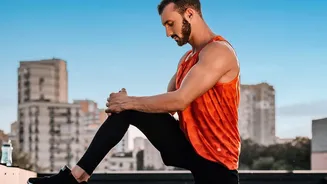
Once your heart rate has started to come down, it’s the perfect time for static stretching. When your muscles are warm, they are more pliable and receptive to stretching, which helps improve long-term flexibility and range of motion. Holding gentle stretches for 15 to 30 seconds can help lengthen muscle fibres that have been contracting throughout your workout. This not only feels good but also plays a role in alleviating the dreaded delayed onset muscle soreness (DOMS). While some research is mixed on the direct impact on soreness, regular post-workout stretching is widely recommended for maintaining joint health, preventing muscle imbalances, and reducing the overall risk of injury during future activities. Think of it as preparing your muscles for your next session.
Why You Must Change Wet Clothes
That feeling of accomplishment often comes with a sweat-soaked T-shirt. While it might feel like a badge of honour, staying in damp workout gear is an open invitation for a host of problems. Sweat creates a warm, moist environment that is a perfect breeding ground for bacteria and fungi. Lingering in these clothes can lead to skin irritation, chafing, and unpleasant body odour. More seriously, it can cause clogged pores, leading to acne on your chest, back, or other areas. For women, sitting in damp, tight-fitting leggings significantly increases the risk of developing yeast infections, as yeast thrives in such conditions. The best practice is to change and shower as soon as possible after a workout.
Protecting Your Immune System
Beyond skin-deep issues, staying in wet clothes after a tough workout can have a broader impact on your health. As your body cools down, damp clothing can cause you to become chilled quickly. This rapid drop in body temperature can place unnecessary stress on your immune system, which may already be partially suppressed immediately following intense exercise. This can make you more susceptible to catching a cold or other illnesses. Changing into dry, comfortable clothes helps your body regulate its temperature more effectively, allowing it to transition back to a state of rest without expending extra energy to stay warm. This simple step supports your immune system and ensures your body can focus all its resources on muscle repair and recovery.