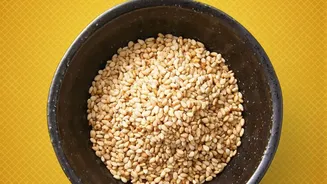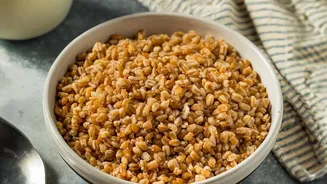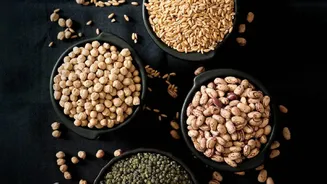





It’s a simple, five-minute step that many home cooks skip, but it’s the secret to unlocking a new dimension of flavour in your everyday meals. Toasting ancient grains before boiling them transforms their taste from simply earthy to deeply nutty.
The Science of Flavour
So, what’s
happening in the pan? The magic behind this technique is the Maillard reaction, a complex chemical process that occurs when the amino acids and sugars in food are exposed to high, dry heat. It’s the same reaction responsible for the golden-brown crust on bread, the sear on a steak, and the rich aroma of roasted coffee. When you toast grains, this reaction creates hundreds of new flavour and aroma compounds that simply weren't there before. It swaps the raw, sometimes grassy taste of grains for a deeper, more complex, and satisfying roasted character. This simple step elevates the grain from a plain accompaniment to a standout ingredient in its own right.
How to Toast Your Grains
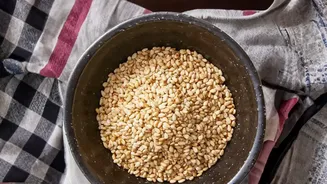
Toasting is incredibly simple and can be done in two primary ways. The most common method is on the stovetop. Heat a large, dry, heavy-bottomed skillet over medium heat. Add your rinsed and dried grains in a single layer. There's no need for oil; a dry toast is what you're after. Stir the grains frequently for about three to five minutes. You'll know they're ready when they become fragrant, smelling distinctly nutty, and turn a shade or two darker. Some smaller grains like millet or amaranth might even start to pop like tiny popcorn. Be watchful, as there's a fine line between toasted and burnt, which will impart a bitter taste. Alternatively, for larger batches, you can toast grains in the oven. Spread them on a rimmed baking sheet and bake at 350°F (175°C) for 15 to 20 minutes, stirring halfway through. This method takes longer but reduces the risk of burning. Once toasted, you can proceed with boiling them as you normally would.
Which Grains Benefit Most?
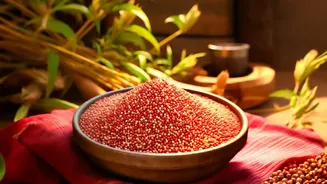
While you can toast nearly any grain, some are transformed more dramatically than others. Quinoa, which can sometimes have a slightly bitter or plain flavour, becomes wonderfully nutty and its texture a bit firmer. It’s important to rinse quinoa thoroughly before toasting to remove its natural coating, called saponin, which can taste soapy. Farro, also known as emmer, already has a naturally nutty and chewy character that deepens beautifully with toasting, making it perfect for rustic salads and pilafs. Millet, a small, gluten-free grain, sheds its mildness for a flavour often compared to toasted corn. Amaranth, another tiny powerhouse, develops a peppery, earthy complexity. Other grains like spelt, freekeh, and even common barley also benefit greatly from this quick pre-cooking step, gaining an extra layer of flavour that enhances any dish they're in.
Putting Toasted Grains to Use
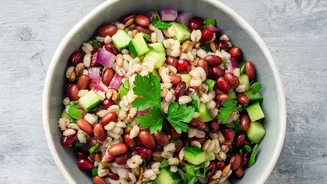
Once your grains are toasted and cooked, their enhanced flavour makes them more versatile than ever. Use them as a robust base for grain bowls, where their nutty character can stand up to bold dressings and toppings. Toasted quinoa or farro makes for a far more interesting salad than its un-toasted counterpart. Stir them into soups and stews to add texture and a deeper, savoury note that enriches the entire pot. You can even use toasted grains to create more flavourful porridges or as a crunchy topping for yoghurt and smoothies. The deeper flavour means you might not need to rely as much on heavy sauces or seasonings to make your grain dishes shine, letting the natural, enhanced taste of the grains take centre stage.