




The Cardio and Calorie Question
When it comes to pure calorie burn, running often has the edge. A vigorous run can burn significantly more calories per hour than most forms of social dancing. Running is a high-impact, efficient cardiovascular exercise designed for forward propulsion.
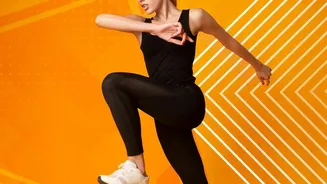
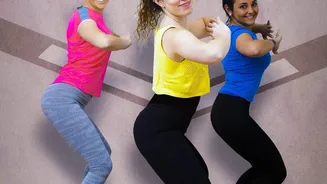
However, this doesn't tell the whole story. High-energy dance styles like street dance or even a lively Bollywood session can burn a surprising number of calories, sometimes rivaling a light jog. The difference lies in the movement. Running is linear and rhythmic, while dancing involves constant acceleration, deceleration, and movement in all directions, which can be less energy-efficient for the body and thus burn a lot of fuel.
Strength, Tone and Coordination
Running is fantastic for building powerful lower-body muscles, particularly the quadriceps and hamstrings. It creates strong, lean legs built for endurance. Dancing, on the other hand, offers a more comprehensive, full-body workout. It engages the core, arms, back, and legs simultaneously, often in ways that traditional exercise doesn't. The fluid, varied movements of dance build functional strength, improve balance, flexibility, and coordination in a way that the repetitive motion of running can't match. This leads to a different kind of muscle definition, often described as more compact and toned throughout the body.
The All-Important Consistency Factor
The best exercise is the one you actually do. This is where dancing shines for many. For those who find the repetitive nature of running a chore, dancing offers novelty and fun. The combination of music, social interaction, and creativity can make it feel less like a workout and more like a hobby. This enjoyment factor is a powerful motivator, making it easier to build a consistent habit. Running appeals to those who enjoy solitude, clear metrics, and the mental challenge of pushing through discomfort. The 'runner's high' is a well-known psychological benefit, but dancing has a similar effect, boosting mood and reducing feelings of fatigue, often with a stronger social component.
Aligning With Your Fitness Goals
Your personal fitness goals should guide your choice. If your primary goal is training for a marathon, improving your 5k time, or maximizing calorie burn in the shortest window, running is the more direct path. It is a targeted tool for building cardiovascular endurance and leg strength. If your goals are more holistic—improving full-body coordination, increasing flexibility, boosting your mood, and finding a sustainable, enjoyable form of activity—dance might be a better fit. It excels at improving body awareness and provides mental engagement by requiring you to learn steps and rhythms.
Accessibility and Injury Risk
Running has a low barrier to entry; you just need a good pair of shoes and a safe place to run. However, its high-impact nature can be tough on joints like knees and ankles. While moderate running can actually be beneficial for joint health, improper form or overtraining increases injury risk. Dancing can be more gentle on the body. Many forms, like ballroom, are low-impact, making them a great option for those with joint sensitivities. That said, high-intensity dance with jumps and sharp turns also carries a risk of sprains, particularly in the ankles and knees, if not done with proper technique.