


The Race Against Rising Temperatures
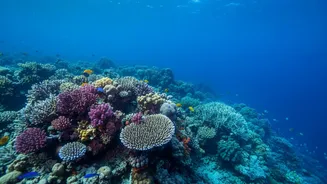
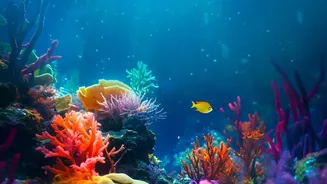
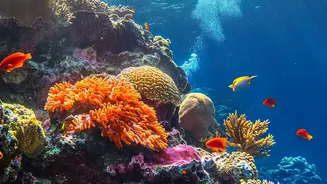
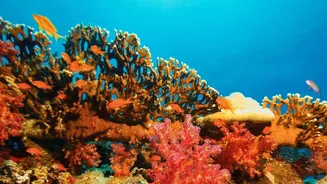
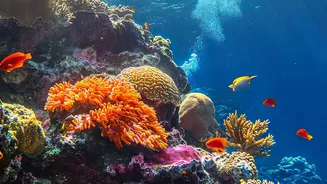
Coral reefs, the vibrant underwater cities that support a quarter of all marine life, are in crisis. When ocean temperatures rise, corals become stressed and expel the symbiotic algae living in their tissues, which provide them with both food and colour.
This process, known as coral bleaching, leaves behind a ghostly white skeleton. While corals can recover from bleaching, prolonged or severe heatwaves lead to mass starvation and mortality, threatening ecosystems and the coastal communities that depend on them. In the face of this global challenge, scientists are not just documenting the loss; they are actively searching for nature's own solutions, hidden within the corals that manage to survive.
Finding the Natural Survivors
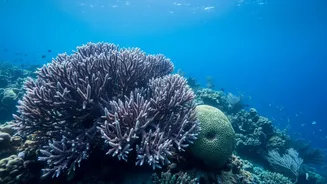
The first step is a global hunt for naturally resilient corals. Scientists venture to reefs that have already endured extreme conditions, seeking out the colonies that remain healthy amidst a sea of bleached neighbours. These survivors are often found in unusually warm waters, such as shallow lagoons or areas of the Red Sea, where they have naturally adapted to higher temperatures over generations. By identifying these pockets of resilience, researchers can pinpoint which species and which individuals possess the genetic lottery ticket for heat tolerance. Samples are carefully collected from these hardy corals, which then become the foundation for all the research that follows.
A 'Boot Camp' for Corals
Back in the lab, these coral samples are put through a rigorous series of tests. In advanced facilities like the National Sea Simulator, scientists can recreate the ocean conditions of the future. This is where 'thermal conditioning' or 'stress hardening' takes place. Corals are exposed to gradually increasing temperatures in controlled tanks. This process acts like a workout, encouraging the corals to build up their physiological defenses against heat stress. The goal is to see which ones can withstand the heat and how they do it, essentially giving them a training regimen to prepare for future marine heatwaves. Some studies also explore whether these acquired traits can be passed down to their offspring.
Unlocking the Genetic Code
What makes one coral tougher than another often lies in its DNA. Using cutting-edge genomic techniques, scientists sequence the genes of these thermally tolerant corals to identify the precise biological mechanisms behind their resilience. This molecular deep-dive helps researchers understand which genes are responsible for heat tolerance, how they function, and how they are passed on. Beyond the coral itself, scientists also study its symbiotic partners, including the algae and bacteria living with it. Sometimes, resilience comes from hosting a more heat-tolerant type of algae or a beneficial community of microbes, similar to a healthy gut microbiome.
Accelerating Natural Selection
Armed with this knowledge, scientists are pioneering a field known as 'assisted evolution'. This is not about creating unnatural organisms, but about speeding up natural processes that might otherwise take too long to keep pace with climate change. One key method is selective breeding. During the annual spawning events, researchers cross-breed the most heat-tolerant parent corals, hoping to produce offspring with enhanced survival traits. In other experiments, they create hybrids by crossing different coral species to increase genetic diversity and potentially create new, more robust combinations.
From Lab to Living Reef
The ultimate test of this research is whether these 'super corals' can survive and thrive in the wild. Lab-grown, stress-hardened, and selectively bred corals are fragmented and planted in underwater nurseries. After growing, they are carefully transplanted onto degraded reefs. This process, known as outplanting, is a critical step to see if laboratory success translates to real-world restoration. Monitoring these new corals helps scientists refine their techniques and understand the long-term effectiveness of their interventions. However, experts caution that this is not a silver bullet; it must be combined with global efforts to combat climate change and protect reefs from local threats like pollution.