






For many swimmers, breathing feels like a frantic interruption rather than a natural part of the stroke. But mastering breath control is the secret to unlocking efficiency, endurance, and a calmer, more powerful experience in the water.
The Foundation of Efficient Swimming
Proper breathing
is much more than just getting air; it's the cornerstone of good swimming technique. When you can't breathe correctly, your entire stroke falls apart. Irregular breathing breaks your rhythm, causing you to feel exhausted after just a few laps. Conversely, effective breath control keeps your body streamlined, reduces drag, and helps you maintain a steady, powerful rhythm. By syncing your breath with your movements, you deliver a consistent supply of oxygen to your muscles, which delays fatigue and allows you to swim for longer with less effort. It also has a mental benefit, promoting a state of calm focus and reducing anxiety in the water.
Common Mistakes to Avoid
Many swimmers, from beginners to experienced athletes, fall into the same traps. The most common error is holding the breath while the face is in the water. This creates tension, leads to a buildup of carbon dioxide, and results in a panicked, gasping inhale. Another frequent mistake is lifting the head too high or forward to breathe instead of rotating it to the side with the body. This simple action causes the hips and legs to sink, disrupting your body alignment and creating significant drag that slows you down. Finally, many swimmers don't exhale fully underwater, which means their lungs are still partially full of old air when they turn to inhale, leading to short, unsatisfying breaths.
The Core Technique: Exhale Underwater
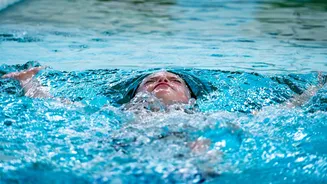
The single most important principle of swim breathing is to exhale continuously and completely while your face is submerged. Think of it as gently blowing bubbles through your nose and mouth. This clears your lungs of carbon dioxide, so when you turn your head to breathe, you only need to focus on a quick, relaxed inhalation. This prevents the rushed, panicked feeling many swimmers experience. A simple way to practice this is by holding onto the side of the pool, putting your face in the water, and just practicing a steady exhale, followed by turning your head to the side for a calm inhale. This separates the breathing action from the complexity of the full stroke, helping you build muscle memory.
Drills for Better Breath Control
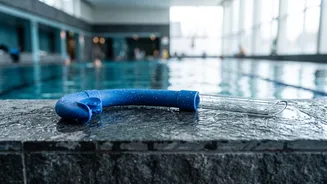
Once you are comfortable exhaling underwater, you can integrate specific drills into your practice. One of the most effective is bilateral breathing, which involves alternating breathing sides, typically every three strokes. This practice is crucial for developing a balanced and symmetrical freestyle stroke, as it ensures you rotate your body evenly to both sides. This balanced rotation prevents muscle imbalances, helps you swim in a straighter line, and reduces the risk of shoulder strain. To start, you might use a pull buoy to isolate your upper body and focus solely on breathing every three strokes. As you advance, you can practice breathing patterns, alternating between breathing every three, five, or even seven strokes to build lung capacity and control.
Finding Your Rhythm
Ultimately, the goal is to make your breath an integrated, seamless part of your stroke, not a separate, disruptive event. In freestyle, the breath should be timed with your body's natural rotation. As one arm recovers over the water, your torso and shoulders rotate; your head should simply follow that movement just enough for your mouth to clear the water for a quick inhale. Avoid the urge to lift your head, which breaks this fluid motion. By focusing on exhaling fully underwater and timing your inhale with your body's roll, your breathing will start to feel effortless. It will no longer be a source of struggle but the very rhythm that propels you smoothly and efficiently through the water.