




The Anatomy of a National Craving
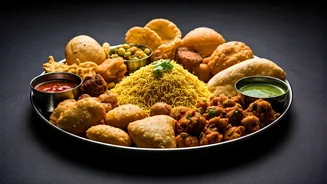
At its heart, 'chatpata' is a flavour profile, not a single dish. The term itself is derived from the Hindi word 'chaatna', meaning 'to lick', which perfectly captures its irresistible nature. It's a culinary masterpiece of balance, a riot of sensations
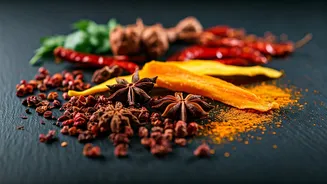
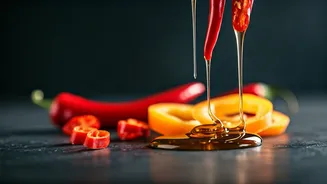
that typically involves the tang of amchur (dried mango powder), the sulphuric punch of kala namak (black salt), the sweetness of tamarind, and the heat of chilli. Historically, chaat—the family of snacks that best embodies this flavour—is said to have originated in the Mughal era, possibly as a way to make water safer by combining it with immunity-boosting spices. It’s a flavour designed to make you take notice, where each bite is a journey. Food experts note that the ideal experience unfolds in stages: the salt hits first, followed by the tang, and finally, the chilli.
The 2026 Flavour Maximalism Boom
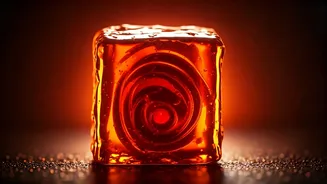
While chatpata has always been a beloved part of India's street food culture, 2026 is witnessing its ascent into the mainstream with unprecedented force. The Godrej Food Trends Report 2026 identifies 'chatpata piquant flavours' as a dominant trend, noting that India is doubling down on its 'teekha-chatpata roots'. This isn't about subtlety; it's about "flavour maximalism." The report predicts a rise in "flavour-collision" dishes and mashups that create unapologetic, layered profiles and multi-sensory experiences. This trend is visible everywhere: from major brands like ITC launching digital campaigns for 'chatpata' flavoured jellies to appeal to younger, digital-native audiences, to the rise of 'namkeen' (savoury) protein bars that adopt the bold flavours of Indian street food. This move away from sweet-centric snacks indicates that the Indian palate is driving the functional food market towards more traditional, spicier profiles.
A Signal of Confidence and Adventure
So, what does this collective craving for intensity signal? A desire for bold, complex, and stimulating flavours can often mirror a wider cultural mood. The move towards flavour maximalism suggests a generation that seeks adventure in every bite. This 'more is more' philosophy can be seen as an anti-minimalist statement, reflecting a desire for dynamic, multi-layered experiences not just in food, but in life. In times of uncertainty, consumer preferences often shift towards simple, nostalgic comfort foods. However, the embrace of complex and unapologetically bold flavours like chatpata could be interpreted as a sign of consumer confidence and a willingness to experiment. This trend is expanding beyond metro areas, with premium and novel products finding markets in Tier-2 and Tier-3 cities, indicating a broader shift in consumer behaviour.
From Street Stalls to Gourmet Plates
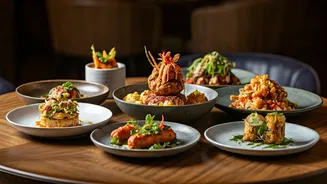
The chatpata signal is not just confined to packaged snacks and street carts; it's being amplified in the world of modern Indian cuisine. Renowned chefs are reinterpreting street food, elevating dishes like pani puri and chaat into gourmet experiences for fine dining menus globally. This isn't about fusion, but about showcasing the complexity and sophistication inherent in Indian flavours. Chef Manish Mehrotra, a pioneer of modern Indian cuisine, frequently draws on the nostalgia of street food, re-imagining traditional chaat for a global audience while preserving its original flavours. This culinary movement highlights that chatpata is not just a flavour, but a versatile culinary concept that can be both a humble street snack and a sophisticated, Michelin-star-worthy creation.