





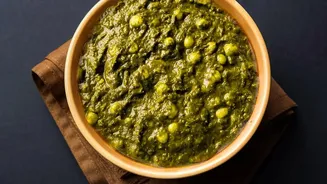
Nothing says comfort quite like a warm bowl of saag. But this beloved dish is more than just a single recipe; it's a whole category of leafy green preparations that holds a special place in the heart of Indian cuisine.
More Than Just a Dish
In Indian cuisine, 'saag' is a broad
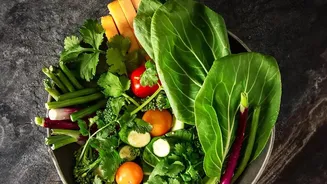
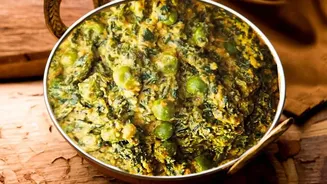
term derived from the Sanskrit word 'shaak', which simply means leafy greens. It refers not to one specific dish, but to a category of slow-cooked preparations where greens are stewed with spices until they become a soft, velvety delight. While many immediately think of the famous Punjabi 'Sarson ka Saag', the world of saag is vast and varied, encompassing everything from spinach (palak) and fenugreek (methi) to amaranth (chaulai) and lamb's quarters (bathua). It’s a culinary technique at its core, one focused on transforming fibrous, sometimes bitter leaves into a deeply savoury and comforting meal. This versatility is its strength, allowing cooks across India to use whichever greens are fresh, local, and in season.
The Punjabi Superstar: Sarson Ka Saag
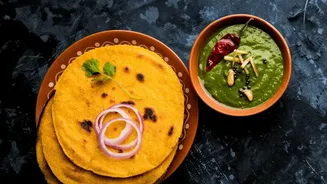
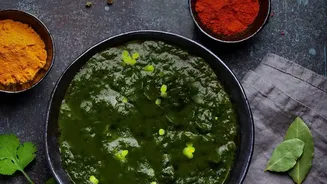
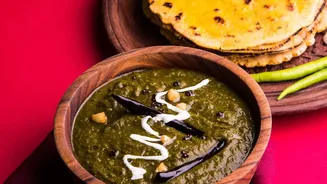
The most iconic version is undoubtedly Sarson ka Saag, a dish synonymous with the Punjab region of India and Pakistan. Made primarily from mustard greens (sarson), it is a winter specialty, as mustard is a cold-weather crop. The sharp, peppery taste of the mustard leaves is traditionally balanced by adding milder greens like spinach (palak) or bathua, which also contribute to its creamy texture. The greens are slow-cooked for hours with ginger, garlic, and green chillies. The dish is often thickened with a bit of maize flour (makki ka atta) and finished with a generous dollop of white butter or ghee. This rich, earthy dish is almost always served with Makki di Roti, a rustic flatbread made from maize flour, creating a pairing that is celebrated across North India.
A Pan-Indian Celebration of Greens
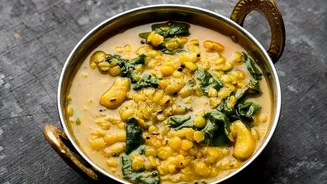
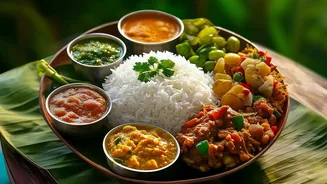
While Sarson ka Saag holds the spotlight, different regions of India have their own beloved versions. In Bengal, you might find 'Kochu Shaak' made from colocasia (arbi) leaves or a fish saag combining greens with fish in a tangy curry. The Sindhi community enjoys 'Sai Bhaji', a nutritious one-pot meal that combines spinach with lentils and other vegetables. In Odisha, 'Gundi Saag' or 'Kosalā Sāga' (from amaranth leaves) are local staples. From the 'Hara Chana Saag' of Uttar Pradesh to the 'Paal Saag' of Tamil Nadu, which uses spinach and coconut, each variation reflects the local palate and available produce. This diversity showcases saag not just as a dish, but as a culinary concept embraced across the subcontinent.
A Bowlful of Nutrition
Beyond its comforting taste, saag is a nutritional powerhouse. Leafy greens are packed with vitamins A, C, and K, along with essential minerals like iron, calcium, and magnesium. Sarson ka Saag, for instance, is exceptionally high in vitamin K, crucial for bone health, and antioxidants that support cardiovascular health. The high fibre content aids digestion, while the low calorie count makes it a healthy choice. Traditionally, saag is cooked with fats like ghee or butter. This isn't just for flavour; many vitamins in leafy greens are fat_soluble, meaning the body needs fat to absorb them effectively. This ancient wisdom turns a simple dish into a complete, nourishing meal.
The Essence of Comfort
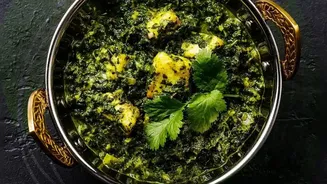
So, what makes saag the ultimate comfort food? The answer lies in its connection to home, tradition, and the seasons. It is a dish that cannot be rushed; the long, slow cooking process is an act of patience and care that fills the kitchen with familiar aromas. For many, saag evokes warm childhood memories of winter, when fresh greens were abundant and family members would gather to prepare large batches. Its hearty, warming nature provides a sense of grounding and stability. Whether it's the rich creaminess of Palak Paneer or the robust earthiness of Sarson ka Saag, each spoonful carries a feeling of being nourished and cared for, making it more than just food—it's a feeling of home.