






A Vision for a More Connected India
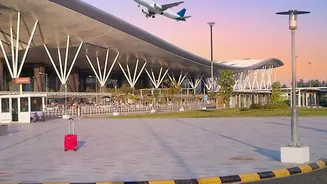
The government has announced a bold initiative to construct 100 new airports over the next decade, backed by an investment of approximately ₹30,000 crore. This plan is a core component of the Modified UDAN (Ude Desh ka Aam Naagrik) scheme, which will
run from the financial year 2026-27 to 2035-36. The number of operational airports in India has already more than doubled, growing from 74 in 2014 to 166 today, and this next phase aims to accelerate that growth. Civil Aviation Minister K Rammohan Naidu stated that the goal is to make air travel more accessible and move beyond simply adding capacity in major metropolitan hubs. The focus is now squarely on the nation's Tier-2, Tier-3 cities, Himalayan states, island territories, and other remote regions where demand for air connectivity is surging.
Beyond the Metros: The Economic Ripple Effect
The strategy is about more than just convenience; it's a calculated move to foster balanced regional growth. By connecting smaller cities, the government aims to unlock economic potential, boost tourism, and generate local employment. When an airport arrives in a smaller town, it doesn't just bring tourists; it brings business opportunities, improves access to healthcare and education, and facilitates trade. The demand is no longer limited to major urban centres. According to officials, communities across the country, from the islands of Lakshadweep and Andaman to remote Himalayan districts, are asking for airports, seeing them as a vital link to modern India. This infrastructure push is designed to meet that demand and integrate these areas more deeply into the national economy.
Building on the UDAN Legacy
This new plan is an evolution of the original UDAN scheme, which was launched in 2016 to make air travel affordable for the masses. The initial phases of UDAN successfully connected numerous unserved and underserved airports, heliports, and even water aerodromes, giving millions of people their first taste of air travel. However, the scheme also faced significant challenges. A 2023 audit by the Comptroller and Auditor General found that a large percentage of awarded routes never became operational, and many that did were not financially sustainable beyond the initial subsidy period. The Modified UDAN scheme appears designed to address these shortcomings, with specific funds allocated not just for building airports, but also for providing longer-term financial support to airlines operating on these regional routes to ensure their viability.
Hub-and-Spoke: A Smarter Approach to Connectivity
A key component of this new strategy is the expansion of the 'hub-and-spoke' model. This system aims to seamlessly connect passengers from smaller, regional 'spoke' airports to major domestic and international 'hub' airports. Instead of having to book separate flights and go through repeated baggage and security checks, passengers can travel from a Tier-2 or Tier-3 city through a hub like Delhi, Varanasi, Amritsar, or the newly added Ahmedabad, and onto their final destination. This model makes international travel more accessible for people outside major metros and is intended to help make the new regional routes more viable by feeding passenger traffic into the larger aviation network. The government plans to extend this model to 22 more airports, transforming the country into a more integrated global aviation hub.
The Road Ahead: Challenges and Opportunities
While the vision is ambitious, the path to building 100 airports in a decade is filled with potential hurdles. The primary challenge is ensuring that the new airports and the routes they serve are commercially sustainable in the long run. This depends on factors beyond just building a runway; it requires consistent passenger demand, economic activity in the region, and operational efficiency from airlines. Issues like land acquisition, environmental clearances, and developing supporting infrastructure around the new airports will also need to be managed effectively. However, the plan's focus on providing viability gap funding and fostering a hub-and-spoke network shows an awareness of past difficulties. If successful, this aviation boom could fundamentally change how people in smaller Indian cities live, work, and travel.