






Your Gut and Brain are Connected
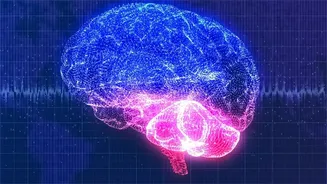
It might sound strange, but your gastrointestinal system and your brain are in constant communication. This is known as the gut-brain axis, a complex network that links your digestive tract with your central nervous system. Think about the 'butterflies'
you feel when you're nervous or a 'gut feeling' you have about something—that's the gut-brain axis at work. This bidirectional highway means that your emotional and cognitive centers can influence your gut, and conversely, what happens in your gut can significantly affect your mood, focus, and overall sense of well-being. The key players in this connection are the trillions of microorganisms living in your gut, collectively known as the gut microbiome.
Understanding Probiotics: The Good Bacteria
Probiotics are the 'good guys' in your gut microbiome. These are live, beneficial bacteria and yeasts that help keep your digestive system balanced and healthy. When you consume them, you're essentially reinforcing your gut's population of helpful microbes. A healthy microbiome does more than just aid digestion; it plays a crucial role in immune function and, importantly, in regulating the gut-brain axis. Research has shown that a gut rich in diverse, beneficial bacteria can positively influence mental health by helping to produce neurotransmitters. For instance, a significant portion of serotonin, the 'happy chemical' that regulates mood, is produced in the gut. Studies suggest that regular intake of probiotics may help alleviate symptoms of anxiety and depression and even improve cognitive function.
Fermentable Fiber: Fuel for Your Gut
Probiotics can't do their job alone; they need fuel to thrive. That's where fermentable fiber comes in. This type of fiber, also known as prebiotic fiber, isn't digested by your body but instead travels to the colon where it is fermented by your gut bacteria. This fermentation process is vital because it produces compounds called short-chain fatty acids (SCFAs). These SCFAs are metabolic powerhouses. They help maintain a healthy gut lining, reduce inflammation, and serve as signaling molecules that can influence brain function. By feeding the beneficial bacteria, fermentable fiber ensures your gut microbiome remains robust and capable of supporting everything from your immune system to your mental clarity.
How It All Improves Mood and Focus
When you eat both probiotics (the bacteria) and fermentable fiber (their food), you create a synergistic effect that directly benefits your brain. The SCFAs produced during fermentation can cross the blood-brain barrier, influencing brain chemistry. They help regulate the production of key neurotransmitters like serotonin and dopamine, which are essential for mood stability, motivation, and focus. Furthermore, a healthy gut microbiome helps reduce systemic inflammation, which has been linked to depression, anxiety, and cognitive fog. By nourishing a healthy gut environment, you are essentially creating the right conditions for your brain to function optimally, leading to better emotional regulation and sharper cognitive performance.
Foods to Add to Your Diet
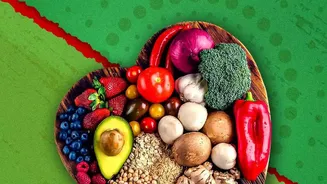
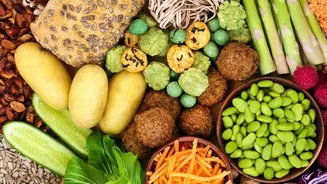
Incorporating these nutrients into your diet is easier than you think. Focus on whole foods to get the most benefit. For Probiotics, look for fermented foods like: - Yogurt and Kefir: Choose plain versions with 'live and active cultures'. - Sauerkraut and Kimchi: These fermented cabbage dishes are packed with beneficial bacteria. - Miso and Tempeh: Fermented soy products that are great in soups and other dishes. - Kombucha and Pickles: Make sure pickles are naturally fermented, not just soaked in vinegar. For Fermentable Fiber, reach for a variety of plant-based foods such as: - Onions, Garlic, and Leeks: These are potent prebiotics. - Asparagus, Artichokes, and Carrots. - Apples, Bananas, and Berries. - Oats, Barley, Lentils, and Beans.