




The festive season is no longer just about one big annual vacation. A new travel trend is taking hold across India: the quick weekend drive. More people are packing their bags for short, spontaneous road trips, transforming nearby towns into thriving
hubs.
The Rise of the 'Drivable Destination'
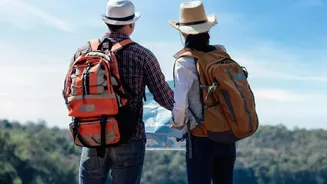
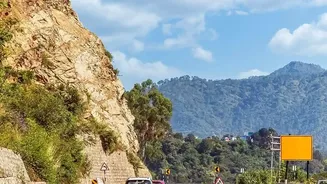
Forget month-long planning and expensive flights. The new mantra for festive holidays is to get in the car and drive. An increasing number of Indian travellers are opting for destinations within a few hundred kilometres of their homes. This shift is redefining weekend getaways, with reports showing that trips under two days now account for a significant majority of leisure travel. Instead of one long break, people are taking multiple short ones, especially around long weekends which see major spikes in travel. This trend isn't just about convenience; it’s a fundamental change in how people approach their time off, prioritising frequency and flexibility over duration. Routes connecting major cities to smaller towns like Delhi-Dehradun, Chennai-Puducherry, and Bengaluru-Mysuru are seeing some of the fastest growth in travel.
Why Now? A Perfect Storm of Factors
Several factors are fuelling this road trip renaissance. The post-pandemic era has left travellers with a greater appreciation for safety and personal space, making private vehicles more appealing than crowded public transport. This, combined with the rise of remote and flexible work schedules, has untethered many from the need to save all their leave for a single big trip. Furthermore, India's rapidly expanding highway network has been a game-changer. With the national highway network growing by over 60% since 2014, journeys that once took a whole day can now be completed in a few hours, making spontaneous trips more feasible and less tiring. Add to that the rising costs of air travel and the hassle of train journeys, and it's easy to see why hitting the road has become the default choice for many.
A Lifeline for Regional Economies
This boom in domestic road travel is proving to be a powerful engine for regional development. As travellers venture into smaller towns and Tier-2 cities, they bring a vital stream of income that supports a wide ecosystem of local businesses. Homestays, boutique hotels, local restaurants, and artisans in places like the Himalayas, the Konkan coast, and various heritage towns are all benefiting. Tourism is a significant contributor to India's GDP, and with domestic tourists accounting for the vast majority of visitor spending, these short trips are creating jobs and stimulating growth in areas that previously saw little tourist traffic. This shift is helping to decentralise tourism, moving it beyond the traditional hotspots and fostering more sustainable, community-level economic resilience.
What Today's Traveller Is Seeking
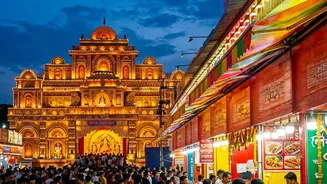
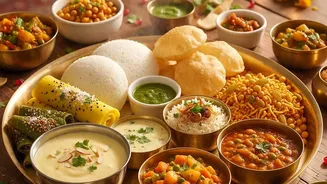
Modern road-trippers are looking for more than just a change of scenery; they're seeking authentic experiences. The focus has shifted from ticking off crowded landmarks to immersing in local culture. This includes everything from gastrostourism, with foodies seeking out regional culinary gems, to wellness retreats and naturendfocused escapes in hill stations or coastal villages. Travellers are increasingly looking for unique stays and personalised itineraries that allow them to connect with the place they are visiting. Many are also using these trips to experience regional festivals firsthand, from Durga Puja in Kolkata to Dev Deepawali in Varanasi, turning cultural events into travel opportunities. This desire for meaningful experiences is driving traffic to offbeat destinations known for their heritage, natural beauty, or spiritual significance.