





The Old 'Calorie is a Calorie' Myth
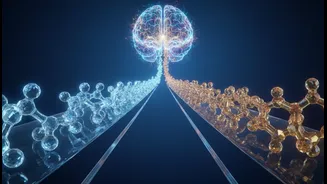
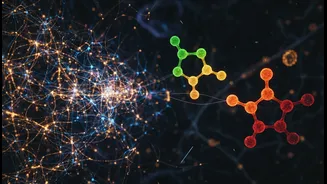
For decades, the dominant view in nutrition was that a calorie is a calorie, regardless of its source. In this framework, the simple sugars glucose and fructose were seen as largely interchangeable. Both provide the same amount of energy—four calories
per gram. Glucose is the body's primary fuel, found in starchy foods and used by virtually every cell for energy. Fructose, the sugar found naturally in fruits, is metabolized differently, mainly in the liver. While table sugar (sucrose) is a 50-50 mix of the two, the rise of high-fructose corn syrup in processed foods has dramatically increased our fructose consumption. The assumption was that as long as calorie counts were managed, the type of sugar didn't matter much. This new wave of research challenges that fundamental belief.
A Gut Feeling About Sugar
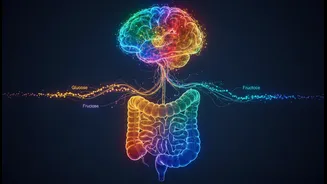
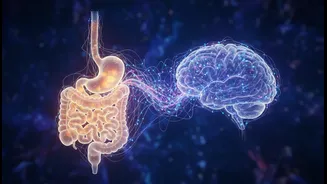
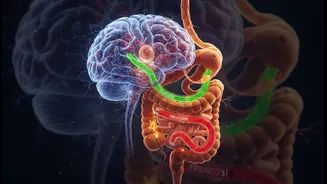
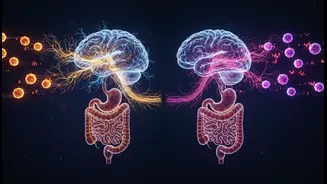
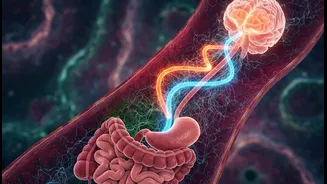
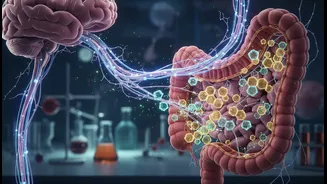
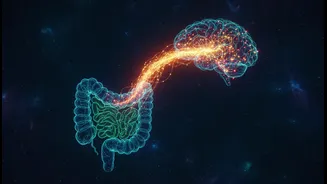
The latest science focuses on the gut-brain axis, an intricate communication network that constantly sends messages between our digestive system and our central nervous system. It turns out our gut is much smarter than we thought. Recent studies, including notable research from the Monell Chemical Senses Center, have revealed that the gut can tell the difference between glucose and fructose and sends entirely different signals to the brain in response. This discovery is pivotal. It suggests our body doesn't just count calories; it assesses the type of nutrient it's receiving and adjusts our feelings of hunger and fullness accordingly.
Two Sugars, Two Different Messages
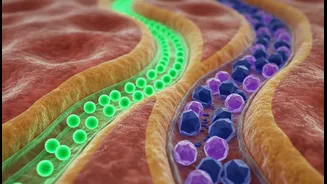
When you consume glucose, it triggers a strong response. It stimulates the release of insulin, which helps move the sugar into your cells for energy. It also prompts a clear signal of satiety, or fullness, to be sent to the brain, telling it to reduce the activity of hunger-promoting brain cells. In essence, glucose tells your brain, "We've been fed, you can stop feeling hungry now." Fructose, however, tells a different story. Research shows it sends a much weaker fullness signal. It doesn't trigger a significant insulin release and is less effective at suppressing ghrelin, the 'hunger hormone'. Studies on mice found that fructose communicates with the brain via a separate, less effective pathway, leading to only a modest reduction in the activity of hunger-driving neurons.
Why Fructose Can Lead to Overeating
The implications of this signaling difference are profound. Because fructose doesn't effectively tell your brain you're full, it can be easier to over-consume fructose-sweetened foods and drinks. Brain imaging studies have shown that after consuming fructose, the brain's reward centers show greater reactivity to food cues, potentially increasing your desire for more food. This may explain why diets high in added fructose and high-fructose corn syrup are consistently linked with weight gain, metabolic issues, and fatty liver disease. The weak satiety signal, combined with a heightened reward response, creates a perfect storm for overconsumption, completely independent of the calorie count.
Rethinking Dietary Advice
This research is set to reshape nutritional guidelines. Instead of a blanket condemnation of all sugars, advice will likely become more nuanced, focusing on the source and type of sugar. The message is shifting from simply cutting sugar to specifically reducing added sugars, especially those in liquid form like sodas and even fruit juices, which deliver a rapid, concentrated dose of fructose without the fibre of whole fruit. The World Health Organization's recommendations to limit free sugars already align with this thinking. Future dietary advice may emphasize eating whole foods where sugars are 'embedded' with fibre, fat, and protein, which slow down absorption and provide more balanced signals to the brain. It's not about eliminating sugar entirely—some studies even suggest that can be counterproductive—but about being smarter about the kinds of sugar we consume.