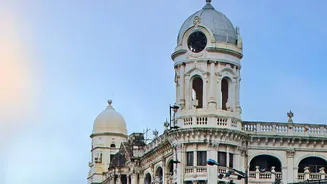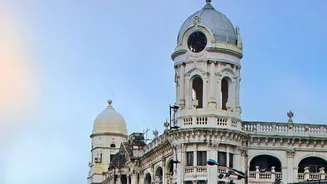




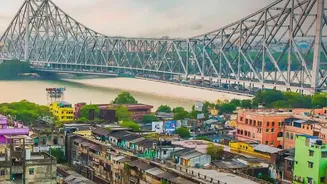
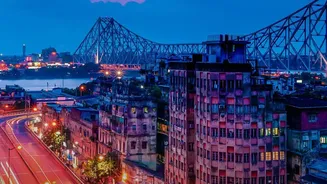
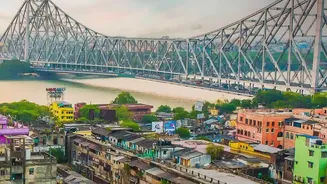
Stroll through Kolkata's streets and you're walking through a living museum. The city, once the capital of British India, is famously known as the 'City of Palaces' for its breathtaking colonial architecture that still defines its identity.
The Birth of the 'City of Palaces'
The nickname
'City of Palaces' isn't just a flight of fancy; it's a direct reference to the sheer volume of grand mansions and public buildings erected during the 18th and 19th centuries. When Calcutta, as it was then known, became the capital of British India, it transformed into the second city of the British Empire after London. This status attracted a wave of construction, with both British officials and wealthy Bengali zamindars (landowners) building palatial residences and administrative centres. These structures were designed to project power, wealth, and a new imperial order, dotting the cityscape with architectural wonders that blended European styles with Indian sensibilities.
Dalhousie Square: The Imperial Heart
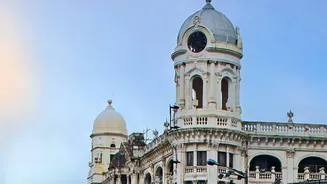
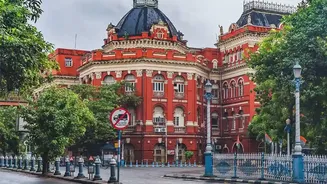
The epicentre of this architectural boom was Dalhousie Square, now known as B.B.D. Bagh. This area was the financial, political, and social nucleus of British India. It remains one of the world's most impressive colonial city centres, boasting a dense concentration of heritage buildings. The most prominent among them is the Writers' Building. Originally a simpler structure built in 1777 for the clerks of the East India Company, its current Greco-Roman facade is a symbol of colonial administration. Nearby stands the magnificent General Post Office (GPO), with its towering dome and Corinthian columns, designed by Walter Granville and completed in 1868. This district, often called 'Office Para' (locality of offices), was the engine room of the Raj.
A Symphony of Architectural Styles
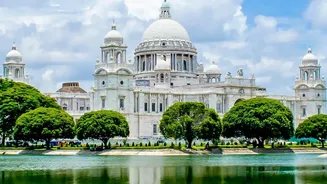
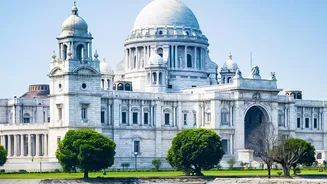
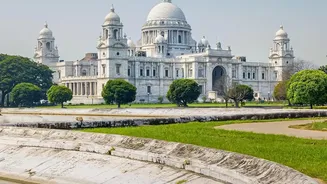
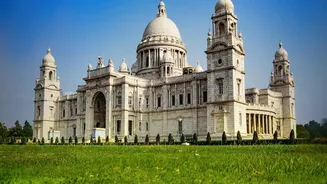
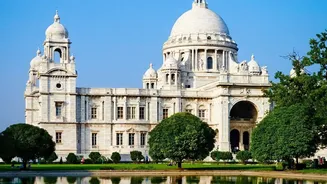
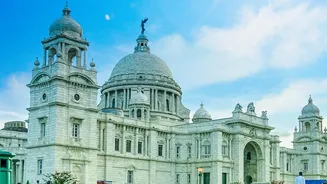
The architecture of colonial Kolkata is not monolithic. It's a rich tapestry of styles that evolved over two centuries. Early structures favoured Neoclassical and Palladian designs, seen in buildings like the Raj Bhavan, the former residence of the Governor-General. The Town Hall, built in 1813, is a prime example of the Roman Doric style. As the 19th century progressed, Gothic Revival became fashionable, best exemplified by the Calcutta High Court and the stunning St. Paul's Cathedral. The cathedral, consecrated in 1847, was the first of its kind in Asia and was built to serve the growing European community. Later, the Indo-Saracenic style emerged, blending British, Mughal, and even Venetian elements. The undisputed masterpiece of this hybrid style is the Victoria Memorial, a gleaming white marble monument dedicated to Queen Victoria, which has become the city's most recognisable landmark.
Beyond Public Buildings: The Bengali Mansions
The colonial influence wasn't confined to British-built structures. In North Kolkata, wealthy Bengali families built their own grand mansions, creating a unique architectural fusion. The Marble Palace is a famous example. Built in 1835 by Raja Rajendra Mullick, this opulent home features neoclassical architecture, marblendraped interiors, and an eclectic collection of art. These private palaces combined European designs like colonnaded verandahs with traditional Indian courtyard layouts, reflecting the ambitions and cultural tastes of the city's affluent local elite.
A Legacy of Grandeur and Decay
Today, this architectural heritage is a source of immense pride but also a significant challenge. Many of these structures suffer from what one expert calls an 'abundance of colonial heritage', leading to neglect due to the sheer scale of preservation required. Population pressure, economic challenges, and maintenance costs pose constant threats. However, there is growing recognition of this heritage as an invaluable asset. Organisations like INTACH and citizenled initiatives are working to restore and protect these landmarks. The restoration of the Currency Building and the ongoing work on the Writers Building are signs of this renewed commitment. These buildings are not just relics; they are active parts of the city housing government offices museums and cultural spaces that connect Kolkatas past to its vibrant present.