






The Magic of Monsoon Gardening
The monsoon season, with its high humidity and cooler temperatures, is ideal for growing a variety of herbs. The overcast skies naturally provide the partial shade that many plants prefer, protecting them from the harsh sun. The key to a successful monsoon garden,
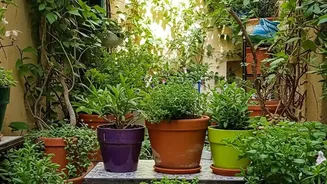
especially in pots, is excellent drainage. Heavy rains can lead to waterlogged soil and root rot, so ensure your containers have holes at the bottom. Use a light, well-draining potting mix, often a combination of soil, compost, and coco-peat or sand. This ensures your plants get the moisture they need without their roots sitting in water. Also, remember that with frequent rains, you might not need to water your plants daily; always check if the top inch of soil is dry before watering.
Mint (Pudina): The Refreshing Creeper
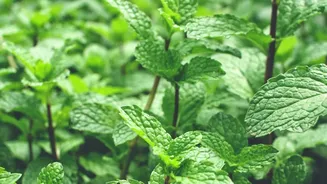
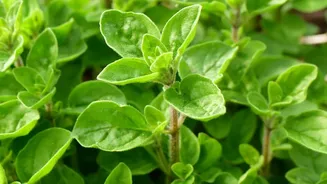
Mint is one of the easiest and most rewarding herbs to grow. It thrives in the moist, humid conditions of the monsoon and does exceptionally well in partial shade. In fact, some shade can prevent its leaves from scorching. Plant mint in a wide container, as it tends to spread horizontally. You can easily grow it from a few healthy stems bought from the market; just place them in water until roots appear and then transfer them to soil. Keep the soil consistently moist but never waterlogged. Regular pruning will encourage bushier growth, giving you a constant supply for your chutneys, raitas, and refreshing beverages all season long.
Coriander (Dhania): The Flavour of the Season
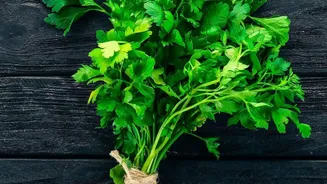
No Indian kitchen is complete without fresh coriander, and the monsoon is the perfect time to grow your own. Coriander plants thrive in the cooler temperatures and filtered sunlight of the rainy season. Too much direct sun can cause the plant to 'bolt'—flower prematurely—but the cloudy monsoon weather provides the ideal conditions for lush leaf growth. Sow seeds directly into a pot with well-draining soil, as coriander doesn’t like to be transplanted. Keep the pot in a location that receives about four to six hours of gentle sunlight. Water carefully, ensuring the soil is moist but not soggy, and you'll be harvesting fresh, fragrant leaves for your curries and garnishes in no time.
Holy Basil (Tulsi): The Sacred Healer
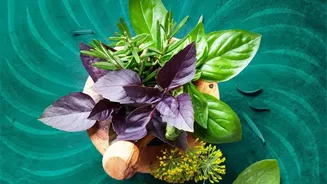
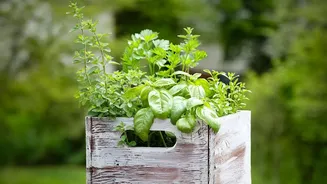
A staple in many Indian households, Tulsi is not only sacred but also a potent medicinal herb. It grows well during the monsoon but requires some care. While it needs at least four to five hours of sunlight, it’s best to place it in a spot sheltered from heavy, continuous downpours, like a covered balcony or near a window. This prevents the roots from decaying in waterlogged soil. Use a well-draining soil mix, and only water when the topsoil feels dry, as the rain will often do the job for you. With the right balance of gentle sun and protection from excessive rain, your Tulsi plant will flourish, providing its healthful leaves for your daily chai or kadha.
Lemongrass: The Aromatic Guardian
With its distinct citrusy aroma, lemongrass is a fantastic addition to a monsoon garden. It is a hardy plant that thrives in the warm and humid Indian climate. While it prefers full sun, it is quite tolerant of partial shade, making it a versatile choice for various spots in your home. In fact, plants grown in part shade may even produce softer, more succulent leaves. Ensure it is planted in a pot with good drainage to avoid water accumulation around the roots. Lemongrass is also known to be a natural mosquito repellent, which is an added bonus during the rainy season. Use the fresh stalks to add a zesty flavour to teas, soups, and Asian-style curries.
Turmeric (Haldi): The Golden Spice
Growing your own fresh turmeric is an incredibly satisfying experience. This tropical plant loves the heat and humidity of the monsoon. Turmeric thrives in moist, well-drained soil and prefers a spot with partial shade, away from direct, harsh sunlight. You can grow it from a piece of fresh turmeric rhizome (the 'finger') from the market. Plant the rhizome a couple of inches deep in a large pot. The plant will grow lush green leaves throughout the monsoon. The aerial parts of the plant will naturally die back in the winter, which is your cue that the golden rhizomes underneath are ready for harvest. Having fresh turmeric on hand adds an unparalleled flavour and colour to your cooking.