




What is a 'Complete' Protein?
Protein is essential for muscle repair and growth, composed of building blocks called amino acids. Our bodies can produce some amino acids, but nine of them, known as essential amino acids, must be obtained from food. A food source that contains all nine of these
in sufficient amounts is called a 'complete protein'. Most animal-based products like dairy and eggs are naturally complete proteins. In contrast, most individual plant foods are 'incomplete', meaning they are low in one or more essential amino acids. This is where the concept of protein synergy becomes crucial for anyone on a plant-based diet.
The Plant Protein Puzzle
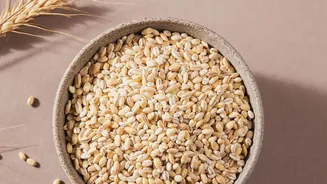
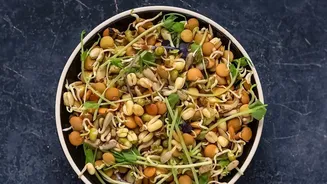
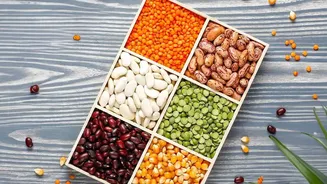
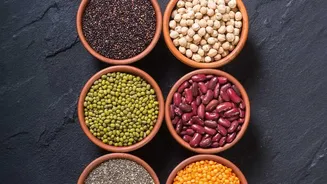
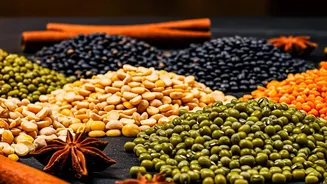
For those relying on plants for protein, the main challenge involves two specific essential amino acids: lysine and methionine. As a general rule, many staple Indian foods have a pattern: Grains like rice and wheat tend to be low in lysine. Pulses and legumes, such as dal, chickpeas, and kidney beans, are typically low in methionine. This might seem like a nutritional roadblock, but it's actually the key to unlocking the full potential of a vegetarian diet. Grains are strong where legumes are weak, and vice versa, making them perfect nutritional partners.
The Synergy Solution: Protein Complementation
Protein complementation is the strategy of combining two or more incomplete plant proteins to create a complete amino acid profile. By eating a grain and a pulse together, you provide your body with all the essential amino acids it needs for functions like muscle synthesis. The good news is that Indian cuisine has been doing this instinctively for centuries. You don't need to stress about combining them in the exact same bite, either. Your body maintains a pool of amino acids, so as long as you consume complementary proteins within the same day, you're getting the full benefit.
Classic Pairings for Complete Muscle Fuel
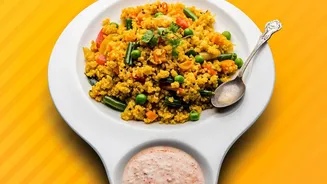
Many beloved Indian meals are perfect examples of protein synergy in action. Dal Chawal: The ultimate comfort food is also a perfect protein pairing. The lysine-rich lentils (dal) complement the methionine-rich rice (chawal), delivering a complete protein profile. Rajma Chawal: This North Indian classic pairs kidney beans with rice, achieving the same powerful grain-legume synergy. Idli/Dosa with Sambar: The batter for idli and dosa is made from fermented rice and urad dal, creating a complete protein base before you even add the sambar, which itself is made from lentils. Khichdi: This one-pot meal of rice and moong dal is one of the most easily digestible complete protein dishes in the Indian diet. Roti with Dal or Chana Masala: The whole wheat in roti provides the methionine that dals and chickpeas lack, making this daily staple a nutritionally complete meal.
Beyond the Basics: Other Powerful Sources
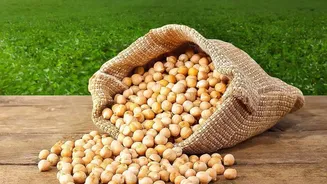
While combining grains and pulses is a foundational strategy, some plant-based and vegetarian foods are complete proteins on their own. Soya products like tofu and soya chunks are rare examples of complete plant proteins. For vegetarians who consume dairy, paneer, milk, and curd are excellent sources of high-quality, complete protein. Grains like quinoa and buckwheat (kuttu) also contain all nine essential amino acids, making them great additions to any meal plan focused on muscle building.