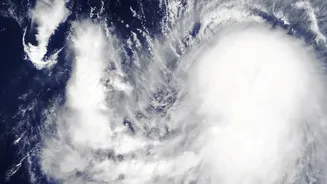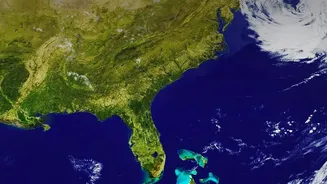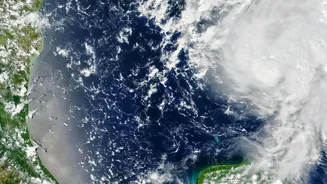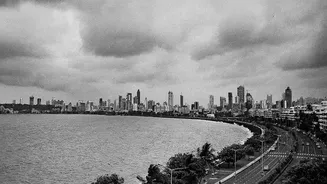





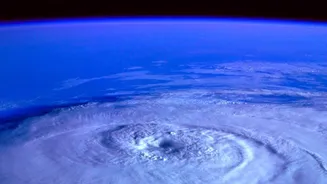


When a cyclone looms, the headline number is often its wind speed. But for India, a more critical story lies not in any single storm's power, but where it was born. The historical dominance of one sea is giving way to a new, volatile reality.
A Tale of Two Seas
For generations,
India's relationship with cyclones was overwhelmingly an east coast story. The Bay of Bengal has historically been the nation's primary cyclone generator, accounting for roughly four times as many cyclones as the Arabian Sea. This is due to a confluence of factors: the Bay is warmer, less saline, and its shape can act as a funnel. Furthermore, it often receives remnants of typhoons from the Pacific, which can regenerate into new cyclones. This has made states like Odisha, Andhra Pradesh, West Bengal, and Tamil Nadu the traditional front line for storm-related disasters, leading to highly developed and frequently tested disaster management protocols along the eastern coastline.
The Shifting Tides of the Arabian Sea
The long-held notion of the Arabian Sea as a relatively benign basin is rapidly becoming outdated. Recent scientific studies have documented a significant and alarming trend: a sharp increase in the frequency, intensity, and duration of cyclones forming off India's west coast. One study noted a 52% increase in the frequency of cyclones in the Arabian Sea between 2001 and 2019, while another pointed to an 80% rise in their total duration over the last two decades. This has put states like Gujarat, Maharashtra, and Kerala on a new level of alert, as they now face a threat that was once considered secondary. The change is not just in number, but in power, with a 150% increase in 'very severe' cyclones noted in the Arabian Sea.
The Engine of Change: A Warming Ocean
The primary driver behind this dramatic shift is climate change. The Indian Ocean is warming faster than other tropical basins, and the Arabian Sea is warming at a particularly accelerated rate. Sea surface temperatures in the Arabian Sea have risen by as much as 1.2 to 1.4 degrees Celsius in recent decades, creating a much more favourable environment for cyclones to form and, crucially, to intensify. This increased ocean heat provides the fuel for storms, allowing them to grow stronger and last longer. The result is not just more storms, but more powerful ones that can undergo rapid intensification, a dangerous phenomenon where a cyclone's strength increases dramatically in a short period, leaving little time for preparation.
Different Storms, Different Dangers
It is not enough to say more storms are happening in the west. The characteristics of the coastlines mean the dangers are different. The east coast is marked by broad, shallow coastal plains and large river deltas, which makes it extremely vulnerable to massive storm surges, where seawater is pushed far inland. The west coast, by contrast, is generally steeper, which can offer some protection from surge in many areas. However, the increasing intensity of Arabian Sea storms presents a new set of problems. Recent data suggests these storms are also slowing down in their movement, which allows them to dump enormous amounts of rainfall in one area, leading to catastrophic flooding and landslides in the densely populated coastal regions of the west.
Forecasting for a New Reality
This changing dynamic forces a major rethink in how India prepares for and reports on cyclones. While the India Meteorological Department (IMD) has made incredible strides in forecasting accuracy, saving countless lives, the focus is expanding. It is no longer just about predicting the track of a Bay of Bengal storm. Now, forecasters must grapple with the rising threat of intense, slow_moving , and rapidly intensifying cyclones on the west coast. This requires not just different forecasting models but a shift in public awareness and disaster management infrastructure in states that have less historical experience with severe cyclones. The total number of storms in a year is becoming a less relevant metric than the specific , regional threats posed by each basin.