







As the monsoon recedes and a new season begins, your skin is the first to notice. October in India is a month of transition, and a one-size-fits-all skincare routine simply won't do. Your skin's needs are changing, and so should your regimen.
Understanding the October Shift
October often
brings a noticeable change in India's climate. In many regions, the dense humidity of the monsoon gives way to drier, sometimes cooler air. This shift can be confusing for your skin. The drop in humidity can increase water loss from the skin's surface, a condition known as dehydration, which can leave your skin feeling tight even if it's still producing oil. Meanwhile, lingering heat, dust, and pollution can still lead to clogged pores and breakouts. The key is to listen to your skin and observe your local environment rather than making drastic changes based on the calendar alone.
For Drier, Cooler Climates (North & Central India)
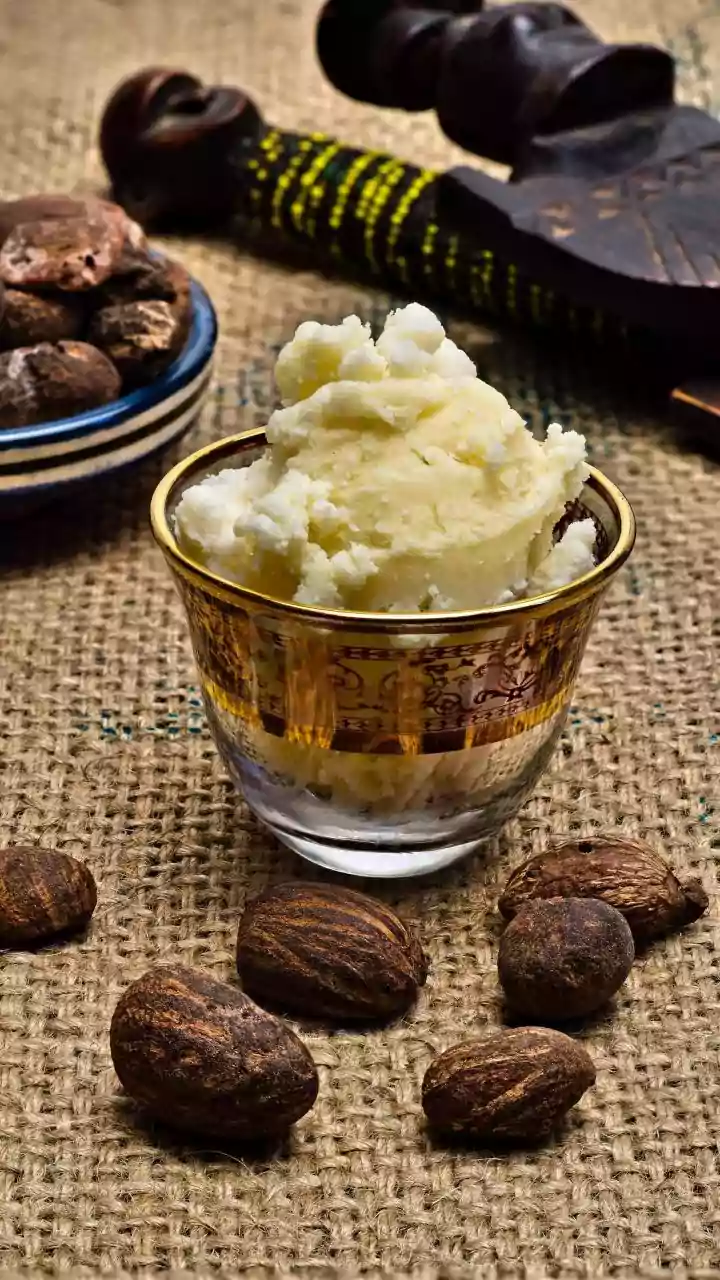
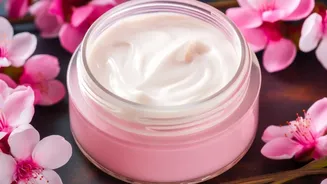
In northern and central parts of India, October signals the arrival of a pleasant but distinctly drier season. The air loses its moisture, and your skin is likely to feel the effects first. If you have dry skin, this is the time to switch from lightweight lotions to richer creams. Look for ingredients like ceramides, squalane, and shea butter, which help repair and support the skin's natural barrier, locking in moisture. For those with oily or combination skin, a heavy cream might be too much. Instead, focus on layering hydration. You can use a hydrating serum containing hyaluronic acid under a light, non-comedogenic moisturiser to keep skin balanced without causing congestion.
For Humid Climates (South & Coastal India)
While the north turns dry, many southern and coastal regions remain humid and warm through October. In high-humidity environments, sweat doesn't evaporate as quickly, mixing with oil and dirt to clog pores. This can lead to increased oiliness and breakouts, especially for those with oily or acne-prone skin. Here, the focus should not be on adding heavy layers but on effective cleansing and lightweight hydration. Use a gentle, gel-based cleanser to remove impurities without stripping the skin. Follow up with a light, water-based or gel moisturiser. Even oily skin needs hydration to maintain a healthy barrier, but heavy creams can feel suffocating and worsen congestion in a humid climate.
Key Adjustments for Every Skin Type
Regardless of where you live, some principles apply to everyone. Start by assessing your cleanser. If your skin feels tight or stripped after washing, switch to a milder, more hydrating formula like a cream or milk cleanser. If you exfoliate, consider reducing the frequency, as over-exfoliation can exacerbate dryness and sensitivity in transitional weather. And most importantly, do not stop using sunscreen. UV rays can damage your skin even on cloudy or cooler days, so a broad-spectrum sunscreen with at least SPF 30 remains a non-negotiable step every morning.
Essential Ingredients for Transitional Weather
As you adapt your routine, look for powerhouse ingredients that can help your skin navigate the seasonal shift. Hyaluronic acid is a hero for all skin types, as it draws moisture into the skin, providing hydration without heaviness. Niacinamide is another excellent multitasking ingredient that helps regulate oil production, calm inflammation, and support the skin barrier. For barrier repair, especially in drier climates, ceramides are crucial as they are the natural lipids that help your skin hold onto moisture. Antioxidants like Vitamin C are also beneficial, helping to repair any lingering summer sun damage and protect against pollution.