




The Rise of the Healthy Brownie
In kitchens and bakeries across India, a quiet revolution is taking place. The humble brownie, a symbol of pure indulgence, is getting a wholesome makeover. Pastry chefs, responding to a growing demand for healthier dessert options, are turning to ancient
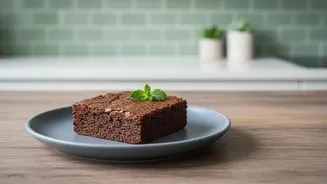
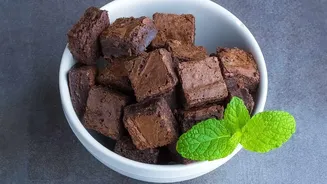
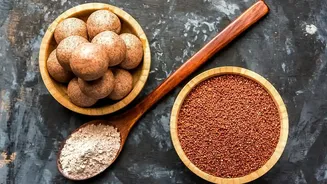
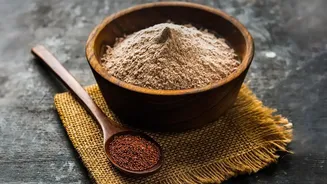
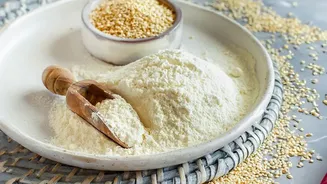
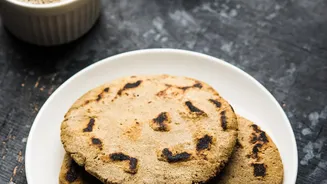
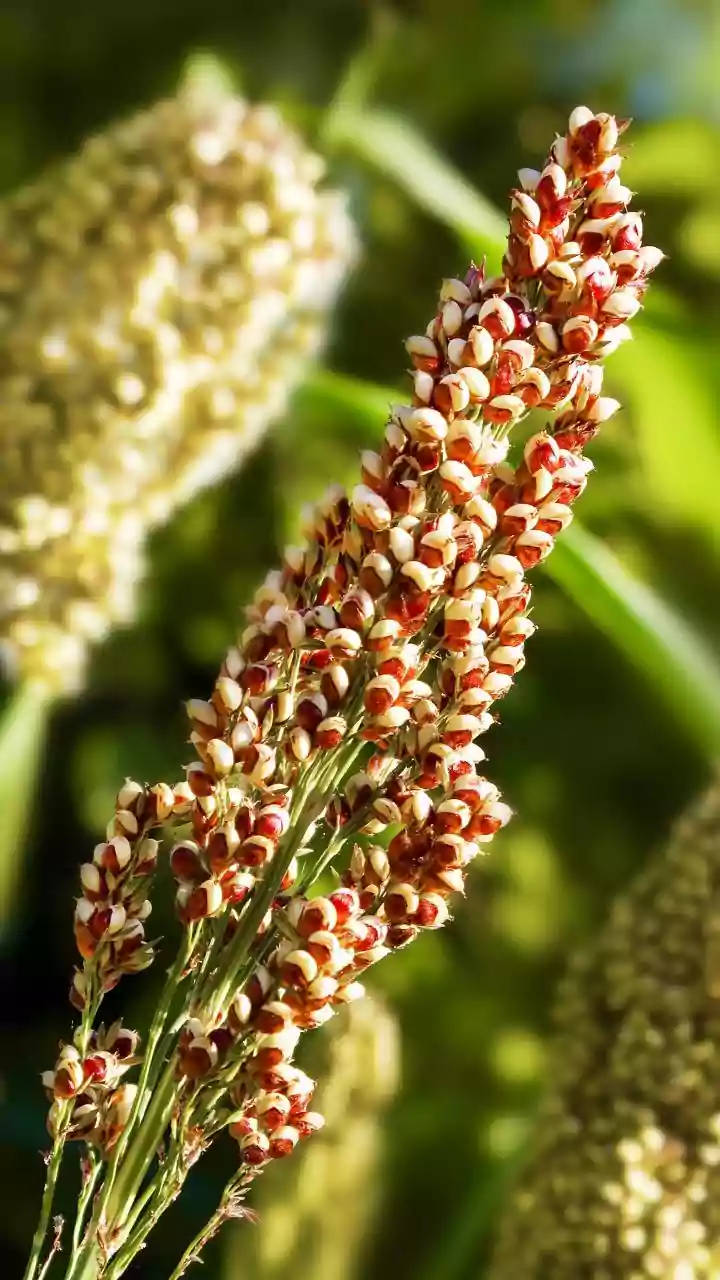
grains to reinvent classic recipes. The star of this transformation is ragi, or finger millet, a nutrient-dense grain that has been a staple in Indian households for centuries. By replacing refined white flour (maida) with ragi flour, they are creating a brownie that is not only delicious but also packed with health benefits. This trend bridges the gap between our love for sweets and the desire to eat clean, proving that dessert can be both satisfying and nourishing.
Why Finger Millet is a Superfood Swap
The switch from maida to ragi is more than just a trend; it's a significant nutritional upgrade. Refined flour is stripped of most of its fibre and nutrients, while ragi is a nutritional powerhouse. It is exceptionally rich in calcium, making it fantastic for bone health. In fact, ragi contains up to 30 times more calcium than other cereals. It is also loaded with dietary fibre, which aids digestion, keeps you feeling full for longer, and can help in weight management. Unlike refined flour which can cause sharp spikes in blood sugar, ragi has a low glycemic index, promoting a slower release of sugar into the bloodstream. Furthermore, it is a great source of iron, protein, and antioxidants, making it a truly superior choice for health-conscious food lovers.
The Baker's Art and Science
Baking with ragi flour presents a unique set of challenges and opportunities for chefs. It's not a simple one-to-one substitution. Ragi is a gluten-free flour, which means it behaves very differently from wheat flour. It absorbs more moisture and can result in a denser, slightly crumbly texture if not handled correctly. To counteract this, bakers have developed clever techniques. Some roast the ragi flour beforehand to bring out its natural nutty flavour and reduce any raw taste. Others combine it with a small amount of another flour, like whole wheat or oat flour, to achieve a perfectly fudgy texture. The use of moist ingredients like yogurt, bananas, or oil is also crucial to ensure the final brownie is soft and decadent. Many chefs also pair it with natural sweeteners like jaggery or dates, whose caramel notes beautifully complement ragi's earthy flavour.
The All-Important Taste Test
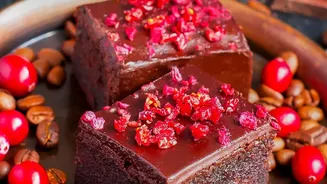
But does a healthier brownie still taste like a treat? The answer is a resounding yes, though the experience is different. A ragi brownie offers a more complex and interesting flavour profile than its maida-based counterpart. The flour imparts a subtle, earthy nuttiness that pairs wonderfully with the deep bitterness of dark chocolate. The texture is often described as dense, fudgy, and incredibly satisfying, which is exactly what one looks for in a good brownie. Instead of being overly sweet and simple, it feels more wholesome and substantial. Many people find that they can't even tell the primary ingredient is millet, as the rich chocolate flavour remains front and center. It's a brownie that feels less like a guilty pleasure and more like a nourishing indulgence.