




The Other Side of the Clouds
Meghalaya, the 'abode of clouds', is synonymous with rain. For decades, Cherrapunji and Mawsynram have held the title as the wettest places on earth, drawing tourists who wish to witness the full force of the Indian monsoon. Yet, about 60 kilometres east
of Shillong, lies Jowai, the headquarters of the West Jaintia Hills district, which is quietly carving out its own identity. While traditionally not the first stop for tourists, travellers are now discovering that Jowai offers a unique blend of natural splendour and cultural richness that is most potent during the rainy season. Unlike the more crowded circuits, Jowai provides a serene and immersive experience.
Where Waterfalls Come Alive
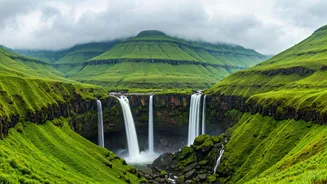
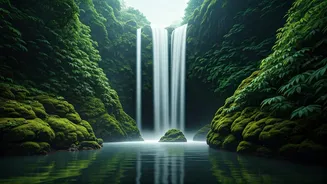
The monsoon transforms the Jaintia Hills into a spectacle of cascading water. Jowai is the gateway to some of Meghalaya's most breathtaking waterfalls, which are at their most powerful from June to September. The star attraction is Krang Suri, a waterfall famous for its crystal-clear, turquoise pool that looks like a scene from a fantasy film. While swimming can be risky during peak rains due to strong currents, the sheer visual drama is unparalleled. Then there's Tyrshi Falls, which rivals Shillong’s famous Elephant Falls in beauty and scale, cascading gracefully down cliffs surrounded by lush paddy fields. The journey to these falls, often involving short treks through vibrant green landscapes, is an adventure in itself.
The Heartbeat of Jaintia Culture
What truly cements Jowai's place on the monsoon map is its vibrant culture, especially the Behdienkhlam festival. Celebrated annually in July, after the sowing season, this is the most important festival for the Pnar people who follow the traditional Niamtre religion. The name 'Behdienkhlam' literally means 'to chase away the demon of plague' with sticks. It’s a spectacular four-day event filled with rituals, music, and dance, culminating in a procession where large, decorated towers called 'rots' are immersed in a sacred pool. The festival is a powerful invocation for a bountiful harvest and serves as a homecoming for many Jaintias, making Jowai the cultural heart of the region during the monsoon.
A Landscape Reborn
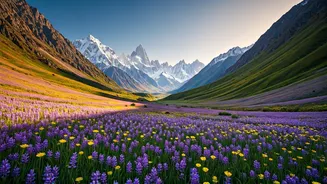
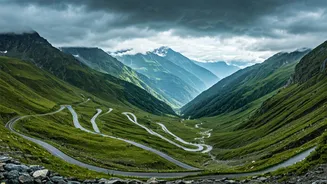
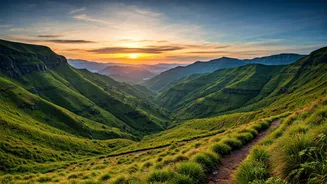
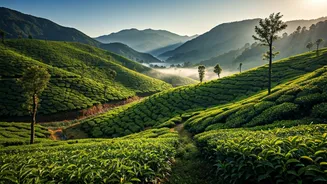
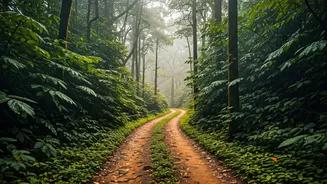
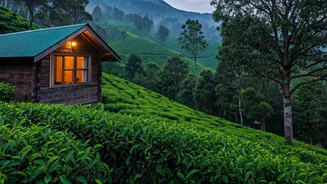
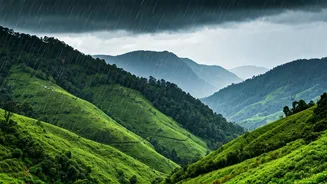
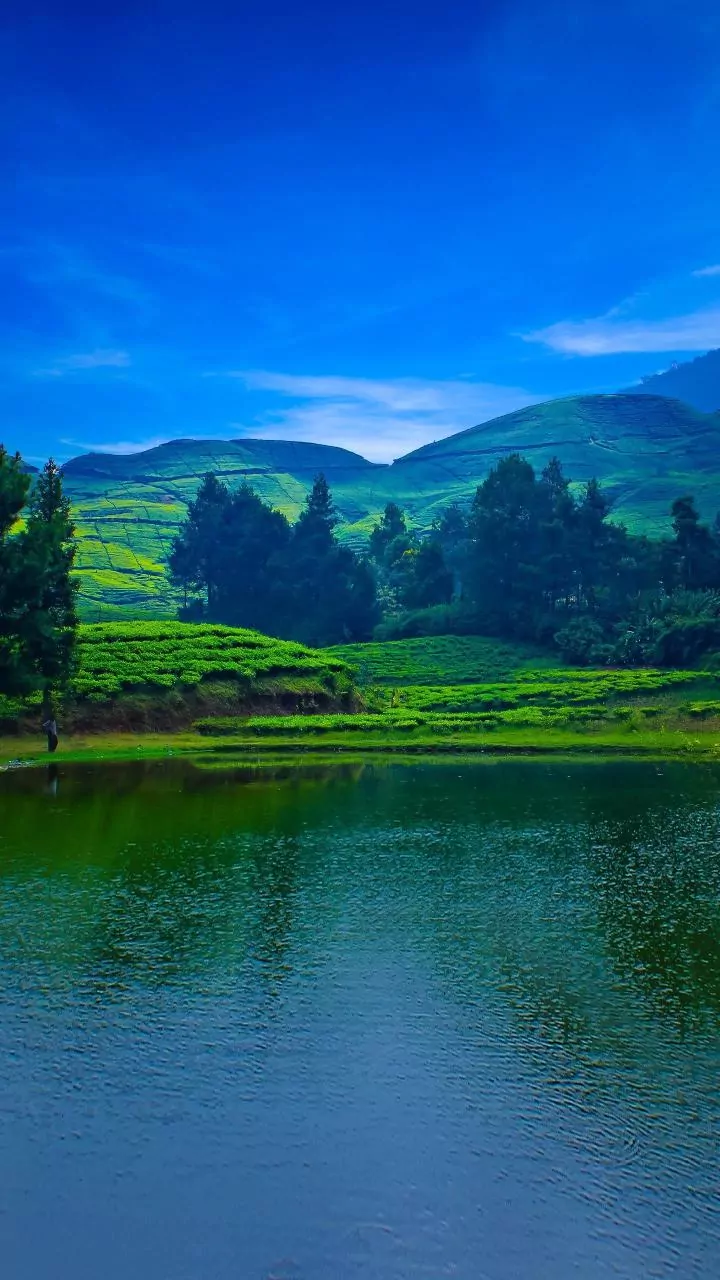
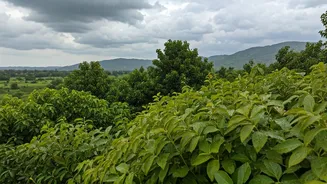
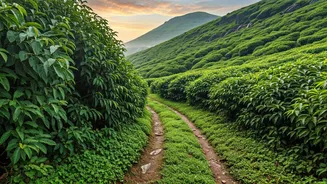
The monsoon doesn't just feed the waterfalls; it breathes life into the entire landscape around Jowai. The Myntdu River, which encircles the town on three sides, swells with rainwater, its gurgling presence a constant backdrop. This river is considered a guardian angel by the locals. The rolling hills and valleys, including spots like Ialong Park and the tranquil Thadlaskein Lake, are draped in a fresh, deep green. Syntu Ksiar, a picturesque spot on the Myntdu River, becomes even more serene and is rich with history, being the place where the freedom fighter Kiang Nangbah led a rebellion. It's a landscape that invites quiet contemplation, perfect for those looking to escape the clamour of city life.
A Taste of the Monsoon
No cultural map is complete without exploring the local cuisine, and Jowai offers a distinct taste of the Jaintia Hills. While the town itself has a growing number of eateries, the local food is deeply connected to the seasons. The monsoon brings with it an abundance of local greens and vegetables. The regional cuisine features non-vegetarian dishes with special preparations of meat and fish, often using local herbs and spices that provide warmth in the cool, wet weather. Exploring the local markets and trying a simple meal at a roadside stall can be one of the most authentic ways to connect with the culture of Jowai, offering a culinary experience that is as memorable as the stunning landscapes.