





Decoding the Georgia E-Visa for Indians
First things first: most Indian passport holders need a visa for Georgia. The great news is that the process is almost entirely online via the official e-visa portal, meaning no embassy visits are required for a tourist trip. The standard e-visa allows
for a stay of up to 30 days. The application fee is approximately $20 USD, plus a mandatory verification fee of around $15 USD. The process typically takes five to seven working days, but it's always wise to apply at least two weeks before your trip. You'll need scanned copies of your passport, a recent photograph, proof of accommodation, return flight tickets, and evidence of sufficient funds. One critical update for 2026 is that travel and health insurance with a minimum coverage of 30,000 GEL is now mandatory.
The Real Visa 'Hack': A Smooth Application
The most effective 'hack' isn't a secret loophole but a flawless application process that saves you from the cost and stress of rejection. The biggest pitfall for many applicants is a new mandatory step called DuVerify, an identity verification that must be completed within 24 hours of submitting your form. Failing to do so can lead to automatic cancellation. So, the ultimate hack is simple: double-check all your documents, ensure your photo meets the specifications, have your mandatory travel insurance policy ready, and be prepared to complete the verification step promptly. A smooth, one-time application is the best way to save money and start your trip on the right foot. Also, check if you qualify for visa-free entry; Indian citizens holding a valid visa or residence permit from countries like the USA, UK, or any Schengen nation can enter Georgia for up to 90 days without needing a separate Georgian visa.
Budget Stays: Guesthouses and Hostels
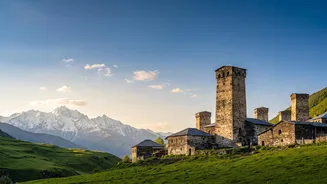
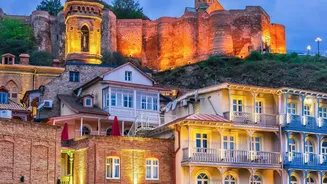
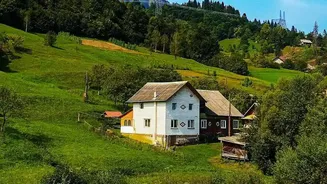
Once your visa is sorted, accommodation is the next area for major savings. Georgia excels in offering character-filled, budget-friendly stays. For solo travellers, hostels are the top choice, with dorm beds in cities like Tbilisi available for as little as ₹800–₹1,500 per night. Places like Fabrika in Tbilisi are legendary, combining a hostel with a vibrant cultural hub. For a more local experience, seek out family-run guesthouses. These offer not just an affordable private room but also a priceless immersion into Georgian hospitality, often including hearty, home-cooked breakfasts. In rural and mountain areas like Kazbegi or Svaneti, guesthouses are the heart of the travel experience, providing incredible value.
Eat Like a Local, Save Like a Pro
Georgian cuisine is a highlight, and you don't need to spend a lot to enjoy it. The key is to eat where the locals do. Skip the polished tourist restaurants on main squares and venture into side streets to find small bakeries and family-run eateries. A fresh, hot khachapuri (cheese-filled bread) from a bakery can be a delicious and filling meal for just a couple of hundred rupees. Khinkali (meat or vegetable dumplings) are another budget staple, often costing less than ₹50 per piece. For a cheap and delicious meal, look for signs advertising 'Lobio' (a flavourful bean stew served in a clay pot). By embracing local food culture, you can easily keep your daily food expenses under ₹1,200.
Smart Transport for a Shoestring Budget
Getting around Georgia is both an adventure and incredibly affordable if you use public transport. Within Tbilisi, the metro system is highly efficient and costs next to nothing per ride. For travel between cities, the marshrutka (shared minibus) is your best friend. These minibuses connect virtually every town and city in the country for a fraction of the cost of a private taxi. For example, a six-hour journey from Tbilisi to the Black Sea city of Batumi can cost as little as ₹700–₹800. While less comfortable than a private car, they offer an authentic slice of Georgian life and are a rite of passage for any backpacker exploring the country.
Timing Is Everything: Travel in the Shoulder Season
Finally, one of the most significant ways to save money is by choosing the right time to visit. The peak summer months of July and August see the biggest crowds and the highest prices for flights and accommodation, especially in popular spots like Batumi and Kazbegi. Instead, plan your trip for the shoulder seasons: spring (April to June) or autumn (September to October). During these months, the weather is generally pleasant and perfect for hiking, the tourist crowds have thinned out, and you'll find significantly lower prices across the board. This simple switch can cut your biggest pre-trip expense—your flight ticket—by a considerable margin.