


The Rise of the 'Drivecation'
Not long ago, a proper holiday meant booking flights or trains months in advance. Today, a growing number of Indians are finding their escape in the driver's seat. Data shows a clear trend towards shorter getaways, often planned just days before travel.
According to a report by Zoomcar, trips under two days have seen a significant surge, accounting for 71% of all journeys in 2025, up from 66% in 2023. This shift is powered by what the travel industry calls 'drivecations' or 'staycations'—leisurely trips to nearby locales. Instead of one big annual break, people are opting for multiple mini-breaks, using long weekends and personal leave to recharge more often. This reflects a deeper change in how Indians perceive leisure: rest and relaxation are now seen as essential, frequent needs rather than a once-a-year luxury.
Why the Driver's Seat Is So Appealing
The preference for road travel is driven by a desire for control and flexibility. The pandemic made travellers more conscious of their surroundings, and cars offer a personal, sanitised bubble. But beyond safety, the appeal lies in spontaneity. A road trip allows for impromptu stops, flexible itineraries, and the freedom to explore at one's own pace. This is especially true for the younger generation. Travellers aged 18-25 (Gen Z) now account for a significant portion of these trips, favouring solo journeys and offbeat destinations over traditional tourist spots. The ability to just pack a bag, get in the car, and escape the city for a couple of days caters perfectly to this modern desire for unstructured, experience-rich travel.
New Roads, New Destinations
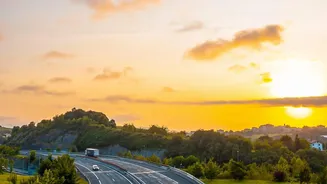
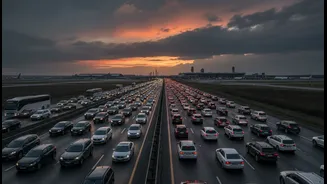
A key catalyst for this trend is India's rapidly expanding infrastructure. Over the past decade, the national highway network has grown by about 60%, reaching over 146,000 kilometres. Smoother, wider roads and new expressways have drastically cut down travel times, making destinations that were once considered too far for a weekend trip suddenly accessible. Popular routes like Delhi-Dehradun, Chennai-Puducherry, and Mumbai-Nashik are seeing a boom in weekend traffic. This improved connectivity is not just limited to major metro corridors. The fastest growth is now being seen on routes connecting Tier-2 and Tier-3 cities, such as Ahmedabad-Vadodara, Thrissur-Kochi, and Indore-Ujjain. This opens up a whole new map of potential getaways, from heritage sites and pilgrimage centres to quiet hill stations and beach towns.
The Economic Ripple Effect
This shift in travel habits is creating significant economic opportunities beyond the major tourist hubs. As drivable destinations gain popularity, local economies in smaller towns and rural areas are receiving a major boost. The demand for accommodation has led to a rise in homestays, boutique hotels, and luxury villas that offer a more personal and private experience. This boom extends to self-drive car rentals, with companies reporting increased bookings, particularly for SUVs and larger vehicles suited for group and family travel. The growth in Tier-2 and Tier-3 city bookings indicates a democratisation of travel, where the preference for independent, road-based journeys is spreading across the country. This trend benefits everyone from local artisans and restaurant owners to hosts on rental platforms, creating a more distributed and sustainable tourism model.
Work, Leisure, and the Open Road
The rise of remote and hybrid work models has further accelerated the trend. With the flexibility to work from anywhere, many professionals are blending their work and leisure time. A 'workation' allows someone to escape the city for an extended period without dipping into their annual leave. They might work from a serene homestay in the hills during the week and explore the surrounding area over the weekend. This merging of work and travel is making longer road trips more feasible, with some data showing a rise in journeys lasting more than seven days. This fundamental change means that for many, a vacation is no longer about completely disconnecting, but about changing their environment to find a better work-life balance, all made possible by a good internet connection and a reliable car.