




The Power of 'Good Enough'
Many of us fall into the trap of all-or-nothing thinking. We believe an effective workout must last an hour, leave us breathless, and require fancy equipment. The reality is that consistency trumps intensity every time. Shorter, more frequent workouts
are often more beneficial than long, sporadic sessions. Research shows that breaking up exercise into smaller chunks, like three 10-minute sessions, can be just as effective as one 30-minute workout. This approach, sometimes called 'exercise snacking,' makes it easier to build a habit and stay motivated, especially for those with busy schedules. The goal is to make exercise a non-negotiable part of your day, like brushing your teeth, by removing as many barriers as possible.
Building the Habit Block by Block
To create a routine that sticks, start with a realistic plan. Don't try to go from zero to exercising seven days a week. Instead, schedule your workouts like appointments and aim for a few sessions per week to start. Finding an activity you genuinely enjoy is also crucial; if you hate running, forcing yourself onto a treadmill will lead to burnout. Consider bodyweight exercises, which use your own weight as resistance and require no special equipment. They are perfect for beginners to learn proper form and can be done anywhere, making them an ideal foundation for a consistent indoor routine.
The 15-Minute Bodyweight Blast
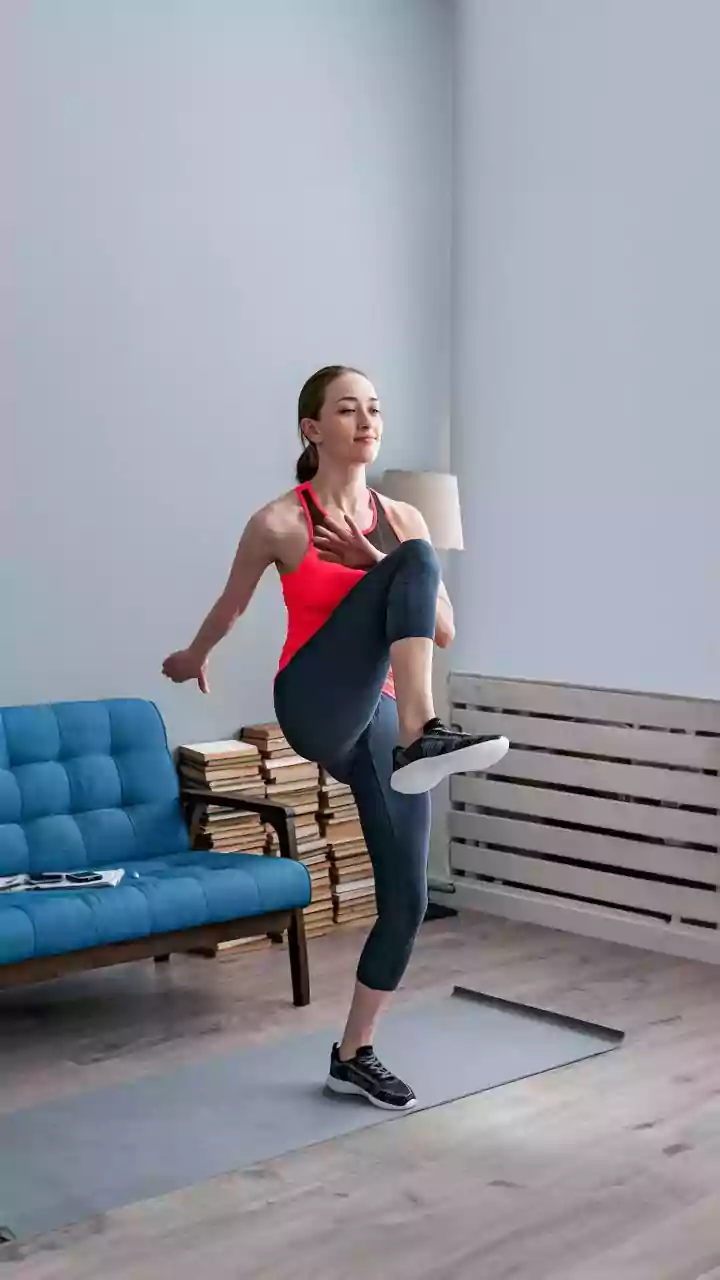
This full-body circuit requires no equipment and can be completed in just 15 minutes. It's designed to get your heart rate up and work major muscle groups efficiently. Perform each exercise for 40 seconds, followed by 20 seconds of rest before moving to the next. Complete the entire circuit two times. 1. Bodyweight Squats: Stand with feet shoulder-width apart and lower your hips as if sitting in a chair, keeping your chest up. 2. Push-ups: Start in a plank position. Lower your body until your chest nearly touches the floor. Modify by placing your knees on the ground. 3. Lunges: Step forward with one leg and lower your hips until both knees are bent at a 90-degree angle. Alternate legs. 4. Plank: Hold a straight line from your head to your heels, either on your hands or forearms. Engage your core. 5. Jumping Jacks: A classic cardio move to keep your heart rate elevated.
The Calming 20-Minute Yoga Flow
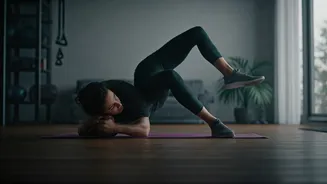
Yoga is excellent for improving flexibility, reducing stress, and building functional strength. It’s a low-impact option that’s perfect for active recovery days or when you need a more mindful movement session. There are countless free instructional videos online for beginners. A simple flow could include a series of warm-ups, followed by foundational poses like Downward-Facing Dog, Warrior poses, and gentle backbends like the Cobra pose. End your session with a few minutes of quiet relaxation to calm your nervous system. Mixing up your routine with activities like yoga can prevent boredom and work different muscle groups.
The 'No Excuses' Core Circuit
A strong core is the foundation of almost every movement. This quick circuit can be done on its own or added to another workout. Repeat the circuit three times for a focused abdominal workout. 1. Glute Bridges (20 reps): Lie on your back with knees bent. Lift your hips off the floor until your body forms a straight line from your shoulders to your knees. 2. Mountain Climbers (30 seconds): From a plank position, alternate bringing your knees toward your chest as if running in place. 3. Bicycle Crunches (30 seconds): Lie on your back and bring your opposite elbow to your opposite knee in a twisting motion. 4. Superman (15 reps): Lie on your stomach and simultaneously lift your arms, chest, and legs off the floor.