

An End in Sight, But Not Just Yet
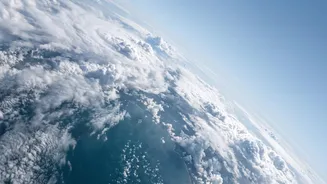
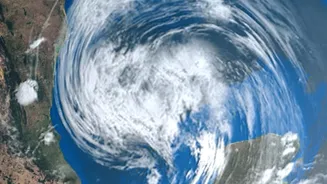
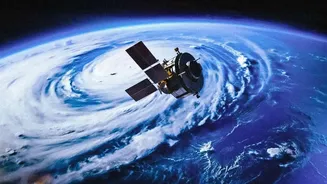
While satellite images show increasingly clear skies over parts of India, the official withdrawal of the 2026 monsoon has not yet begun. According to the India Meteorological Department (IMD) and other weather models, the formal retreat process is expected
to commence from northwest India after September 15. The full withdrawal is a gradual process that can take five to six weeks to complete, moving from the northwest to the southern peninsula. This year, the retreat is influenced by a strong El Niño, which can lead to drier conditions. However, the transition period itself can be unpredictable, with some regions still experiencing bouts of heavy rain even as others turn dry.
Brace Yourself for the 'October Heat'
One of the most distinct phenomena following the monsoon's retreat is the 'October Heat'. This isn't just a return to summer temperatures; it’s a period of oppressive weather marked by high heat combined with high humidity. As the monsoon clouds clear, daytime temperatures rise, but the ground is still saturated with moisture from the preceding rainy season. This combination makes the heat feel more suffocating than the dry heat of summer and can lead to significant discomfort. This sticky, uncomfortable weather typically begins in October and can last until mid-November, when the cooler, drier winter air finally settles in.
Navigating Daily Commutes and Travel
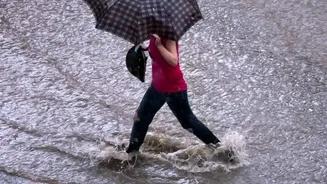
The transition period can be challenging for daily travel. Lingering, erratic showers can cause unexpected waterlogging and traffic jams in urban areas. For those with longer travel plans, the outlook is mixed. While the end of the monsoon signals a return to sunnier days, making it a good 'shoulder season' for tourism with fewer crowds, unpredictability remains. Some regions may see a quick return to pleasant weather, while others might face sudden, intense downpours that disrupt road and air travel. For instance, while Rajasthan and the Golden Triangle may become ideal for visits, Tamil Nadu and the southeast coast might be entering their wettest period due to the retreating northeast monsoon. It's crucial to check local forecasts before making any firm travel commitments.
A Critical Time for Health
The post-monsoon period is often a peak season for various illnesses. The combination of humidity and fluctuating temperatures creates a fertile breeding ground for viruses and bacteria. Mosquito-borne diseases like dengue and malaria become more common as stagnant water from receding rains provides ideal breeding sites for mosquitoes. Water-borne illnesses such as typhoid and diarrhoea can also spike due to contaminated water sources. Furthermore, the high humidity can lead to a rise in respiratory issues, skin infections, and fungal problems. It's a time to be extra vigilant about hygiene, use mosquito protection, and drink boiled or purified water.
The Broader Economic and Agricultural Picture
The timing and nature of the monsoon's withdrawal have significant consequences for India's agriculture-driven economy. A timely retreat with adequate late-season rain helps replenish reservoirs, which is crucial for the upcoming rabi (winter) crop season and for generating hydroelectric power. However, an erratic or overly dry withdrawal can stress water resources and impact crop yields. This year, with a rainfall deficit already noted, a drier-than-usual September could have knock-on effects, from altering energy demands for cooling to impacting food production and the livelihoods of millions who depend on agriculture.