





Decode the Weather Forecast
The first step in planning a monsoon hill trip is to become a student of the weather. Don't just glance at the temperature; you need to understand the nuances of monsoon forecasts. The India Meteorological Department (IMD) is your most reliable source.
It uses a colour-coded system to signal the intensity of expected rainfall. A 'Green' alert means all is well, 'Yellow' means be aware of changing conditions, 'Orange' signifies preparedness for heavy rain and possible disruptions, and 'Red' is a call to action, often advising against travel due to severe weather. Before you book and before you leave, check the IMD's 'Mausam' app or website for district-specific warnings. Remember that mountain weather is notoriously fickle; a sunny morning can turn into a torrential downpour by afternoon, so check forecasts daily during your trip.
Choose Your Routes and Vehicle Wisely
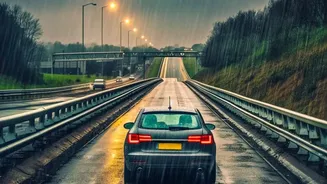
Not all roads are created equal, especially during the monsoon. Some routes, particularly in the higher Himalayas, are notoriously prone to landslides and closures. Research your intended route thoroughly. Check local news and traffic police social media handles for recent updates on road conditions. It’s often wiser to stick to major national highways, which are generally better maintained, than to take scenic shortcuts that might become treacherous. Before you start, give your vehicle a complete check. Ensure your tyres have ample tread, brakes are sharp, and wipers are working perfectly. Driving on wet, winding hill roads requires extra caution. Drive slowly, use lower gears on descents to avoid brake fatigue, and never drive through waterlogged patches if you can't judge the depth. Avoiding night driving is a golden rule for monsoon hill travel.
Stay Updated with Local Alerts
National forecasts are a great starting point, but local alerts are crucial once you are near your destination. District administration and disaster management authorities often use social media to provide real-time updates on road blockages, flash floods, or landslide warnings. It's wise to follow these official handles for the duration of your trip. Additionally, new technologies are making it easier to stay safe. The Geological Survey of India (GSI) recently launched an app called 'Bhooskhalan' to provide early warnings for landslides in vulnerable districts like Darjeeling and Kalimpong. Similarly, states like Kerala have apps that flag landslide vulnerability based on rainfall data. These tools can be invaluable in making last-minute decisions to alter your route or itinerary for safety.
Pack for Every Possibility
Your packing list for a monsoon hill holiday should prioritise function over fashion. The key is layering and waterproofing. Instead of heavy cottons that take forever to dry, opt for synthetic or quick-dry fabrics. A lightweight, waterproof jacket and sturdy, non-slip footwear are non-negotiable. Carry multiple pairs of quick-drying socks. To protect your valuables, use waterproof bags or pouches for electronics and documents. A powerful power bank is essential, as power cuts can be common. Your first-aid kit should be comprehensive, including basics for cuts and bruises, as well as motion sickness tablets for winding roads and insect repellent. Finally, pack some dry snacks and a bottle of purified water in your daypack for any unexpected delays.
Always Have a Backup Plan
The most important part of your checklist is acknowledging that things might not go according to plan. Monsoon travel rewards flexibility. Build buffer days into your itinerary to account for potential delays from roadblocks or bad weather. When booking accommodation, check for flexible cancellation policies. Before you lose mobile network in remote areas, download offline maps of the region. Share your detailed itinerary with family or friends and keep emergency contact numbers for local authorities saved on your phone. Sometimes, the safest and smartest decision is to postpone a planned activity or even wait out a day of heavy rain in your hotel with a hot cup of tea. A backup plan isn't a sign of a failed trip; it's a sign of a smart and responsible traveller.