


Beyond the Silver Vark
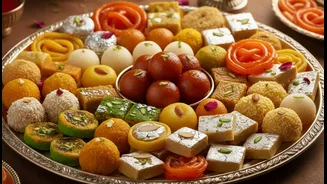
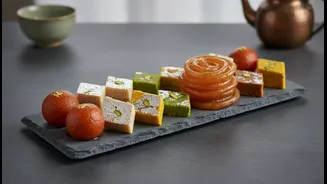
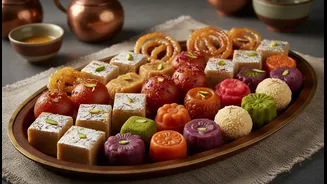
The local halwai shop, with its brightly coloured sweets stacked behind glass counters, is a cornerstone of Indian culture. Yet, a new breed of confectioners is reimagining this experience. They are transforming mithai from a simple festive treat into
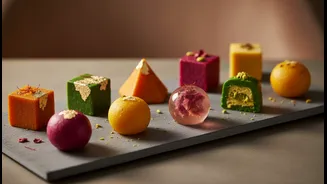
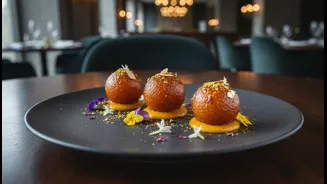
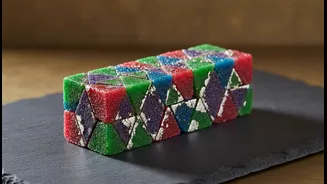
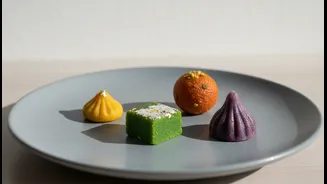
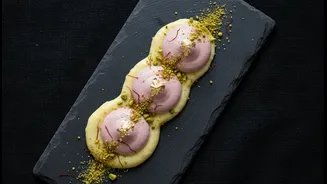
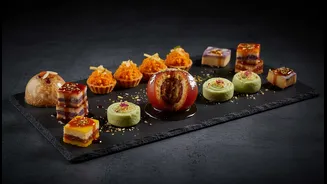
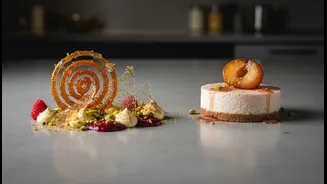
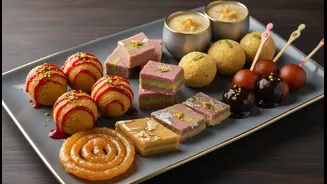
a gourmet product, complete with sophisticated packaging and a compelling narrative. This evolution is not just about aesthetics; it's a fundamental shift in philosophy. Brands like Bombay Sweet Shop, Khoya, and Arq are moving beyond mass production to focus on artisanal, small-batch creations that highlight quality and craftsmanship. The result is a product that feels both nostalgic and refreshingly modern, designed for a new generation of consumers who want their sweets to look as good as they taste. This shift sees traditional sweets presented with the finesse of French patisserie, turning what was once a community-based craft into a mark of culinary artistry.
A Story in Every Bite
The heart of this new movement is storytelling. It's about giving each sweet a history and a sense of place. This narrative can come from a variety of sources. For some, it's about using single-origin or high-quality ingredients, like organic jaggery, high-end nuts, or superfoods like chia and quinoa, to elevate the flavour profile. For others, it’s about a fusion of global flavours and Indian tradition. Brands are experimenting with inventive combinations like coffee-infused Mysore Pak, mojito laddoos, or tiramisu-flavoured khoya. Master Chef Ajay Chopra's brand, Kshir & Canelé, for example, explicitly aims to marry Indian mithai with French patisserie concepts, creating a hybrid that appeals to a global palate. Even the packaging tells a story, moving away from simple cardboard boxes to exquisitely designed, gift-worthy presentations that enhance the entire experience.
The Architects of a New Mithai
This transformation is being led by a diverse group of culinary innovators. They are young entrepreneurs, experienced chefs, and third-generation mithaiwalas who see the potential to innovate within a deeply traditional space. They are not abandoning heritage but building upon it. Many of these new-age confectioners are leveraging social media to build their brands, using visually appealing content to showcase their craftsmanship and connect with customers on a deeper level. By focusing on quality, creativity, and presentation, they are challenging the dominance of Western desserts like chocolates and cupcakes, which had started to replace traditional sweets in urban gifting. This new guard is creating a renewed sense of pride in Indian confectionery, proving that mithai can be both deeply authentic and excitingly contemporary.
A Renaissance of Flavour and Form
This trend is driven by a confluence of cultural and market forces. An increasingly well-travelled and health-conscious Indian consumer is seeking out higher quality, less sugary, and more interesting options. There is a growing demand for sweets made with natural sweeteners like jaggery and dates, as well as vegan and gluten-free alternatives. This has opened the door for brands to experiment and cater to niche dietary preferences. Furthermore, the rise of digital platforms and home delivery services has made these artisanal sweets more accessible than ever before, moving them beyond local shops into a nationwide market. This isn't about replacing the beloved sweets we grew up with, but rather expanding the definition of what Indian mithai can be. It's an evolution that preserves the soul of the original while giving it a form and flavour fit for the 21st century.