


A Party of One, By Choice
The solo diner is no longer an afterthought. This shift is rooted in changing demographics and social norms. In India, while the average household size is decreasing, urbanisation and migration for work are leading to a rise in individuals living and working
alone, at least temporarily. This, combined with a cultural shift that increasingly views solitude as a form of self-care, has dismantled much of the old stigma associated with dining alone. Today, grabbing a table for one is often a deliberate choice—a chance to savour a meal in peace, catch up on work, or simply enjoy the theatre of a bustling restaurant without the need for company. People are seeking experiences, and sometimes, that experience is best enjoyed solo. Restaurants are finally starting to listen, realising that catering to this growing demographic is not just hospitable, but also smart business.
Beyond the Awkward Corner Table
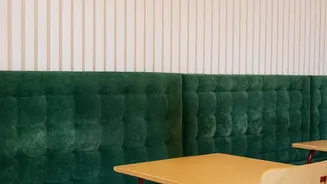
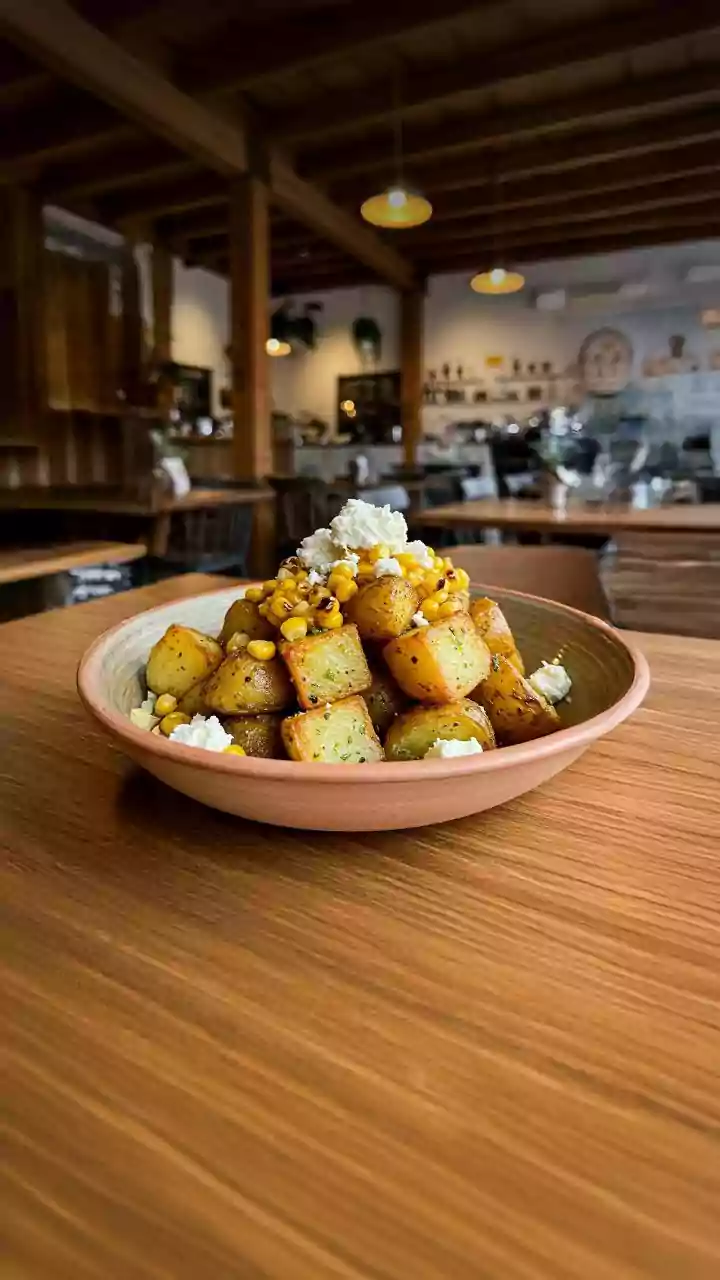
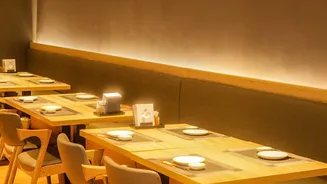
So, what does a restaurant designed for the individual actually look like? The most visible change is in seating. The bar is no longer just a holding pen for waiting patrons; it's a prime dining destination with comfortable, well-spaced stools and full menu service. Similarly, chef's counters and open-kitchen seating have become star attractions, offering a sense of entertainment and connection for solo diners who get a front-row seat to the culinary action. Another popular innovation is the large, communal table. These tables create a subtle sense of community without forcing interaction, allowing a solo diner to feel part of a group without the pressure of conversation. It transforms the experience from 'alone' to 'together, separately', effectively eliminating the feeling of being singled out.
It's All in the Atmosphere
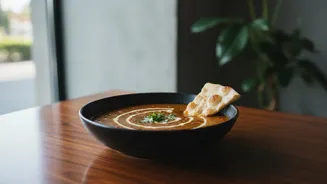
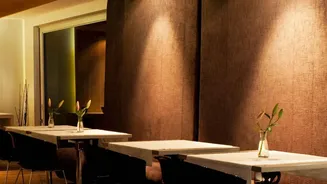
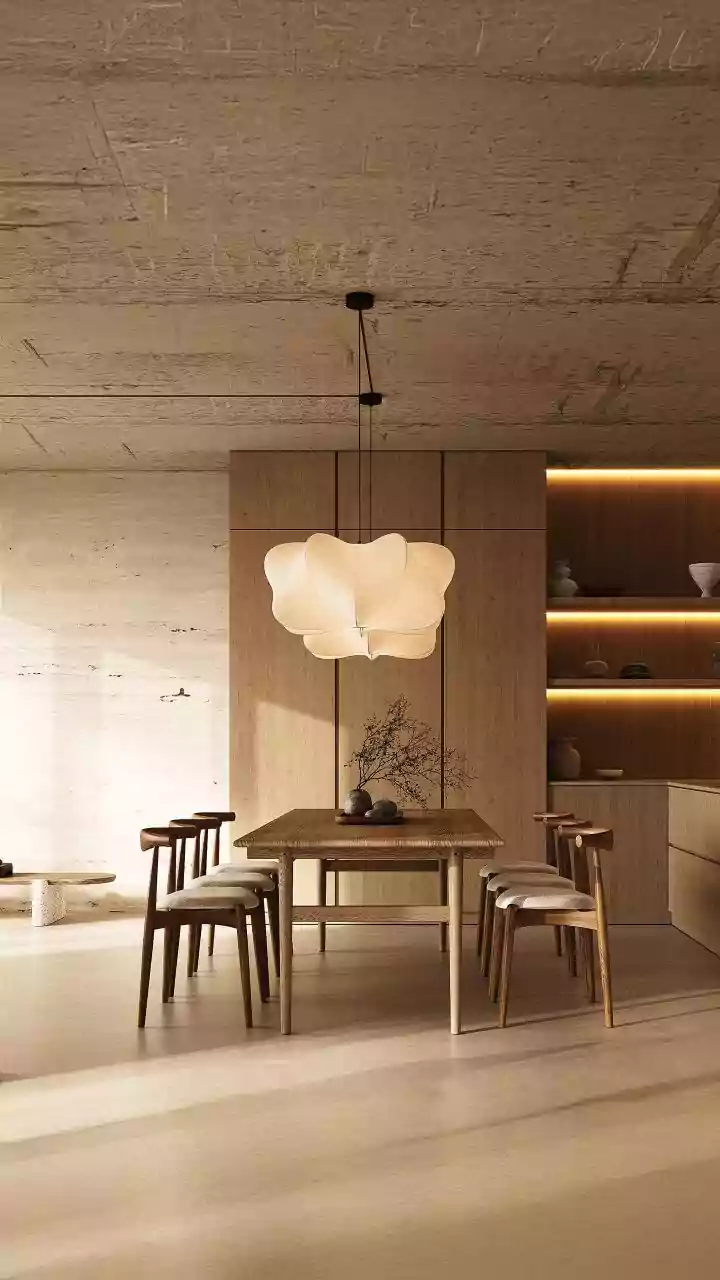
Great design for solo diners goes beyond just seating arrangements. It’s about curating an environment of psychological comfort. Designers are now creating 'zones' within a single restaurant, each with a different energy level. A guest might choose a vibrant bar seat one night and a quieter, more reflective spot with a window view the next. Lighting plays a crucial role, crafted to be intimate and flattering, avoiding the harsh spotlight effect that can make a single person feel uncomfortably exposed. Acoustics are also carefully managed to create a pleasant buzz that’s energetic but not overwhelming, allowing for easy reading or quiet contemplation. Even the menu is adapting, with more restaurants offering small plates and flexible tasting menus that are perfectly portioned for one.
The Technology Connection
In our connected world, being alone doesn't always mean being disconnected. Many solo diners use the time to catch up on emails, read the news, or scroll through social media. Forward-thinking restaurants are embracing this by seamlessly integrating technology into their design. Discreetly placed power outlets and USB charging ports at the bar, counters, and even at some individual tables are becoming a new standard of hospitality. It’s a simple but powerful signal to the customer that they are welcome to linger. By accommodating the modern diner's digital life, restaurants are transforming what might have been a quick meal into a longer, more pleasant, and ultimately more profitable stay. It acknowledges that for many, a good meal and a fully charged phone are both essential components of a successful outing.
The Business of Going Solo
The financial incentive for restaurants to court solo diners is compelling. Individuals can be incredibly valuable customers. They often help fill the single empty seats at tables or bars that would otherwise go unused, maximising a restaurant's capacity. Furthermore, solo patrons tend to turn tables more quickly than larger groups, which can increase revenue during peak hours. They are also often professionals with disposable income who appreciate quality and are less sensitive to price. By investing in thoughtful design that welcomes these guests, restaurants are not just making a social statement; they are making a shrewd business decision. They are tapping into a loyal market segment that values good food and a comfortable atmosphere, and is willing to pay for it.