






The Great Indian Ticketing Lottery
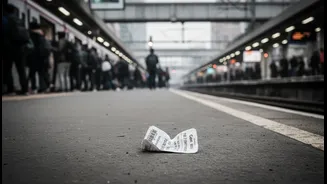
Every day, countless Indians navigate the digital maze of the IRCTC website, a ritual defined by frantic clicking, captcha puzzles, and the ultimate moment of truth: a confirmed berth or a number on a seemingly endless waitlist. According to data, a staggering
3.39 crore passengers were unable to travel in the 2025-26 fiscal year because their waitlisted tickets never got confirmed. That's nearly 93,000 people a day whose plans for work, family, or emergencies were derailed. The system, a complex web of General Quota, Tatkal, Premium Tatkal, and various other categories, feels more like a lottery than a public service. For popular routes, tickets often move directly into waitlist status the moment bookings open. While the Railways has introduced measures like Aadhaar authentication for first-day bookings to curb misuse by agents, the core issue remains: overwhelming demand consistently outstrips the available supply of affordable travel.
More Than a Numbers Game
The waitlist problem isn't just about the numbers; it's about the human cost. It’s the migrant worker unable to get home for a festival, the student who might miss an entrance exam, or the family forced to cancel a long-awaited vacation. The uncertainty it creates forces people into expensive last-minute alternatives like flights or buses, or into the dangerous and illegal practice of travelling in overcrowded general compartments. Indian Railways is the lifeline of the nation, a service that is meant to be accessible and affordable for all. However, the current state of affairs suggests a system under immense strain. While the government has focused on launching new trains and upgrading tracks, the fundamental experience of securing a seat remains a significant challenge for the common citizen.
Are 'Clone Trains' and 'Specials' Enough?
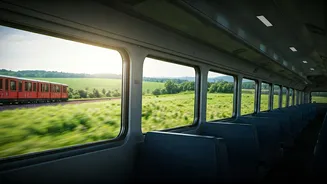
To its credit, Indian Railways has attempted to manage the surge. The introduction of 'Special' trains during peak seasons and the 'Clone Train' scheme are direct responses to high-demand routes. A clone train is essentially a duplicate service that runs on the same route shortly after the original train if there's a long waitlist. While these measures provide some relief, they are often seen as temporary, ad-hoc solutions rather than a systemic fix. These special services, while helpful, don't address the core predictability problem. They are reactive, deployed only when a waitlist has already grown to an unmanageable size. This leaves passengers in limbo until the last moment, unable to make firm plans. A truly modern railway system shouldn't just react to demand; it should anticipate and manage it efficiently.
A Digital Lifeline on the Horizon?
There is a glimmer of hope on the digital front. Indian Railways is in the process of a massive overhaul of its nearly 40-year-old Passenger Reservation System (PRS), set to be rolled out from August 2026. This new cloud-based platform promises a five-fold increase in booking capacity, from around 32,000 to 1.5 lakh tickets per minute. This is expected to significantly reduce the crashes and slowdowns that plague the system during high-traffic periods like the Tatkal window. Furthermore, the system will integrate AI-powered tools to predict waitlist confirmation chances with up to 94% accuracy, a significant jump from previous years. After a public call-out from a student, the Railway Minister has also set a deadline of July 15, 2026, for a new, more user-friendly IRCTC website. These are welcome and long-overdue technological advancements.
The Path to Confirmed Travel
A new website and a faster backend are crucial, but they won't solve the problem alone. The real challenge, as many experts point out, is the fundamental gap between demand and supply. To truly move beyond waitlist luck, a multi-pronged strategy is essential. This includes not just adding more coaches and tracks but also embracing smarter, more dynamic systems. We need more sophisticated demand forecasting to plan services proactively. We need a dynamic pricing model that is fairer and more transparent than the current Premium Tatkal system, which often feels punitive. And perhaps most importantly, we need a cultural shift within the Railways that places passenger certainty at the heart of its operations. The goal should be to make the waitlist a rare exception, not the default rule.