

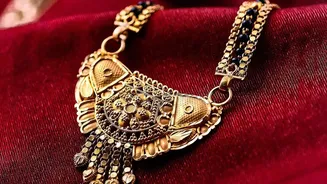
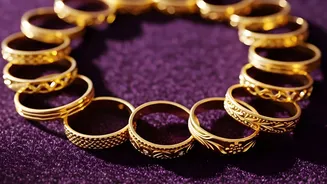

The Meaning of 24 Karats
First, let's clarify what 'karat' means. The karat system measures the purity of gold out of 24 parts. Therefore, 24K gold is 99.9% pure gold, with virtually no other metals mixed in. This purity gives it that distinct, rich, and vibrant yellow colour
that is so captivating. It's the benchmark for gold bullion, such as coins and bars, where purity is the most important factor for investors. When you hear about 24K gold, you are talking about gold in its most authentic and unadulterated state.
The Practical Problem: It's Too Soft
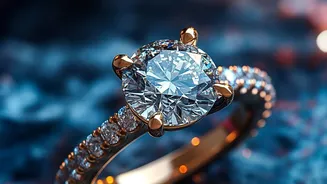
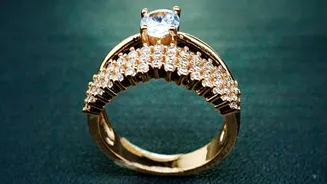
The biggest reason 24K gold isn't the go-to for jewellery is its softness. Pure gold is an extremely malleable metal. On the Mohs scale of hardness, it scores only a 2.5, which is softer than a human fingernail. This means a ring or bracelet made from pure gold would scratch, dent, and bend out of shape with remarkable ease during daily wear. For any piece intended to hold a precious stone, this softness is a major liability; the prongs holding a diamond could easily bend, putting the gem at risk. Simply put, its purity is also its weakness in the context of wearable items.
The Solution: Stronger, Smarter Alloys
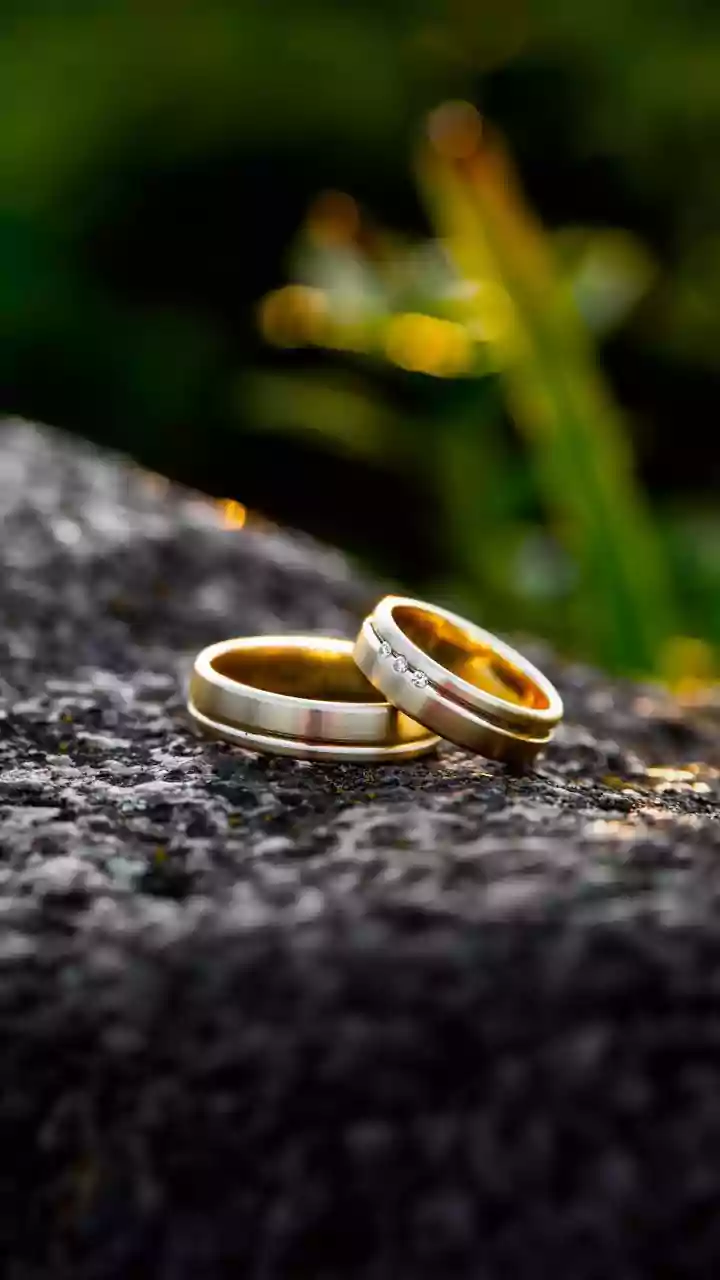
To solve the durability problem, jewellers create alloys by mixing pure gold with other metals like silver, copper, zinc, and palladium. This process results in the more common gold varieties you see in stores: 18K and 14K. An 18K gold piece contains 75% pure gold (18 out of 24 parts), while 14K contains 58.3% pure gold. These added metals significantly increase the hardness and strength of the gold, making it suitable for crafting jewellery that can withstand the rigours of everyday life. An 18K or 14K gold ring is far more resistant to scratches and will maintain its shape for years.
A World of Colour and Cost
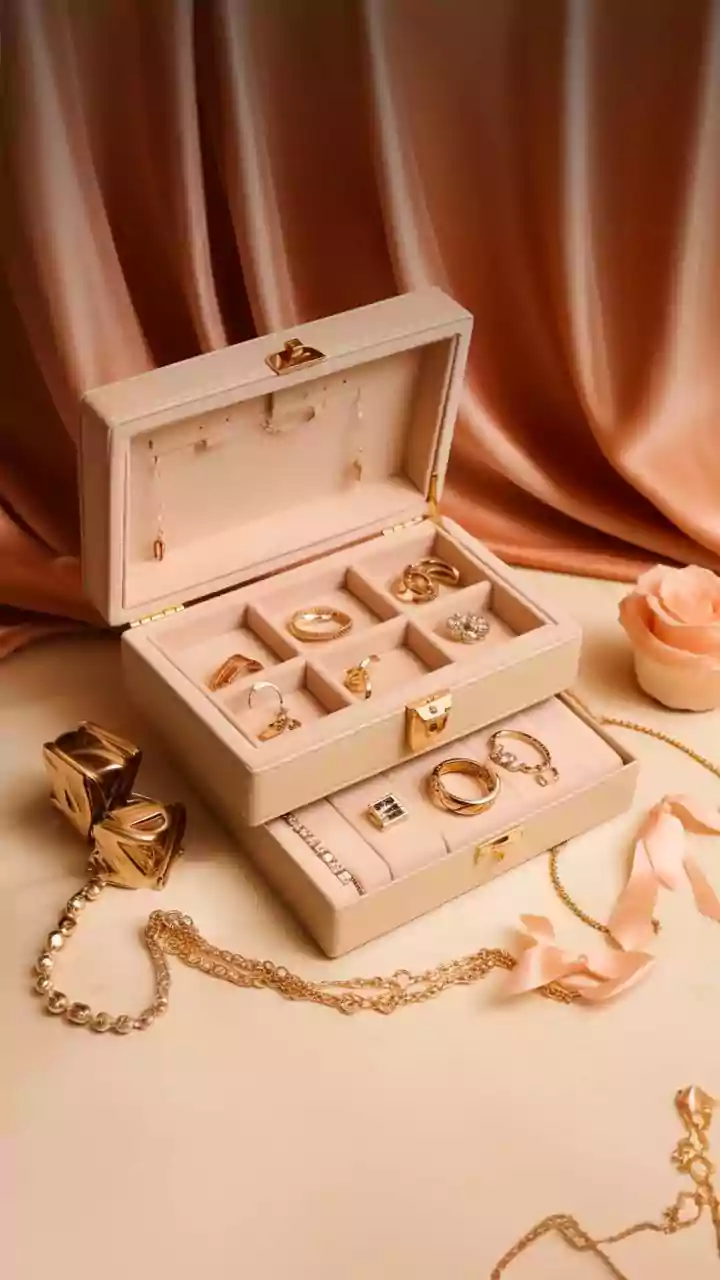
Alloying doesn't just add strength; it also allows for creativity in colour and helps manage cost. By changing the mix of metals, jewellers can create different shades of gold. Adding more copper results in the warm blush of rose gold, while using white metals like palladium or nickel creates the sleek, silvery look of white gold. Furthermore, since pure gold is the most expensive component, using less of it reduces the overall price of the piece. This makes beautiful gold jewellery accessible to a wider range of budgets without sacrificing design. An 18K piece offers a balance of high purity and workability, while 14K provides even greater durability at a more accessible price point.
The Cultural Sweet Spot: The Role of 22K Gold
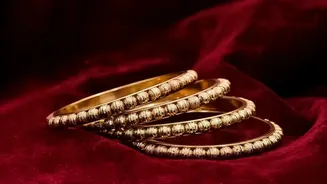
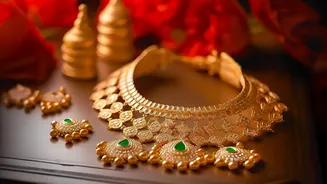
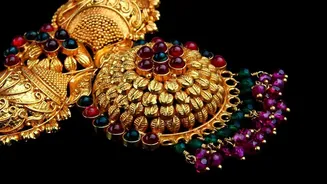
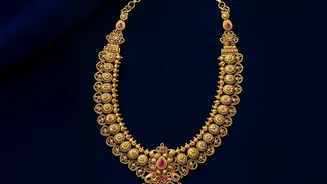
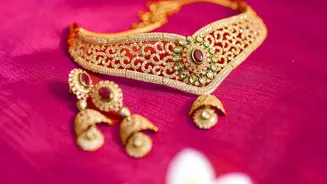
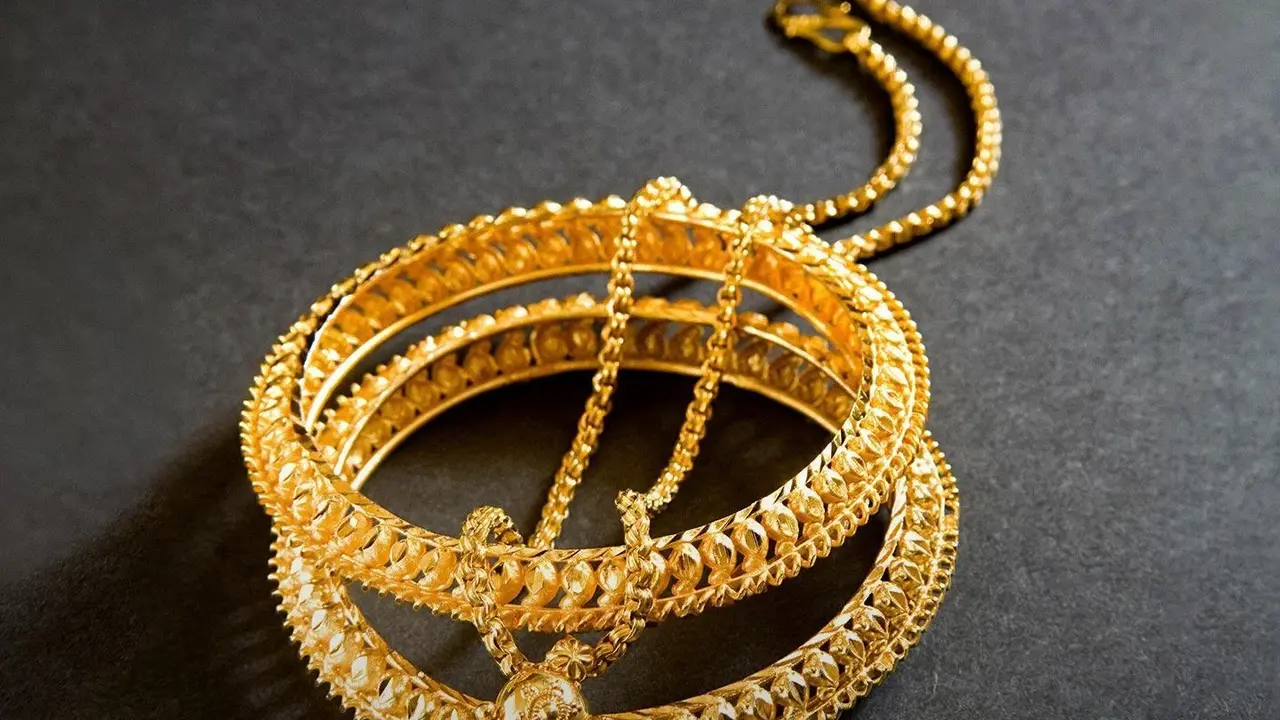
In India, there's a strong cultural preference for 22K gold, which is approximately 91.6% pure gold (often marked with '916'). This type of gold is deeply woven into traditions, festivals, and weddings, symbolising prosperity and good fortune. It strikes a unique balance that is highly valued: it has a rich, deep yellow colour very close to pure gold but possesses enough durability for creating the intricate and elaborate designs seen in traditional Indian jewellery. While still softer than 18K, 22K gold is considered the ideal choice for bridal sets, necklaces, and bangles that are cherished as both adornments and family heirlooms.