


Prioritise Drainage Above All
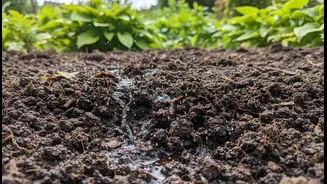
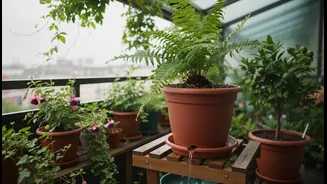
The single most important factor for plant survival during heavy rains is excellent drainage. Roots that sit in waterlogged soil cannot access oxygen and will quickly begin to rot. Start by ensuring every single pot has multiple drainage holes. Before
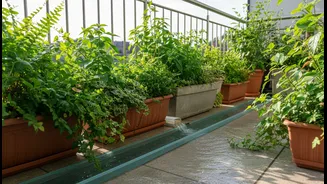
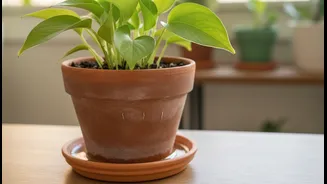
the rains arrive, check to see if existing holes are clear of compacted soil or old roots. A pot resting flat on the balcony floor can prevent water from escaping, even with holes. The simple act of elevating your pots on bricks, pot feet, or small stands creates a vital air gap that allows excess water to drain away freely. During rainy spells, it's also wise to remove any saucers or self-watering trays that collect and hold water.
Group Plants for Mutual Protection
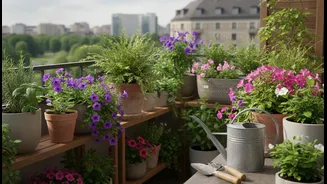
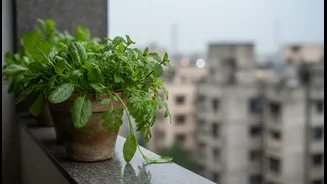
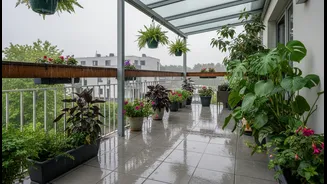
Think of your plant arrangement as a defensive formation. Placing pots strategically can create a micro-shelter that benefits all your plants. Position taller, heavier, and more robust plants on the side of your balcony that receives the most wind and driving rain. These sturdy plants act as a natural windbreak, shielding the more delicate ones placed behind them. Grouping pots closer together also increases their collective stability, making them less likely to be tipped over by strong gusts. This arrangement not only protects against wind and rain but also creates zones for plants with different needs, allowing you to place sun-lovers and shade-tolerant species in their preferred spots.
Move Pots Away from Edges
For sun exposure, many gardeners place pots right along the balcony railing. However, during the rainy season, this is the most vulnerable position. High winds accompanying a storm can easily topple or even blow pots off a railing, creating a significant safety hazard. Before the monsoon sets in, audit your balcony layout and move all pots, especially lightweight plastic ones, away from the open edges and closer to the relative safety of the building wall. This simple shift dramatically reduces the risk of wind damage and loss.
Use Vertical Space and Shelters Wisely
Vertical gardening is a great space-saver, but hanging baskets and railing planters are particularly exposed during a storm. Their constant swinging in the wind can cause damage to the plants and the baskets themselves. If possible, bring hanging plants indoors or to a more sheltered spot during periods of intense rain and wind. For plants that cannot be moved, consider temporary shelters. A plastic sheet, an old bedsheet, or a purpose-made netting can be tied up to serve as a temporary barrier against harsh, sideways rain and strong winds. Some gardeners even install retractable screens that can be deployed when needed.
Choose the Right Pot Material
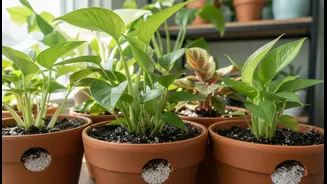
The material of your pot plays a role in how it handles excess water. Porous materials like unglazed terracotta allow water to evaporate through their walls, which helps the soil dry out faster after a downpour. However, they are also heavier. Lightweight plastic pots are easier to move but retain more moisture and are more susceptible to being blown over. For very large planters, fiberglass is a durable, weather-resistant option that doesn't retain excessive moisture. Regardless of material, ensure your potting mix is well-draining; adding components like perlite can improve aeration and prevent the soil from becoming compacted and waterlogged.