


In our quest for better health, we often crown certain foods as heroes. Sunflower seeds, sprinkled over breakfast, are a perfect example. But can one ingredient truly safeguard our hearts? The answer is more complex than a simple yes or no.
The Allure of a Super Seed
It’s easy to
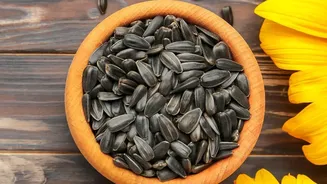
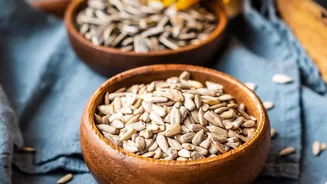
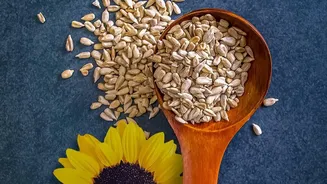
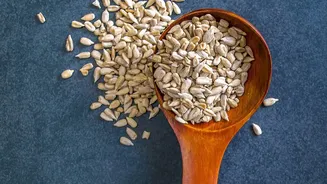
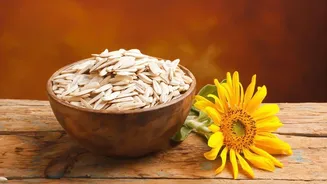
see why sunflower seeds have earned a health halo. These tiny kernels are nutritional powerhouses. They are packed with vitamin E, a potent antioxidant that helps protect cells from damage and reduces inflammation, a known factor in heart disease. They are also a fantastic source of 'good' fats—specifically polyunsaturated and monounsaturated fats—which studies have linked to lower rates of cardiovascular disease by helping reduce 'bad' LDL cholesterol. Furthermore, sunflower seeds deliver a healthy dose of magnesium, a mineral crucial for regulating blood pressure by helping blood vessels relax. Add in plant-based protein, fiber, and other beneficial compounds like selenium and zinc, and you have an ingredient that seems custom-made for a heart-healthy label.
When More Is Not Better
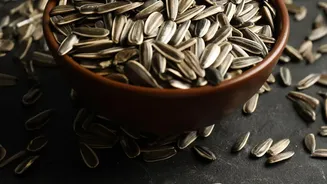
Here’s where the 'single-ingredient' mindset fails. While sunflower seeds are healthy, moderation is critical. They are calorie-dense, and a small serving of about a quarter cup contains around 175 calories. Consuming them mindlessly can easily lead to weight gain, which is a significant risk factor for heart problems. Another major issue is sodium. Many commercially available sunflower seeds are roasted and heavily salted. A diet high in sodium can contribute to high blood pressure, directly undermining the heart-protective benefits you’re seeking. Overconsumption can also lead to an excessive intake of certain minerals like phosphorus, or even saturated fat, which, despite the healthy fats present, can still add up if you're not careful. Digestive issues like bloating or diarrhea can also occur from eating too many due to their high fiber and fat content.
The Myth of the Magic Bullet
The core issue is that no single food or ingredient works in isolation. Our health is the result of our overall dietary pattern—the sum of everything we eat and drink over time. Nutrition science has moved away from labeling foods as simply 'good' or 'bad' and instead emphasizes the importance of a total diet approach. Focusing on one 'superfood' creates a false sense of security and ignores this bigger picture. You cannot neutralize a diet filled with processed foods, sugar, and unhealthy fats by simply sprinkling some seeds on your morning cereal. True heart health comes from a pattern of eating that is rich in a variety of nutrient-dense foods. This holistic view is more powerful than any individual ingredient.
Building a Truly Heart-Healthy Breakfast
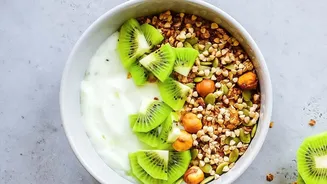
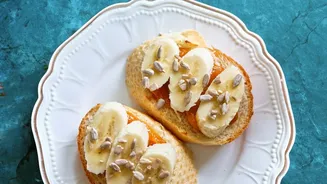
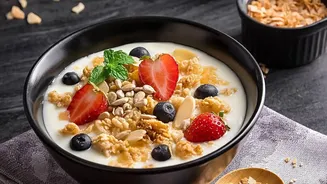
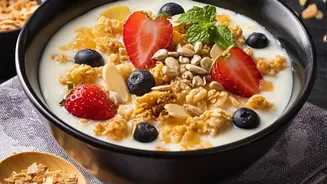
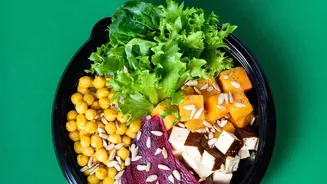
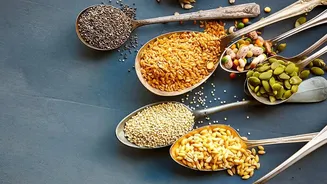
So, how should you incorporate sunflower seeds? Think of them as part of a team, not the star player. A truly heart-healthy breakfast is about synergy. Pair a sensible portion of unsalted sunflower seeds with other beneficial foods. For instance, sprinkle them over a bowl of oatmeal, which provides soluble fiber known to lower cholesterol. Add them to a parfait with plain Greek yogurt for protein and berries for antioxidants. Blend them into a smoothie with spinach, fruit, and a healthy liquid base. Or toss them onto avocado toast on whole-grain bread for a combination of healthy fats and fiber. The goal is to build a meal that is balanced with fiber, protein, healthy fats, and a variety of vitamins and minerals.
Beyond the Plate: A Holistic View
Finally, remember that diet is just one piece of the cardiovascular puzzle. A heart-healthy lifestyle extends far beyond the breakfast table. Regular physical activity, managing stress, getting enough quality sleep, and avoiding smoking are all nonstoppable pillars of longterm heart health. Sprinkling sunflower seeds on your yogurt is a positive step, but it must be part of a broader commitment to overall wellness. The synergy between a balanced diet and a healthy lifestyle is where the real magic happens, creating a resilient foundation for your heart that no single ingredient can ever provide on its own.