







Understanding the Ground Beneath Our Feet
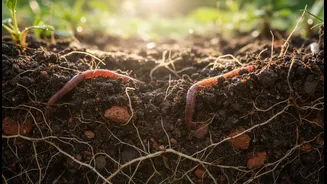
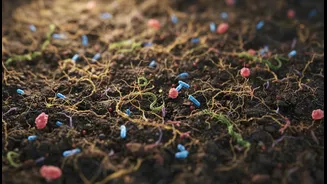
Soil literacy is more than just knowing about dirt; it's the ability to see soil as a living, breathing ecosystem. It involves understanding its physical, chemical, and biological properties and how they interact to support plant life. For a farmer, this
means knowing their land's specific nutrient profile, its capacity to hold water, and the health of its microbial population. A literate farmer doesn't just apply fertilisers; they manage soil health. They know that a teaspoon of healthy soil can contain billions of microorganisms that are vital for nutrient cycling. This understanding transforms farming from a simple act of cultivation into a partnership with a complex natural system, leading to better crop yields, lower input costs, and more resilient farms.
A Silent Crisis: The State of Indian Soil
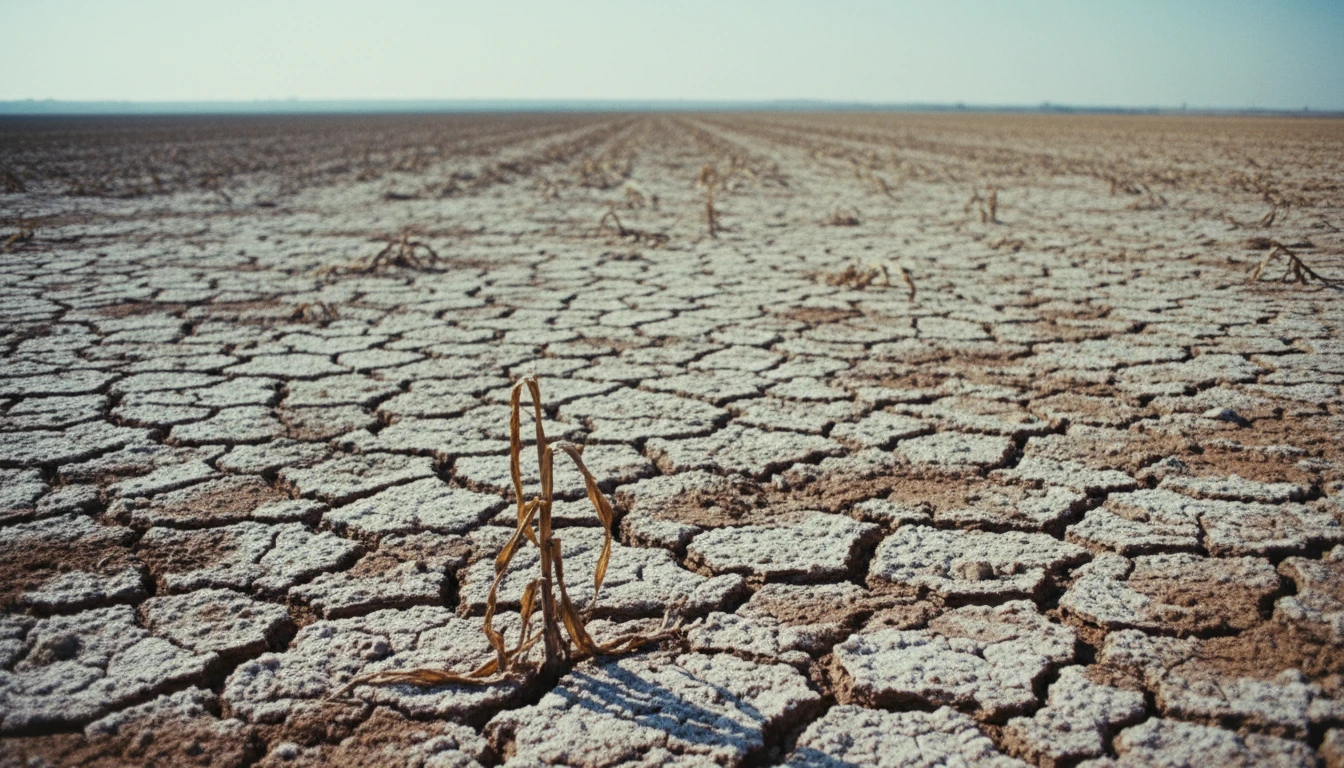
India's agricultural success since the Green Revolution has come at a cost. Decades of intensive farming, monoculture, and an over-reliance on chemical fertilisers have taken a heavy toll. Today, it is estimated that nearly 30% of India's total land area is degraded. A significant portion of this degradation stems from inappropriate agricultural practices. Studies have revealed widespread deficiencies of essential nutrients. Many soil samples across the country show low levels of organic carbon, which is crucial for soil structure and water retention, as well as deficiencies in nitrogen, phosphorus, and key micronutrients. This imbalance is largely driven by the skewed use of fertilisers, particularly nitrogen-heavy urea, which is heavily subsidised. The result is a silent crisis: soils that are less fertile, less resilient to climate shocks like droughts and floods, and increasingly dependent on ever-larger doses of chemical inputs.
The Challenge of the Soil Health Card
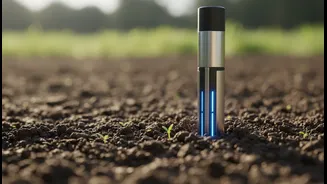
The Indian government has not been idle. The Soil Health Card (SHC) scheme, launched in 2015, was a monumental effort to bridge the knowledge gap. The program has generated one of the world's largest soil databases, issuing hundreds of millions of cards to farmers with customised nutrient recommendations. In principle, the SHC is a powerful tool for soil literacy, providing a snapshot of 12 key soil parameters. Studies have shown that when farmers follow SHC recommendations, they can reduce chemical fertiliser use by 8-10% while increasing yields by 5-6%. However, implementation has faced challenges. Criticisms point to issues like slow turnaround times for testing, uneven sampling quality, and cards that are too technical for many farmers to understand. Many farmers still rely on the advice of input dealers, whose incentives are tied to sales rather than soil balance. For the SHC to be truly effective, it must evolve from a data collection exercise into a practical, farmer-friendly educational tool.
Cultivating Knowledge and New Practices
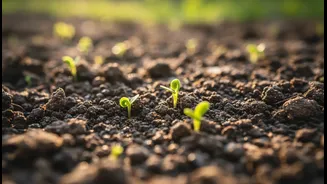
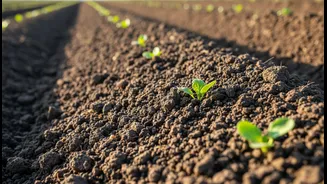
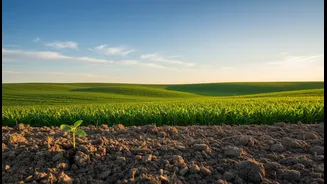
Building widespread soil literacy requires a multi-pronged approach that goes beyond just testing. It involves promoting sustainable practices that naturally build soil health. This includes techniques like crop rotation, using cover crops to prevent erosion, minimising tillage, and integrating organic inputs like compost and manure. Government initiatives like the National Mission for Sustainable Agriculture and PM-PRANAM aim to encourage these practices. There's also a growing movement towards reviving traditional farming wisdom and combining it with modern science. Farmer Producer Organisations (FPOs) and NGOs are playing a crucial role in training farmers in sustainable methods, such as using bio-fertilisers and practicing integrated pest management. In states like Andhra Pradesh, large-scale community-managed natural farming initiatives are demonstrating that it is possible to transition away from chemical-dependent agriculture while maintaining productivity.