




The End of the Off-Season
For years, Indian travellers could rely on the monsoon months for last-minute deals and sparsely populated resorts. That calendar is being rewritten. Travel industry leaders report a structural shift, with the monsoon emerging as a powerful travel driver
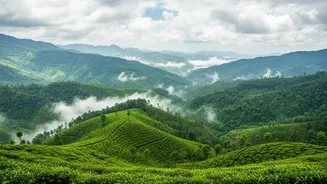
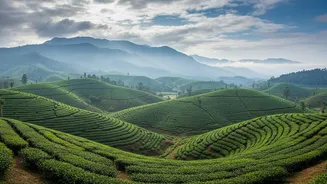
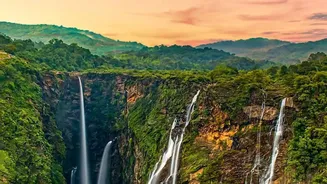
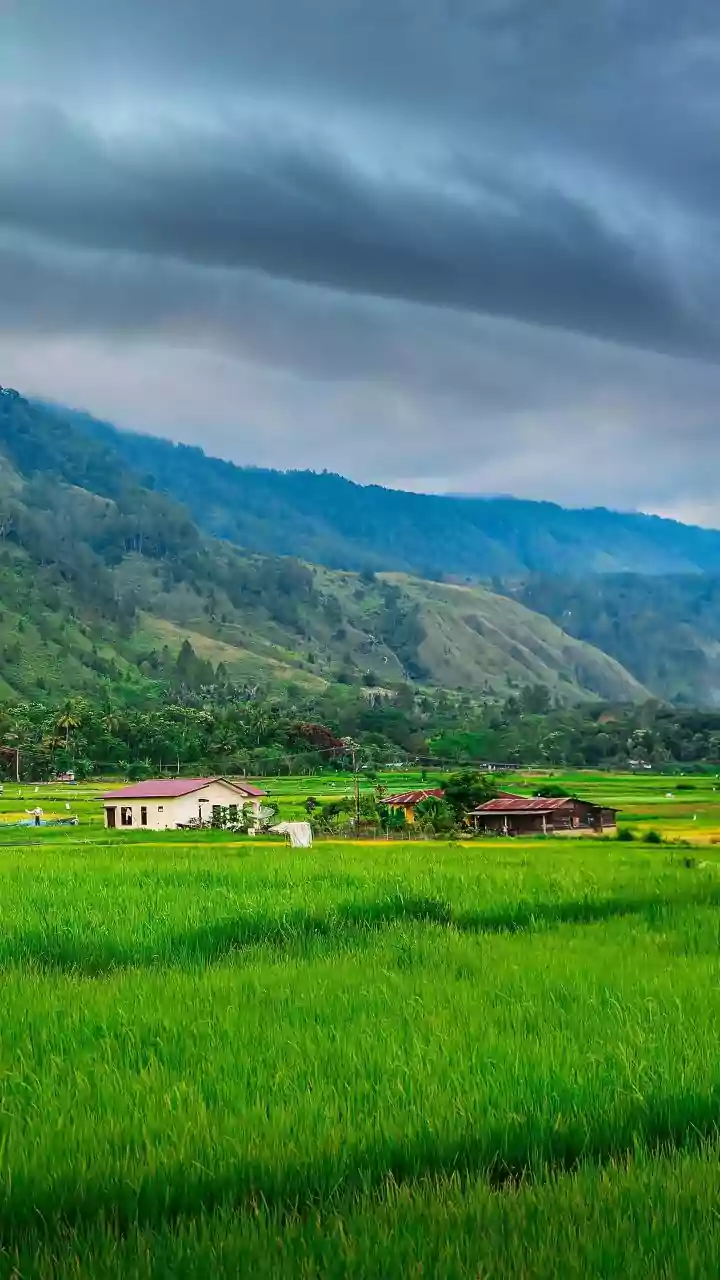
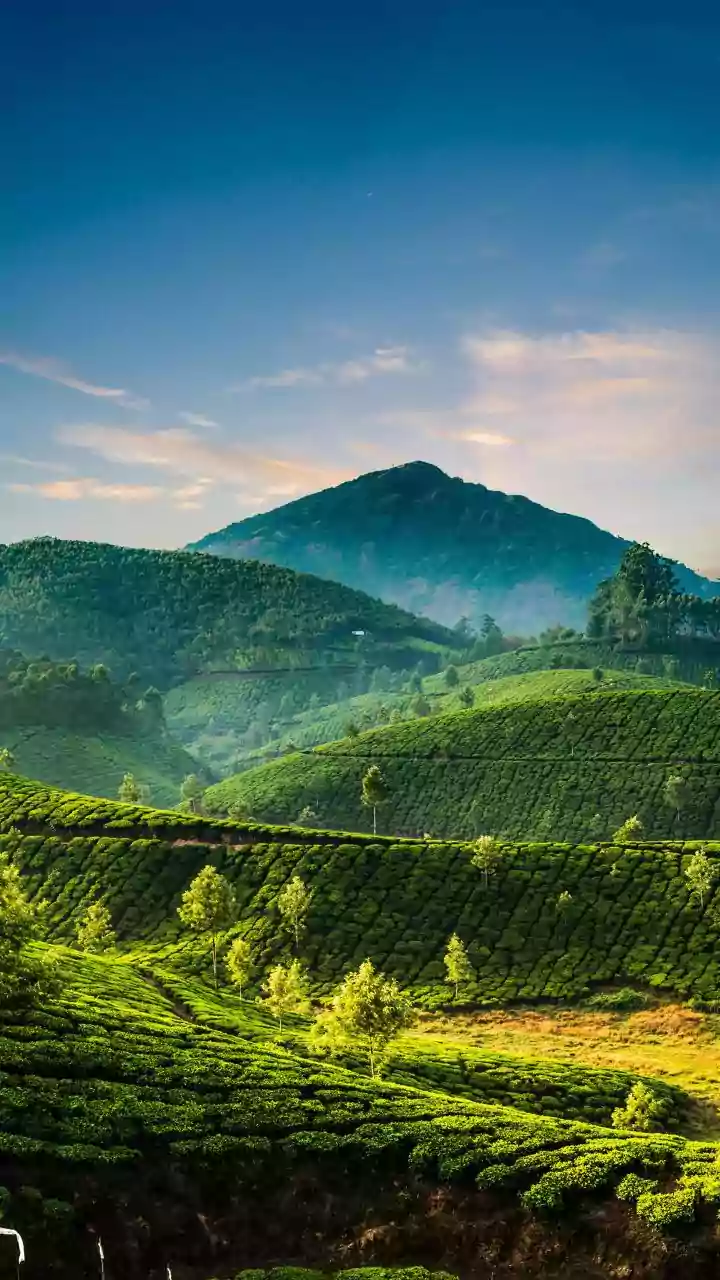
in its own right. Hotel chains like Radisson Hotel Group have seen July bookings pacing nearly 10% ahead year-on-year, while hotel bookings overall have jumped over 50%. This isn't a limited trend; it's a fundamental change in travel behaviour. The traditional concept of an 'off-season' is fading as travellers embrace the unique beauty of a rain-soaked India, driven by the rise of remote work, a preference for shorter, more frequent trips, and the appeal of lush, green landscapes.
Where the Crowds Are Going
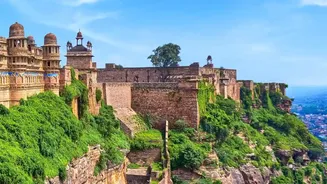
The demand is widespread, benefiting classic destinations and uncovering new favourites. Perennial monsoon hotspots like Kerala and Goa continue to see robust demand. In Goa, hotel tariffs that once dropped significantly during the rains are now resilient due to sustained interest. Hill stations are experiencing an explosive boom. Wayanad in Kerala has seen hotel bookings surge by over 160%, with nearby Alleppey up by over 145%. In the north, destinations like Rishikesh and Mussoorie have registered search growth of over 200% and 160% respectively. The Northeast is a breakout star, with Nagaland and Arunachal Pradesh recording a 62% year-on-year rise in flight bookings as travellers seek out their unique landscapes. Heritage cities like Udaipur and Jaipur also remain popular, their palaces taking on a romantic sheen in the overcast light.
Why Waiting Now Costs You More
With this surge in popularity, the biggest change for travellers is the sharp decline in last-minute availability and deep discounts. Procrastination now comes with a price tag. Resilient demand means hotels are no longer slashing prices to fill rooms. Travellers who wait are likely to face higher fares for flights and limited choices for accommodation, especially at sought-after boutique hotels and resorts with high ratings. The most popular destinations and properties are getting booked out weeks, if not months, in advance. This trend is particularly noticeable for long weekends, which see a spike in demand for accessible 'drive-to' destinations. Essentially, the spontaneous, budget-friendly monsoon trip is being replaced by the well-planned vacation, and those who don't adapt may be left with fewer, and more expensive, options.
Your Early Booking Playbook
Navigating this new travel landscape requires a shift in strategy from spontaneity to foresight. To secure the trip you want without overpaying, planning is key. According to travel industry experts, the sweet spot for booking a monsoon break is now 30 to 60 days in advance. This window typically offers the best balance of competitive pricing and good availability. Booking within this timeframe can lead to savings of 20-40% on hotel tariffs compared to booking last minute. Be flexible with your dates if you can; travelling on weekdays instead of weekends can unlock better prices. Set up price alerts for flights and hotels for your desired destinations to catch deals as they appear. Don't overlook package deals from travel operators, who often secure blocks of rooms and flights and can offer early-bird discounts. Finally, consider exploring less-hyped destinations, which may still offer the charm of the monsoon without the peak-season rush.