





Why Monsoon Nights Cause Pet Anxiety
For many dogs and cats, the intense sounds of a monsoon—cracking thunder, howling winds, and drumming rain—trigger a powerful fear response. Their sensitive hearing can make these noises overwhelming, activating a natural fight-or-flight instinct. This
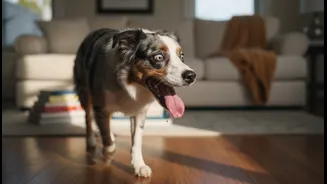
isn't just a simple fright; it's a physiological event known as noise aversion or phobia, which can cause significant distress. The anxiety manifests in physical ways, including a racing heart, panting, trembling, and a desperate need to hide. Understanding that this is a genuine panic attack, not just bad behaviour, is the first step toward helping them cope.
Know Your Pet's Normal Heart Rate
Before you can identify an abnormal heart rate, you need to know what's normal for your pet when they are calm and resting. A dog's resting heart rate varies by size: large dogs are typically between 60-90 beats per minute (bpm), medium dogs are 70-110 bpm, and small dogs or puppies can be 90-140 bpm or higher. Cats generally have a faster normal resting heart rate, usually between 120 and 220 bpm. Take time to measure your pet’s resting heart rate on a quiet day so you have a baseline. This number will be your most important reference during a stressful event like a thunderstorm.
A Step-by-Step Guide to a Manual Check
You don't need special equipment to check your pet's heart rate. The easiest way is to feel for their pulse using the femoral artery, located on the inside of their hind leg, high up near their body. Place two fingers in this groove until you feel a steady beat. Alternatively, you can place your hand on the left side of their chest, just behind the elbow, to feel the heartbeat directly. Once you've found the pulse, use a watch or your phone's stopwatch to count the number of beats in 15 seconds. Multiply that number by four to get the total beats per minute. Try to do this when your pet is as calm as possible for an accurate reading.
Interpreting an Elevated Heart Rate
During a thunderstorm, it's normal for your pet's heart rate to increase due to anxiety. However, the key is to watch for how high it goes and how long it stays elevated. A racing heart, combined with other signs of severe distress like frantic pacing, non-stop panting, excessive drooling, trembling, or trying to escape, indicates a high level of panic. While a brief spike is expected, a heart rate that remains significantly above their normal resting baseline for an extended period is a sign that your pet is not coping well with the stress.
Simple Ways to Calm Your Pet
When you notice your pet's anxiety rising, your calm presence is crucial. Create a safe, cosy 'den' for them in a quiet part of the house, like a crate with a blanket over it or a walk-in closet. Closing the curtains to block lightning flashes and playing soft music or white noise can help muffle the thunder. Distractions like a long-lasting chew or a food puzzle can also shift their focus. Pressure wraps, like a snug-fitting t-shirt or a commercial ThunderShirt, can have a swaddling, calming effect on many anxious dogs.
When a High Heart Rate Is an Emergency
While noise anxiety is common, a persistently racing heart can put a strain on your pet's system. You should seek immediate veterinary care if an elevated heart rate is accompanied by signs of extreme distress such as difficulty breathing, pale or bluish gums, weakness, or collapse. These could be signs of severe shock or an underlying cardiac condition exacerbated by stress. Trust your instincts; if your pet's reaction seems severe or they are not calming down, it's always safest to call a veterinarian for guidance.