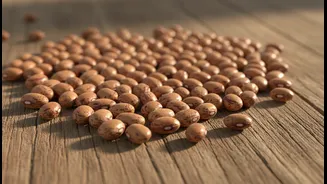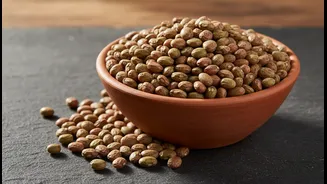

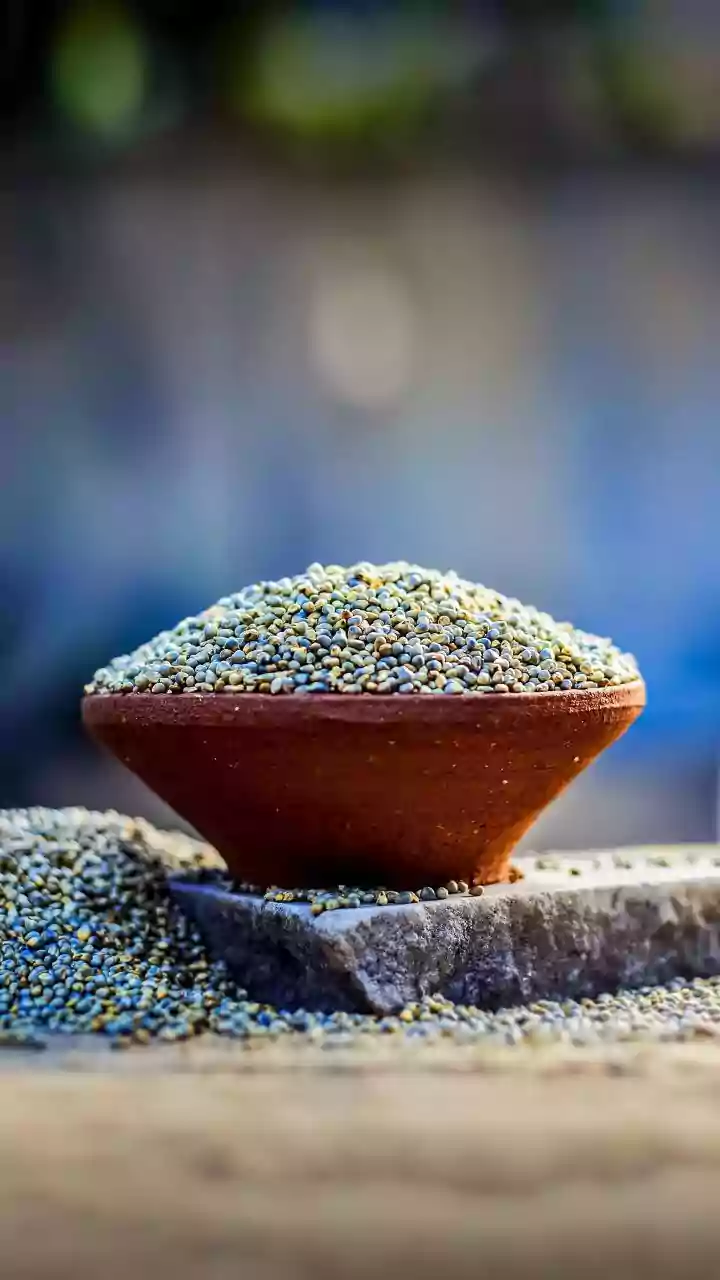


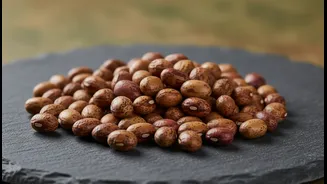


The Nutritional Heavyweight
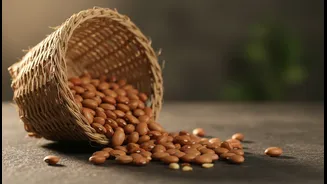
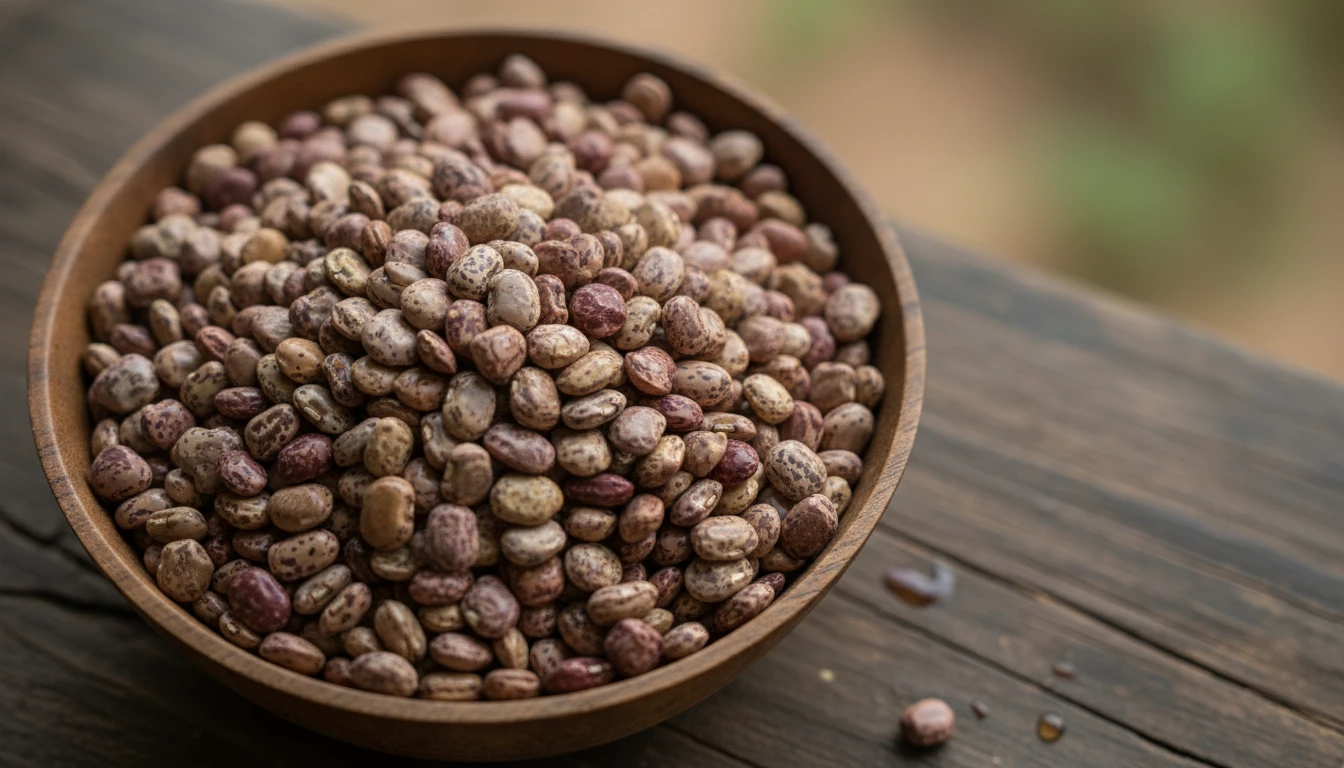
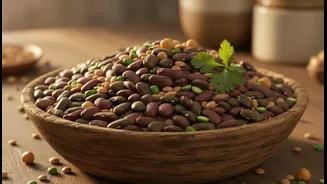
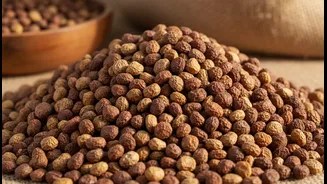
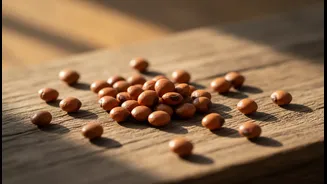
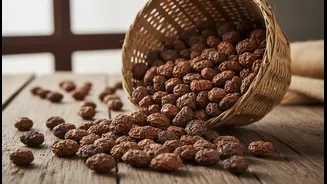
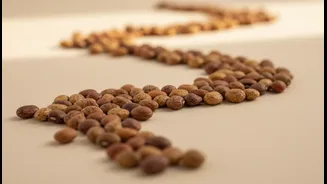
Often called a 'superfood', horse gram earns this title with a dense nutritional profile. It's an excellent source of plant-based protein, crucial for muscle repair and growth, making it a fantastic ingredient for vegetarian and vegan diets. Beyond protein, it is packed
with both soluble and insoluble dietary fibre, which aids digestion, promotes a feeling of fullness, and can help in weight management. The dal is also rich in essential minerals, boasting high levels of calcium for bone health, and iron, which is vital for maintaining healthy haemoglobin levels and combating fatigue. Many studies have also highlighted its low glycemic index, meaning it releases sugar into the bloodstream slowly, which can be beneficial for managing blood sugar levels.
Traditional Wisdom and Modern Science
For centuries, Ayurveda has celebrated horse gram for its therapeutic properties, often classifying it as a 'heating' food that generates energy and warmth. Traditional medicine has used it to address a variety of ailments, including kidney stones, respiratory issues like coughs and colds, and menstrual problems. Modern research is beginning to explore these claims. Some animal studies and lab analyses suggest that compounds in horse gram may have anti-inflammatory and antioxidant properties. It is also being looked at for its potential role in managing cholesterol, as some studies indicate it could help reduce levels of 'bad' LDL cholesterol. While much of the scientific evidence is still preliminary and requires more human studies, it points towards the wisdom held in traditional practices.
What Still Needs Checking: The Cautions
Despite its many benefits, horse gram isn't for everyone and requires careful preparation. One of the main points to check is its content of 'antinutrients' like phytic acid. These compounds can bind to minerals like iron and calcium, potentially reducing their absorption in the body. However, traditional preparation methods like soaking, sprouting, or thorough cooking significantly reduce these antinutrients, making the nutrients more available. Another consideration is its digestive impact; the specific carbohydrates in horse gram can cause gas and bloating for some people, especially when consumed in large quantities. Furthermore, due to its properties, individuals with gout, high acidity, or certain kidney issues are often advised to consume it in moderation or avoid it. Ayurvedic tradition also suggests pregnant women should be cautious due to its heat-generating nature.
Bringing Horse Gram to Your Table
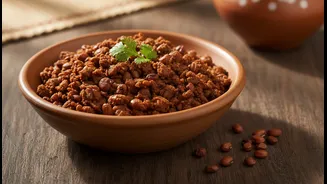
To make the most of horse gram, preparation is key. Soaking the dal overnight or for at least eight hours is the most crucial first step. This not only cuts down on cooking time but also helps in breaking down the complex compounds that can make it hard to digest. After soaking, it can be pressure-cooked until soft and used in a variety of dishes. In South India, it's famous in the form of 'kollu rasam', a tangy and spicy soup, or 'ulavacharu', a thick and flavourful curry. You can also sprout horse gram after soaking and add it to salads for a crunchy, nutritious boost. Another simple way is to grind roasted horse gram into a powder (podi) that can be mixed with rice or sprinkled over dishes. Its robust, earthy flavour pairs well with bold spices like black pepper, cumin, and garlic.